Rapid local response
Round-the-clock crews cover the Raritan Valley, so a Sunday night pipe failure gets the same attention as a weekday one.
Burst pipes, ceiling leaks and flood water hit New Brunswick apartments and houses all year. The drying team extracts the water, opens wet materials and logs the readings until everything is dry.
(888) 471-9821Call the Raritan Valley drying crew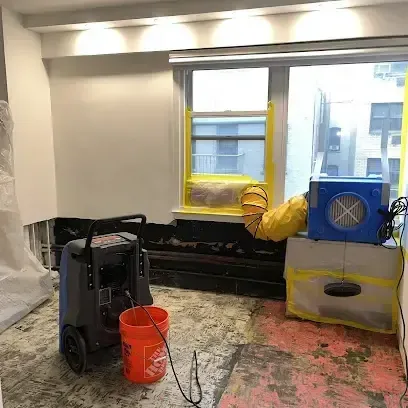
Stop the sourceShut the main valve or the appliance supply, then switch off power to wet rooms.
Lift what you canMove rugs, electronics and paper off wet floors, then slip foil or plastic under furniture legs on damp carpet.
Take pictures firstPhotograph the water, the damaged items and any serial plates before anything is moved or thrown out.
Skip the shop vacuumA household vacuum is not rated for standing water, so leave the extraction to the equipment crew.
A dishwasher hose leak and a flooded lower level need different tools, so each type of water loss gets its own plan.
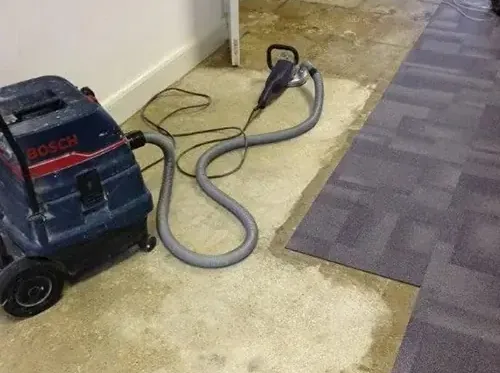 Pump-outWater Extraction and RemovalTruck-mounted and portable extractors pull standing water from carpet, tile and hardwood before it spreads.Open each service plan
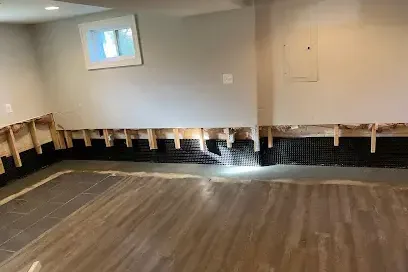 BasementsBasement Flooding CleanupPumps, extraction and flood cuts for lower levels that took on storm water.Open each service plan
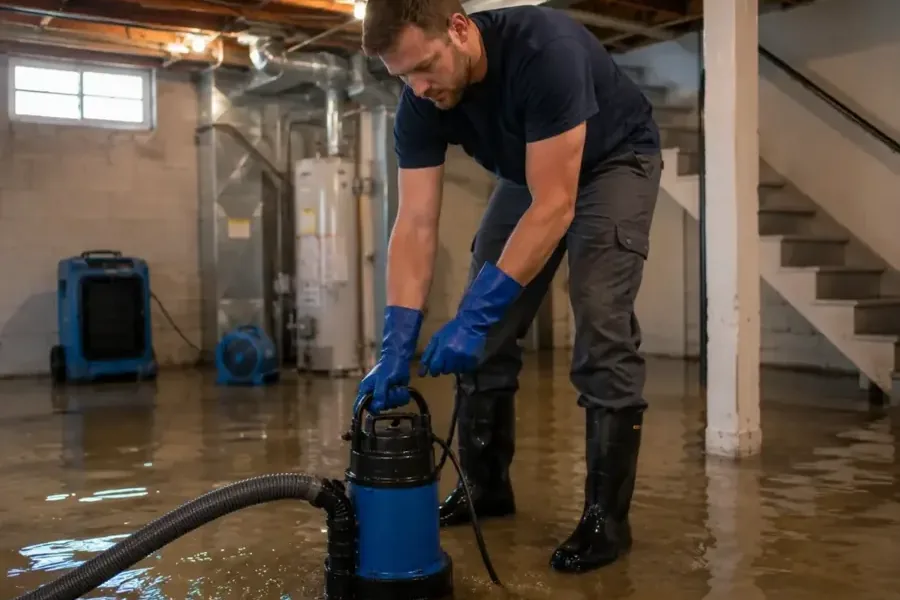 Sump pitSump Pump Failure CleanupWater removal and drying after a sump pump quits during heavy rain.Open each service plan
 Cold snapFrozen Pipe Water DamageExtraction and wall cavity drying once a frozen pipe thaws and leaks.Open each service plan
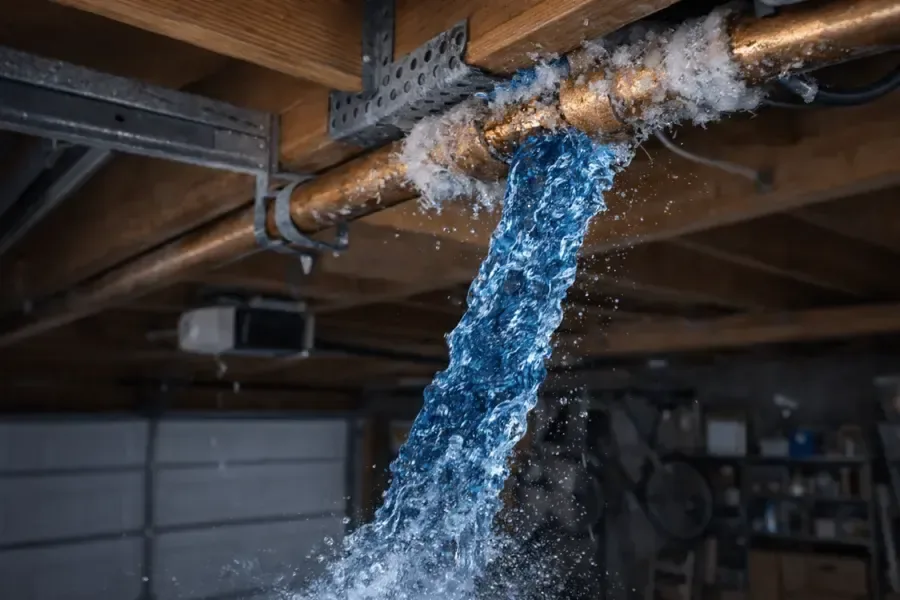 PlumbingBurst Pipe Water DamageExtraction and drying when a pipe splits inside a wall, floor or ceiling.Open each service plan
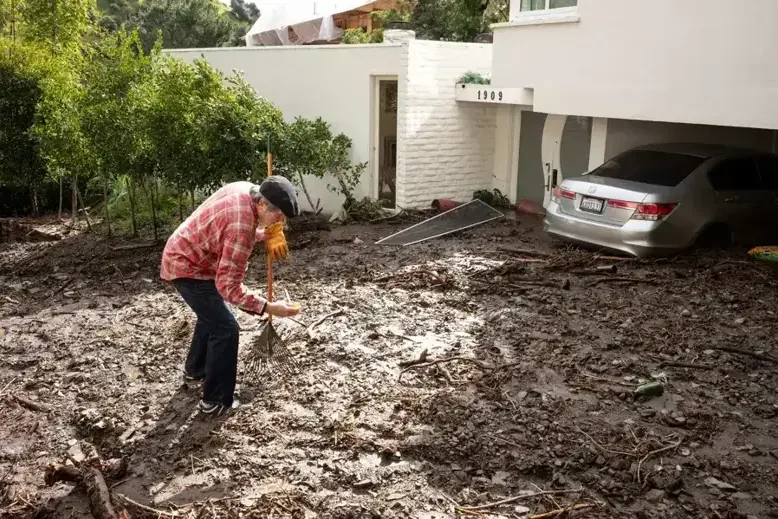 DownpoursFlash Flood CleanupCategory 3 floodwater removal and cleaning after a sudden downpour.Open each service plan
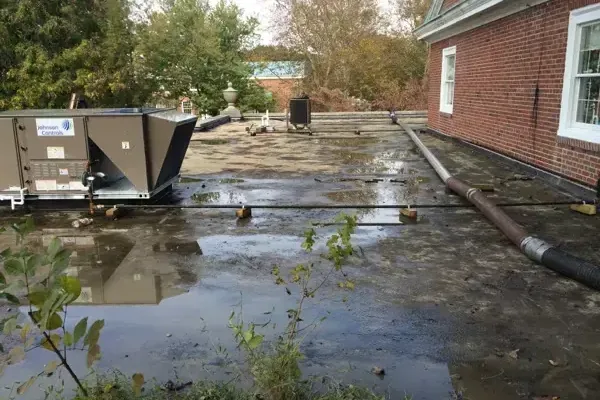 RoofRoof Leak and Ice Dam Water DamageAttic checks, wet insulation removal and ceiling drying after a roof or ice dam leak.Open each service plan
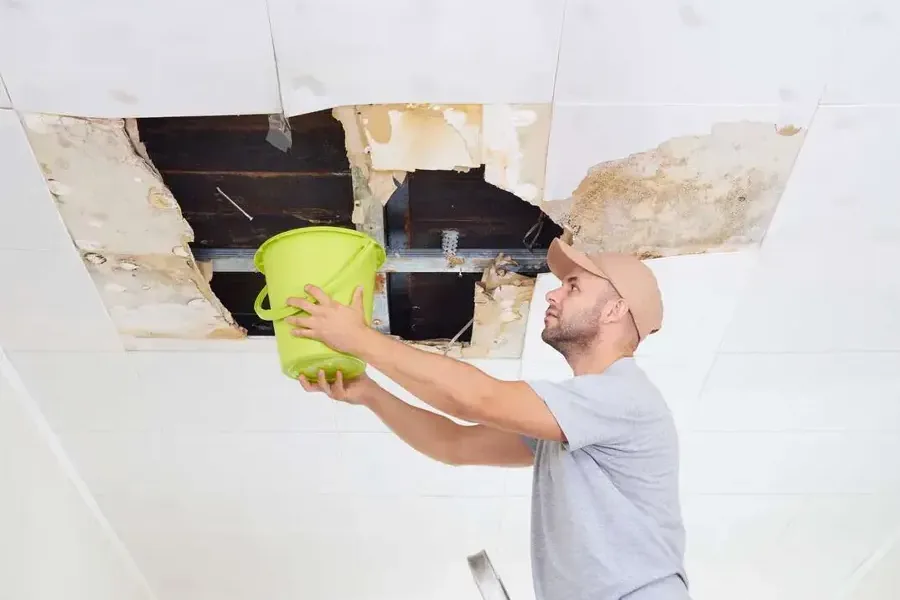 UpstairsCeiling Leak Water DamageControlled drywall removal and joist bay drying where water came down through a ceiling.Open each service plan
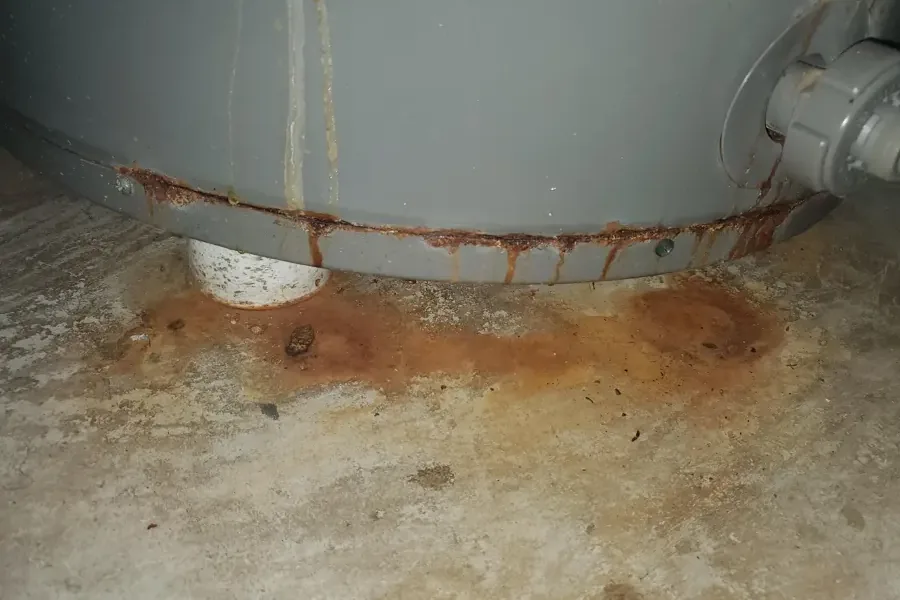 Utility roomWater Heater Leak CleanupExtraction and floor drying around a leaking tank before wet baseboards and walls swell.Open each service plan
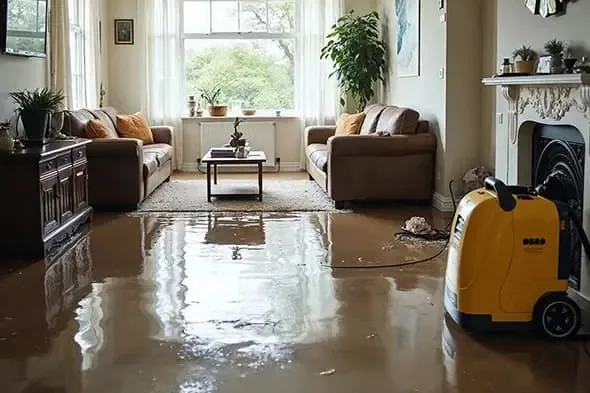 LaundryAppliance and Supply Hose LeaksDishwasher, washer and fridge supply hose leaks dried out from under cabinets and flooring.Open each service plan
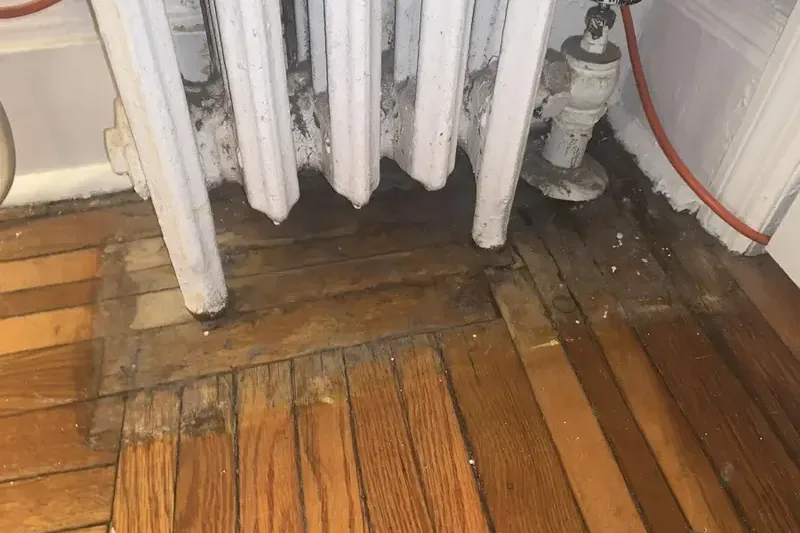 Shared wallsCondo and Townhouse Leak CleanupLeaks that cross shared walls and floors get drying plans that cover every affected unit.Open each service plan
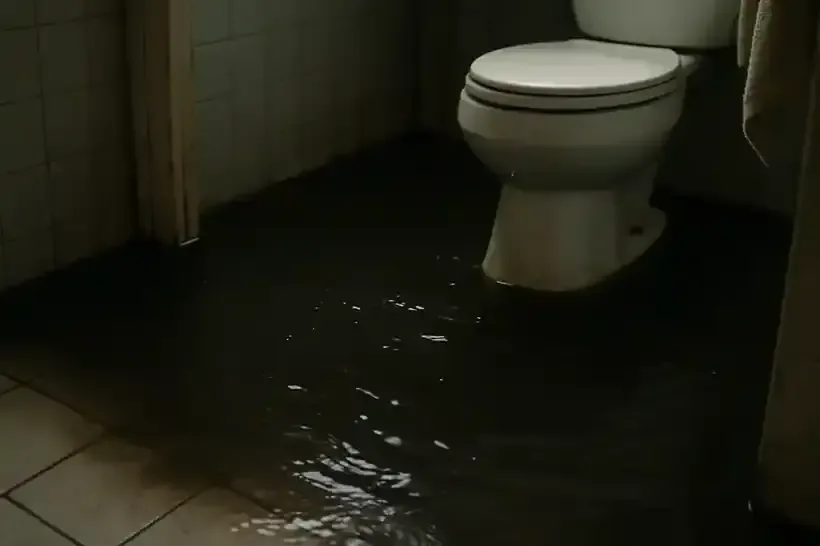 Category 3Sewage Backup CleanupContained removal and sanitizing of sewage backups, with air scrubbers running throughout.Open each service plan
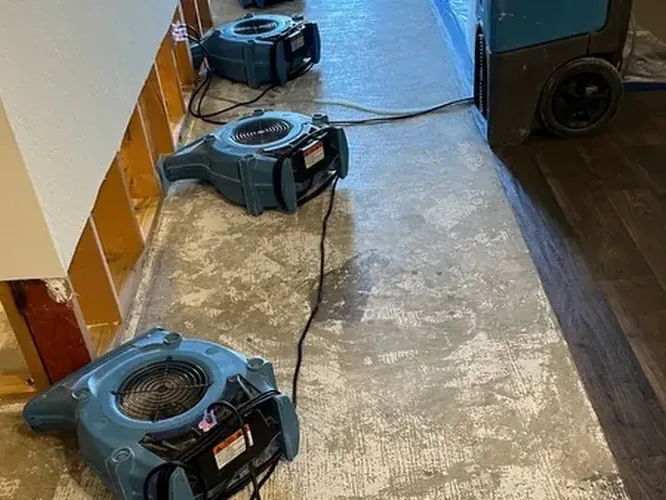 DryingStructural Drying and DehumidificationAir movers and dehumidifiers dry framing, subfloors and walls to target moisture levels.Open each service plan
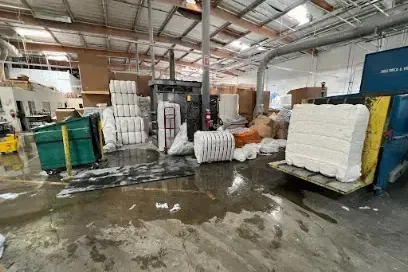 BusinessCommercial Water DamagePhased drying for suites, stores and offices that need to keep operating.Open each service plan
Cold snaps burst pipes in winter, and February is the snowiest month, while summer thunderstorms flood streets, as the July 2023 and July 2026 flash floods showed. The Raritan River also overflowed into the city after Ida in September 2021.
Ask about storm season drying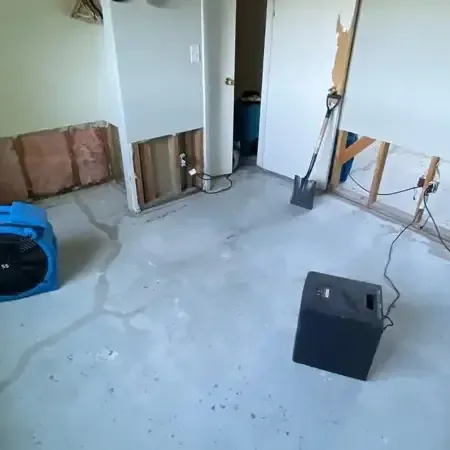
New Brunswick sits on the southern bank of the Raritan River, and in September 2021 it overflowed onto Route 18 and the streets around the campus. The restoration team plans every job around that reality.
Most occupied homes here are rented, about 12,322 of 15,676, so a leak in one unit often reaches the neighbors below and beside it. The mitigation team dries every affected space and keeps notes for each owner.
Meet the crews behind the workEvery job runs on measured moisture, clear notes and equipment sized for the space.
Round-the-clock crews cover the Raritan Valley, so a Sunday night pipe failure gets the same attention as a weekday one.
Shared walls, stacked floors and several owners are routine, so the crew documents each unit's moisture separately.
Moisture maps, dated photos and equipment logs arrive in a form adjusters can follow.
River overflow, summer flash floods and winter freezes all leave different damage, and the drying plan changes with each.
A thermal camera and pin meters trace the water's path, including behind baseboards and into the floor below.
Pumps and extractors take down standing water first, and soaked pad or insulation is bagged and carried out.
Air movers and LGR dehumidifiers go in by room volume, with desiccant units added for stubborn concrete or block.
Daily readings continue until every material reaches its dry standard, and only then does the equipment come out.
Typical jobs run from $1,200 to $12,000, depending on whether the water was clean, how many rooms are wet and how long materials stayed damp. Sewage or river floodwater costs more because affected finishes come out instead of drying in place. The estimate is written after the first moisture readings.
These ranges are typical, not quotes. For a closer planning number, run the water damage cost calculator, and the crew confirms the price after measuring the damage.
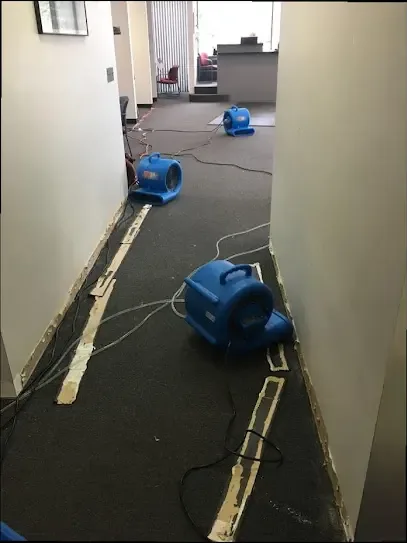
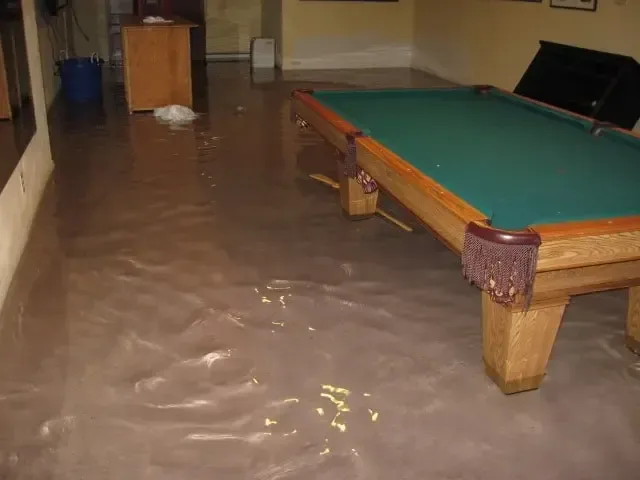
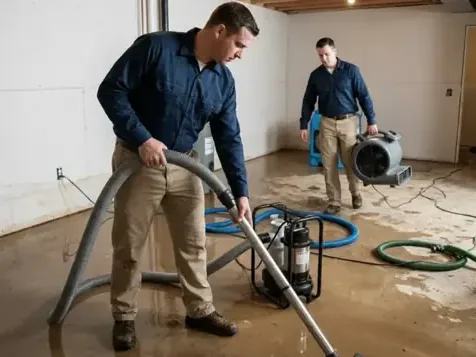
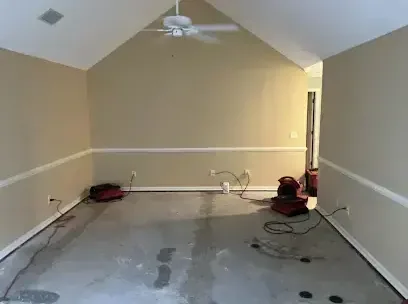
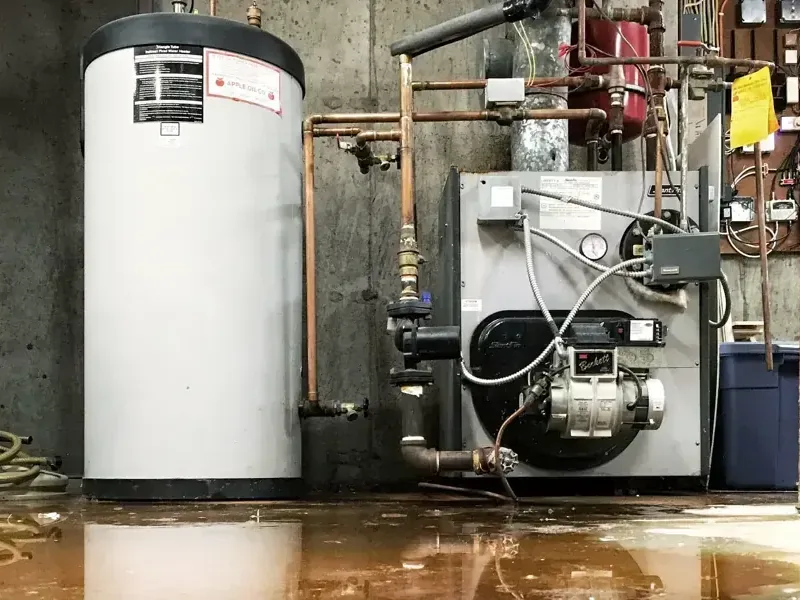
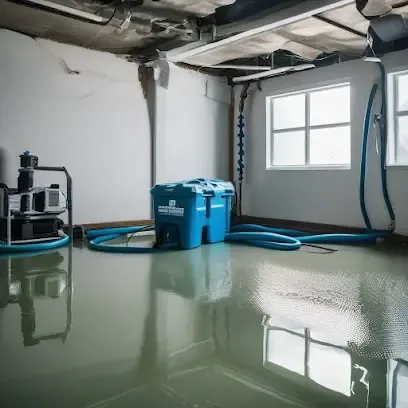
Many homeowner and renter policies cover sudden water, such as a burst pipe or an appliance failure, but slow leaks and flood water are treated differently. Coverage varies, so the policy itself decides.
Tenants and owners alike should photograph belongings before anything moves. The restoration team adds moisture maps, dated photos and equipment logs, which an adjuster or a landlord can read without a site visit.
A supply pipe, tank or appliance hose releases clean water, which can often be dried in place if the crew acts quickly.
Dishwasher, washer or overflow water carries contaminants, so carpet and pad usually come out while hard surfaces are cleaned.
Sewage and river flood water carry pathogens, and contaminated porous materials are removed under containment.
Sewage backup cleanupCrews work all week in neighborhoods from the Fifth Ward to Raritan Gardens, downtown, and along the Route 18 and Route 27 corridors.
Calls from ZIP code 08901 are covered, whether the loss is in a house, an apartment building or an office.
See every neighborhood servedA burst pipe at midnight or a flooded floor on a holiday gets the same equipment and the same documentation as a weekday call.
The Raritan River, sudden summer downpours and a large stock of rented, multi-unit buildings each shape the kinds of water loss crews see here.
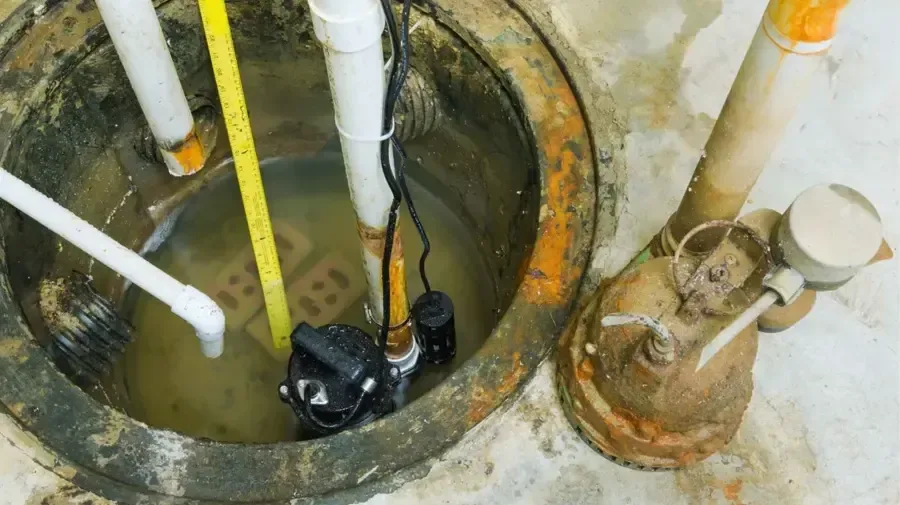
As soon as it is found. Damp drywall and framing can start growing mold after roughly 24 to 48 hours, so extraction and drying equipment go in early.
Water category, affected square footage and drying time drive the total. A clean pipe leak caught early costs far less than sewage or river water that reached finished rooms.
A renter's policy generally covers belongings after sudden water, while the building falls under the landlord's coverage. Tenants should photograph belongings first and tell the landlord about the leak promptly.
The crew dries the affected unit, opens wet ceilings and wall bottoms, and keeps separate moisture notes for each unit involved. Owners and carriers can use those records to work out responsibility.
Yes. River and storm flood water count as Category 3, so porous materials such as carpet, pad and insulation are removed, and hard surfaces are cleaned before drying starts, the approach used for flash flood cleanup.
Crew members work in full protective equipment, contain the area, remove contaminated porous materials and clean with antimicrobial products while air scrubbers run. Drying follows once the space is clean, as laid out under sewage backup cleanup.
Most jobs need about three to five days, though thick materials, humid summer weather or hidden wet cavities can stretch that. Daily readings decide when equipment comes out.
Take wide and close-up photos of the water, its source, damaged furniture, flooring and appliance labels. An adjuster can read those pictures without visiting the property.
Often part of it can. Phased drying, containment barriers and after-hours work let the crew dry a suite without shutting down the whole business.
Calls come from the Fifth Ward, Feaster Park, Lincoln Park, Raritan Gardens, Edgebrook-Westons Mills and downtown, along with campus areas and the main corridors.
Ask a Hub City restoration crew now (888) 471-9821.
Call the restoration team now to get extraction and drying started before the damage spreads.