Rapid local response
Dispatch runs 24/7, and active water is treated as urgent on nights, weekends and holidays.
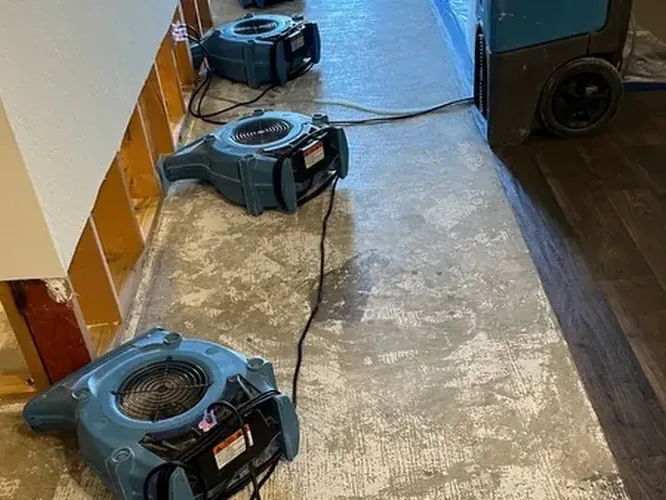
A wet house can look dry within a day while the framing, the subfloor and the block walls stay wet inside. The drying team sizes air movers and dehumidifiers to the evaporation load and keeps them running until the readings say dry.
(888) 471-9821Walls still wet inside? Call the drying teamOpen windows let humid summer air in; keep the heat or AC on.
Turning it off at night stretches the drying time.
Walking on soaked carpet pushes water deeper.
Ask for the daily readings for your claim file.
Independent restoration contractors do the work. This is how a proper job runs, so you know what to expect and what to ask for.
Dispatch runs 24/7, and active water is treated as urgent on nights, weekends and holidays.
The drying team maps moisture first, then dries the structure until the readings say dry.
Daily moisture readings and timestamped photos taken before demolition, the file an adjuster asks for.
Basements, sump pits, frozen pipes in cold snaps and heavy summer downpours are everyday calls here.
Structural drying typically runs $1,000 to $8,000 on its own, depending on the class of loss, the number of rooms, the equipment needed and how many days drying runs.
Ranges are typical, not a quote: the water category, the wet square footage, the material class and how fast drying started move the number most. Run the water damage cost calculator for a closer planning range.
Wet materials and dry references recorded.
Air movers and dehumidifiers sized to the load.
Temperature, humidity and moisture content tracked.
Equipment leaves at 2 to 4 points of dry.
Structural drying is the part of a water damage job that decides whether problems come back. In North Brunswick basements and split-levels the hard part is usually the concrete slab, the block foundation walls and the framing at the bottom of the walls.
The tech who does the walkthrough maps moisture in every wet material and takes a reading from a dry reference of the same material. The water class sets how much equipment the room needs:
Air movers push air across wet surfaces to speed evaporation. LGR dehumidifiers pull that moisture out of the air so it does not land somewhere else. For Class 4 materials and cold basements, desiccant dehumidifiers keep drying where refrigerant units slow down. Floor drying mats and wall cavity injection systems reach water that open air cannot.
The drying team records temperature, humidity and moisture content every day. Those psychrometric logs show the drying is working and tell the team when to add, move or remove equipment. Drying ends when wet materials read within 2 to 4 points of the dry reference, not when they look dry.
Mold can start growing within 24 to 48 hours on wet materials, which is why drying starts the same visit as extraction. The EPA indoor air quality pages explain the link between dampness and indoor air, and Rutgers Cooperative Extension covers home moisture topics for New Jersey.
Coverage runs across ZIP 08902, from Livingston Park, Adams and Black Horse to the homes along Georges Road and around Farrington Lake, plus the Route 1 and Route 130 corridors.
Nearby coverage reaches New Brunswick, Milltown, East Brunswick, South Brunswick, Franklin Township, Highland Park, Manville, Bound Brook.
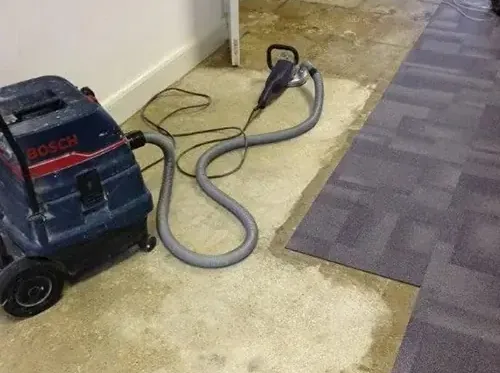 Water Extraction and RemovalStanding water pulled out with truck-mounted units before it wicks into pad, drywall and framing.Read the full rundown
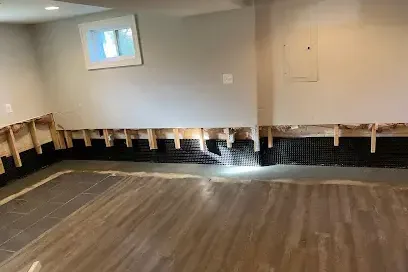 Basement Flooding CleanupFinished and unfinished basements pumped out, carpet and wall bottoms opened, the slab dried.Read the full rundown
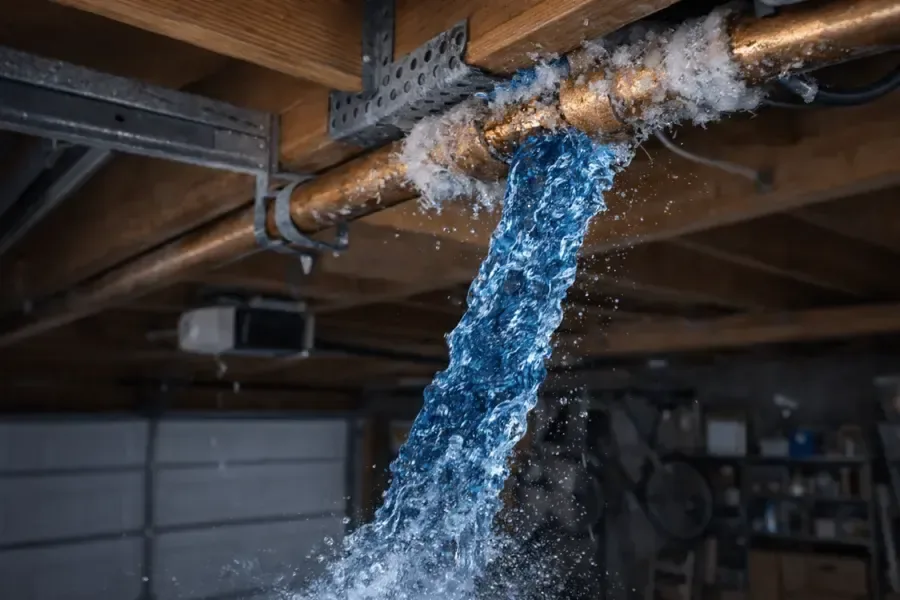 Burst Pipe Water DamagePressurized supply failures inside walls and ceilings, extracted after the shutoff and dried.Read the full rundown
Fans move water into the air, and humid outside air slows drying. Dehumidifiers have to pull the water out of the air for drying to finish.
Usually three to seven days. Class 4 materials such as hardwood, plaster, block and slab take longer.
Air movers run at high speed to push air across wet surfaces. The noise ends when the readings reach the goal.
A reading taken from the same material in an unaffected part of the house. Drying ends when wet areas read within 2 to 4 points of it.
LGR units use refrigeration and work well in warm rooms. Desiccant units use a drying material and keep working in cold basements and on dense materials.
When the water loss is covered, drying is usually part of the claim, and the daily logs support it. Check with your own insurer.
Still reading wet after a few days? Call (888) 471-9821.
The drying team sets equipment to the load and logs readings every day until the structure is dry, 24/7.