Rapid local response
Dispatch runs 24/7, and active water is treated as urgent on nights, weekends and holidays.
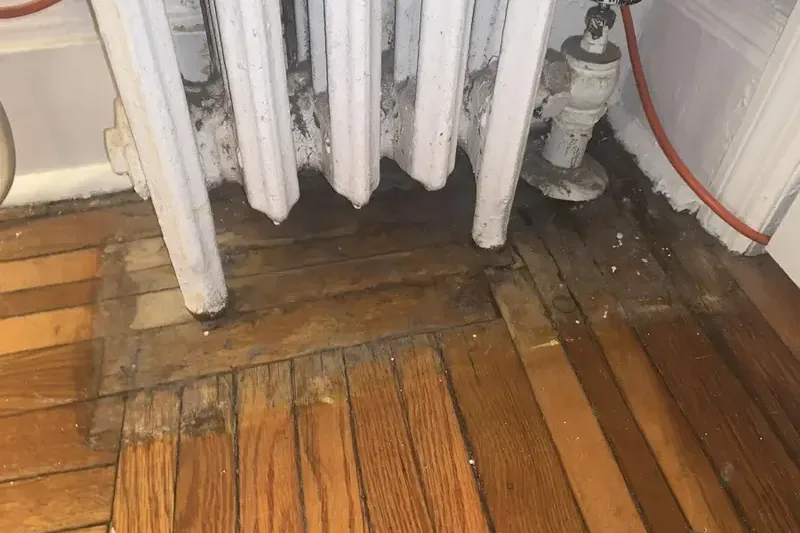
When water crosses a shared wall, floor or ceiling, one leak becomes a problem for several owners at once. The restoration team dries each unit, opens the cavities between them and keeps separate records for every owner and association.
(888) 471-9821Protect every unit in the buildingTell the owner or manager so shared shutoffs can be closed.
Alert adjoining units so their belongings and floors are protected.
Close the fixture or appliance valve if it is in your own unit.
Capture the wet walls, ceilings and damaged items in your own space.
Independent restoration contractors do the work. This is how a proper job runs, so you know what to expect and what to ask for.
Dispatch runs 24/7, and active water is treated as urgent on nights, weekends and holidays.
The drying team maps moisture first, then dries the structure until the readings say dry.
Daily moisture readings and timestamped photos taken before demolition, the file an adjuster asks for.
Basements, sump pits, frozen pipes in cold snaps and heavy summer downpours are everyday calls here.
One room in one unit usually costs $1,500 to $3,000 to dry. Two affected units run $3,000 to $6,000, and three units or a drain backup can reach $10,000 or more.
Ranges are typical, not a quote: the water category, the wet square footage, the material class and how fast drying started move the number most. Run the water damage cost calculator for a closer planning range.
Shutoffs are closed and loose water is extracted in each unit.
Shared cavities are opened where meters show moisture.
Air movers and dehumidifiers run in every affected home.
Each owner receives separate readings and photos.
About 1,176 homes in the city are single-family attached, and thousands more sit in larger buildings, so shared walls are part of everyday life. A leak that starts in one unit can reach the next through framing, pipe chases and floors.
Water follows the easiest path, and in attached homes that path is often through the framing between neighbors.
The first call should go to the owner or manager, since shutoffs may be shared.
The drying team measures each home, opens only what the readings require and writes a separate record for every owner.
Coordinating access with neighbors and managers is part of the job.
Shared walls dry from both sides when possible, using air movers, LGR dehumidifiers and small openings. Sewage in a shared drain is a different problem, handled under sewage backup cleanup, and a single ceiling leak follows ceiling leak water damage steps.
Shared plumbing and common walls often fall under association rules. Telling the manager or board right away helps shutoffs, access and insurance filings move together.
The crew works in attached homes, condo buildings and apartment towers across the city, from downtown to Edgebrook-Westons Mills and Lincoln Park, with each owner's records kept separate.
The same service nearby: condo and townhouse leak cleanup in North Brunswick, Highland Park, Milltown.
Water damage restoration in New Brunswick · every town covered
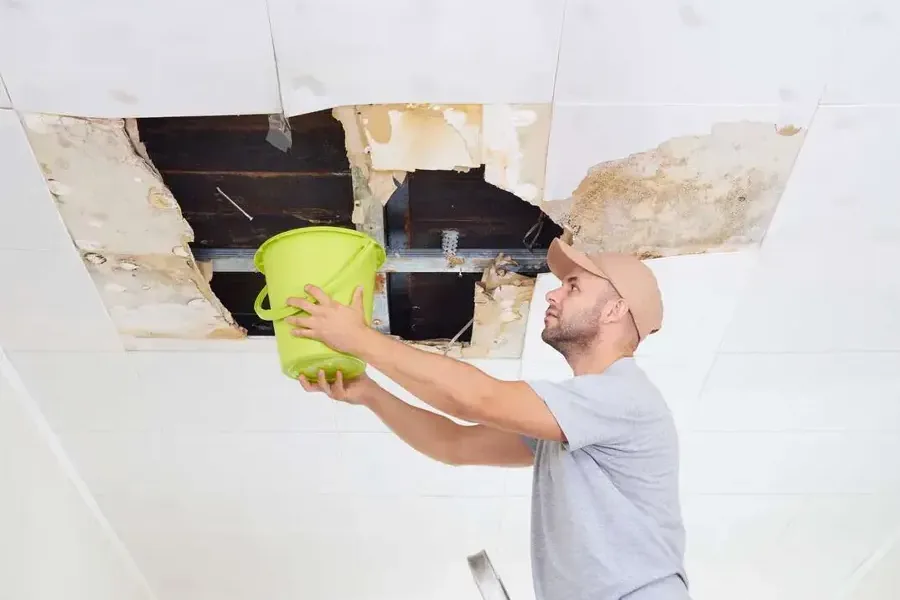 Ceiling Leak Water Damage in New BrunswickBathroom, supply and drain leaks from the floor above, with the drywall opened safely.Read the full rundown
Condo and Townhouse Leak Cleanup in North BrunswickOne leak spreading through shared walls and stacked units, mapped unit by unit.Read the full rundown
Water damage restoration in New BrunswickOpen the town page
The unit owner or tenant should alert the manager or association and the neighbors affected, since shutoffs and access are often shared.
Not always. Wet framing in a shared wall can feed moisture into the neighbor's side, so the crew checks every adjoining space with meters.
It depends on the governing documents and on where the leak started. Separate records for each unit make it easier for carriers to divide responsibility.
They can, which is why early communication matters. Without access, moisture in a shared wall may keep feeding the damage on the other side.
Plan for three to five days, with extra time when thick floors, shared cavities or a delayed start slow the moisture release.
Leak crossing into a neighbor's unit? (888) 471-9821.
The crew coordinates access, extracts water and opens shared cavities as soon as it reaches the building.