Rapid local response
Dispatch runs 24/7, and active water is treated as urgent on nights, weekends and holidays.
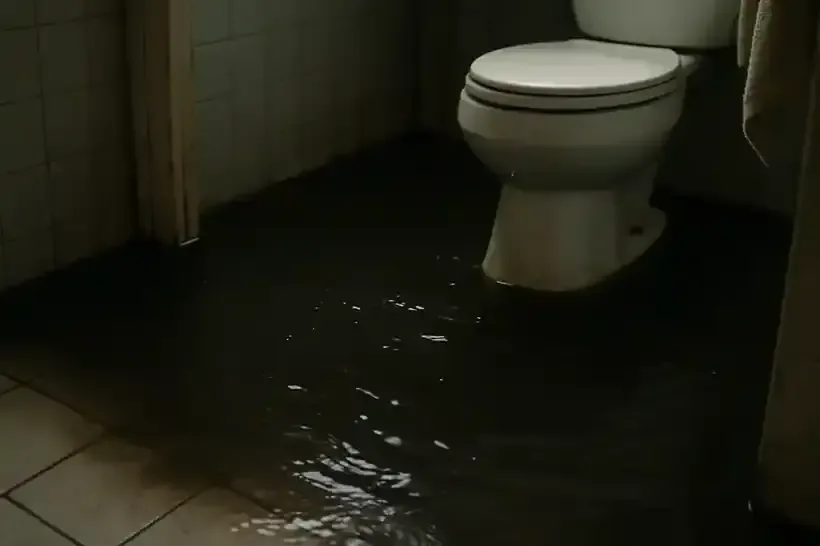
Sewage is contaminated water that needs containment, protective gear and cleaning, not a mop. The crew removes it, takes out porous materials it touched and sanitizes the space.
(888) 471-9821Contain the sewage backup nowDo not flush, run the washer or use sinks while the backup is active.
Keep family members and pets away from the affected rooms.
Skip mops and vacuums, since they spread contamination.
Photograph the backup and affected items from a safe distance.
Independent restoration contractors do the work. This is how a proper job runs, so you know what to expect and what to ask for.
Dispatch runs 24/7, and active water is treated as urgent on nights, weekends and holidays.
The drying team maps moisture first, then dries the structure until the readings say dry.
Daily moisture readings and timestamped photos taken before demolition, the file an adjuster asks for.
Basements, sump pits, frozen pipes in cold snaps and heavy summer downpours are everyday calls here.
A sewage backup on an unfinished basement floor usually costs $3,000 to $5,000. A finished room runs $5,000 to $9,000, and a large or deep backup can reach $15,000 or more.
Ranges are typical, not a quote: the water category, the wet square footage, the material class and how fast drying started move the number most. Run the water damage cost calculator for a closer planning range.
The area is sealed and protective gear goes on.
Sewage and contaminated porous materials are extracted and bagged.
Hard surfaces are cleaned and treated with antimicrobial products.
Scrubbers and dehumidifiers run until final readings are dry.
Wastewater from the city flows to the Middlesex County Utilities Authority system and its Edward J. Patten Water Reclamation Center in Sayreville. When a backup reaches a home, though, the cleanup is a local job with strict contamination steps.
Sewage carries bacteria and viruses, so anything porous that it touched cannot be cleaned reliably.
Residents should stay out of the affected rooms until cleanup is complete.
The source may be a clogged drain inside the home or a problem farther down the pipe. The city keeps a Water and Sewer office at City Hall, a sensible contact when a street problem seems to be behind the backup.
Once the contaminated materials are out and the surfaces are clean, air movers and LGR dehumidifiers dry the structure. Floodwater that carries sewage follows the same approach as flash flood cleanup, and wider spread is handled through structural drying.
Avoid flushing toilets or running sinks and washers while a backup is active. More water down the drain only adds to what is already coming up.
Sewage backups are handled across the Fifth Ward, Lincoln Park, Feaster Park and Raritan Gardens, and in apartment buildings and offices downtown, with the same containment steps in every case.
The same service nearby: sewage backup cleanup in North Brunswick, Highland Park, Milltown.
Water damage restoration in New Brunswick · every town covered
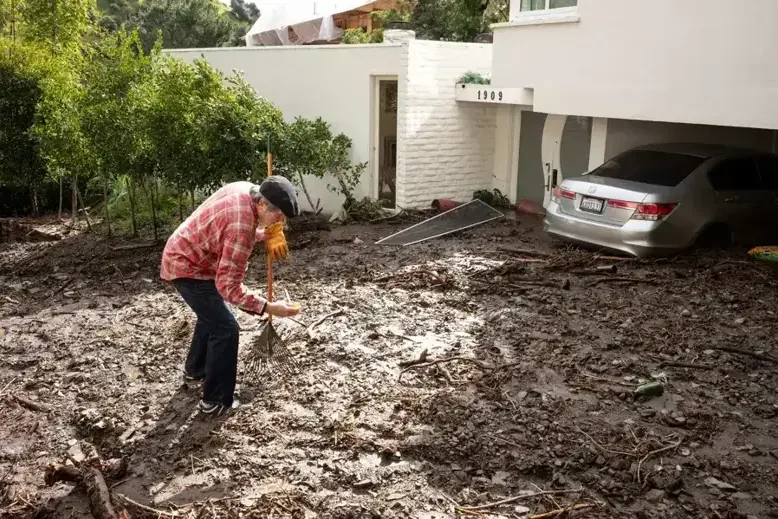 Flash Flood Cleanup in New BrunswickRising water from cloudbursts and tropical remnants, handled as contaminated water from the start.Read the full rundown
Sewage Backup Cleanup in North BrunswickFloor drain and toilet backups treated as Category 3, porous materials out, surfaces disinfected.Read the full rundown
Water damage restoration in New BrunswickOpen the town page
Yes. It can carry bacteria, viruses and parasites, so skin contact, splashing and breathing aerosols from drying material should be avoided until trained crew members take over.
Carpet, pad, insulation, porous drywall and soaked upholstery that touched the water are removed, because they cannot be sanitized reliably. Hard surfaces are cleaned instead.
Standard policies often exclude it unless a sewer or drain backup endorsement was added. Check the policy and photograph the damage before any cleanup begins.
No. Contamination keeps spreading while it sits, so containment and removal start right away while a plumber clears the blockage and finds the cause.
Yes. Once the source material is out, cleaning, antimicrobial treatment and air scrubbers remove the smell, and drying keeps it from returning.
Cleaning and drying usually take three to five days, though rebuilding removed carpet and drywall takes longer.
Sewage coming up through a drain? (888) 471-9821.
The crew arrives with containment supplies, protective equipment and air scrubbers and starts sealing the area.