Rapid local response
Dispatch runs 24/7, and active water is treated as urgent on nights, weekends and holidays.
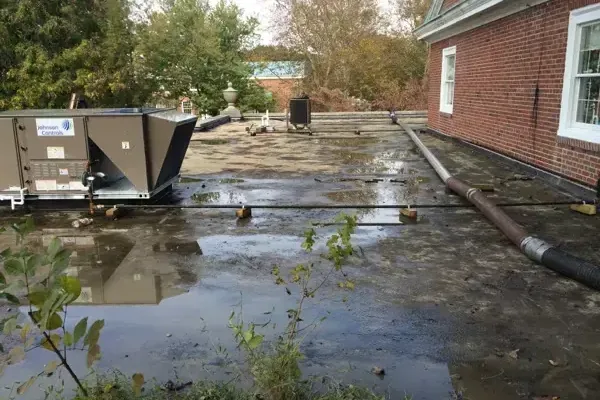
Wind-driven rain and winter ice dams push water under shingles and into the attic, where insulation soaks it up long before a stain shows. The local restoration pros pull wet insulation, dry the ceiling and walls and document it all.
(888) 471-9821Roof leaking into the house? Call nowPut buckets down and move furniture away from the leak.
From a safe spot, a small hole lets trapped water drain into a bucket.
Leave ice and shingles to a roofer, especially in a storm.
Record stains, the attic and the roof edge for the claim.
Independent restoration contractors do the work. This is how a proper job runs, so you know what to expect and what to ask for.
Dispatch runs 24/7, and active water is treated as urgent on nights, weekends and holidays.
The drying team maps moisture first, then dries the structure until the readings say dry.
Daily moisture readings and timestamped photos taken before demolition, the file an adjuster asks for.
Basements, sump pits, frozen pipes in cold snaps and heavy summer downpours are everyday calls here.
Roof leak and ice dam water damage typically runs $1,000 to $8,000 inside the home, depending on how much insulation got wet, how many ceilings and walls are affected and how fast drying started. Roof repair is a separate cost.
Ranges are typical, not a quote: the water category, the wet square footage, the material class and how fast drying started move the number most. Run the water damage cost calculator for a closer planning range.
Find wet insulation, sheathing and framing.
Wet insulation and sagging ceiling drywall come out.
Air movers and dehumidifiers on the attic and rooms.
Photos and readings for the roof and interior claim.
Roof leaks in North Brunswick come in two seasons. Nor'easters and summer thunderstorms drive rain sideways under shingles, flashing and vents, and winter brings ice dams, where snow melts on a warm roof and refreezes at the cold eaves.
Heat escaping from the living space melts snow on the upper roof. The water runs down to the eaves, freezes again and builds a ridge of ice. More melt water backs up behind that ridge, works under the shingles and drips into the attic and the tops of exterior walls.
Fiberglass and cellulose insulation hold water against the ceiling drywall and lose their insulating value once soaked. The mitigation team checks the attic before the rooms below, removes wet insulation and dries the sheathing and the top plates.
Ceilings that sag or hold water come down in a controlled way, with the area cleared and the water drained first. Ceilings that stay flat often dry in place with air movers and dehumidification, while the walls get small openings at the top or bottom to dry the cavities.
The roofer fixes the shingles, flashing and ventilation; the restoration crew handles the water inside. Ready.gov winter weather tips and the National Weather Service winter safety page cover storm preparation.
Coverage runs across ZIP 08902, from Livingston Park, Adams and Black Horse to the homes along Georges Road and around Farrington Lake, plus the Route 1 and Route 130 corridors.
Nearby coverage reaches New Brunswick, Milltown, East Brunswick, South Brunswick, Franklin Township, Highland Park, Manville, Bound Brook.
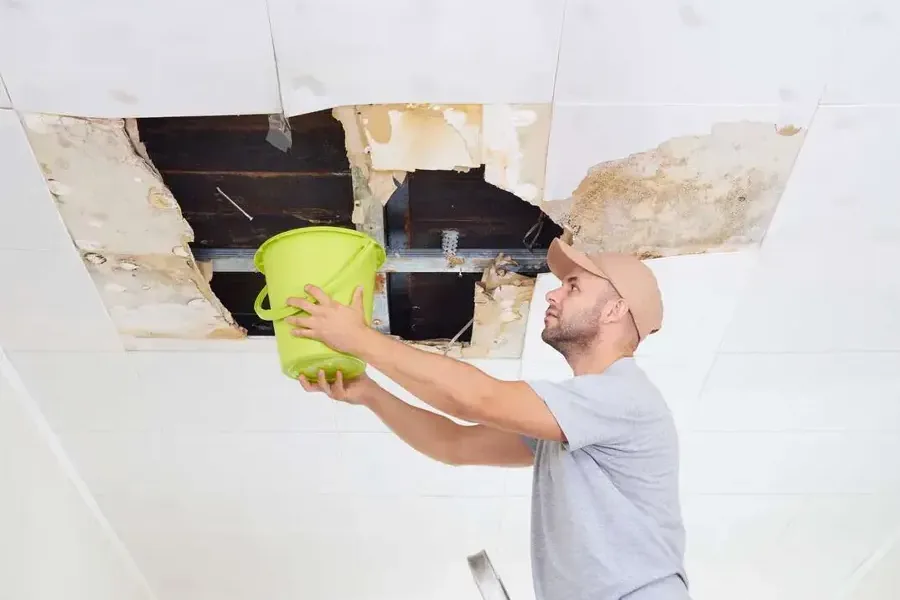 Ceiling Leak Water DamageBathroom, supply and drain leaks from the floor above, with the drywall opened safely.Read the full rundown
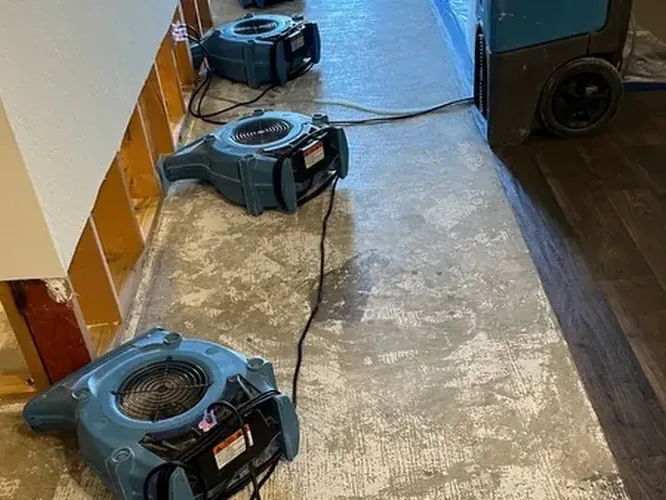 Structural Drying and DehumidificationFraming, subfloor, block walls and slab dried to within 2 to 4 points of a dry reference.Read the full rundown
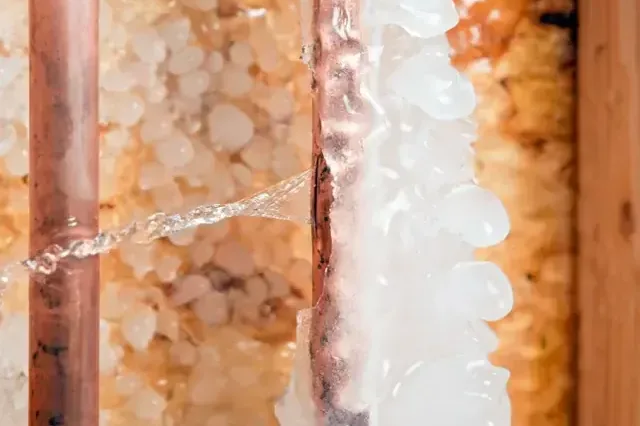 Frozen Pipe Water DamagePipes that split in a cold snap, traced through garage ceilings and outside walls and dried.Read the full rundown
Heat escaping into the attic melts snow on the upper roof, and the water refreezes at the colder eaves. Melt water then backs up under the shingles.
Usually yes. Soaked insulation loses its insulating value and holds water against the ceiling.
Often, if it stays flat and firm. Ceilings that sag or stay wet come down.
Many policies cover the interior water damage from an ice dam, though not always the roof itself. Check with your own insurer.
A roofer handles shingles, flashing and ventilation. The restoration crew dries the attic and rooms and documents the damage.
A roof leak starts outside, at the roof or flashing. A ceiling leak usually starts inside, at a bathroom or pipe on the floor above.
Water still dripping from above? Call (888) 471-9821.
The local restoration pros pull wet insulation, dry ceilings and walls and photograph everything, 24/7.