Rapid local response
Dispatch runs 24/7, and active water is treated as urgent on nights, weekends and holidays.
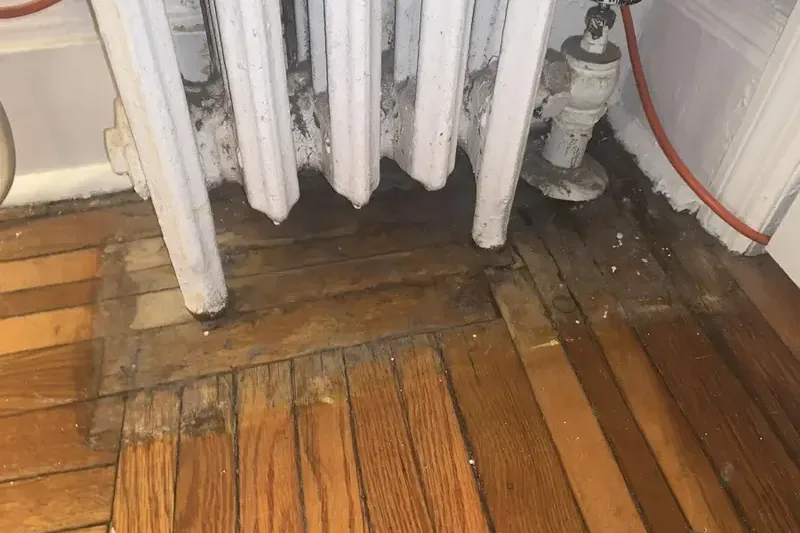
In a townhouse or condo, one failed pipe or drain can wet your home and the neighbor's before anyone finds the source. The restoration crew traces the water unit by unit, dries each affected space and keeps a separate record for every owner.
(888) 471-9821Leak from next door or upstairs? Call nowClose your own shutoff if the leak is inside your home.
Knock on the units above, below and beside yours.
Report the leak to the property manager right away.
Record the damage in every unit you can reach.
Independent restoration contractors do the work. This is how a proper job runs, so you know what to expect and what to ask for.
Dispatch runs 24/7, and active water is treated as urgent on nights, weekends and holidays.
The drying team maps moisture first, then dries the structure until the readings say dry.
Daily moisture readings and timestamped photos taken before demolition, the file an adjuster asks for.
Basements, sump pits, frozen pipes in cold snaps and heavy summer downpours are everyday calls here.
Condo and townhouse leak cleanup typically runs $1,500 to $10,000 per affected unit, depending on the water category, how many walls and ceilings got wet and how fast drying started.
Ranges are typical, not a quote: the water category, the wet square footage, the material class and how fast drying started move the number most. Run the water damage cost calculator for a closer planning range.
Thermal imaging and meters across every unit.
Water out, affected areas closed off.
Equipment set in every wet space.
Readings and photos for each policy.
North Brunswick has a large stock of townhouse, condo and apartment communities near Route 1 and Route 130. Units share walls, plumbing stacks and sometimes floors and ceilings, so water from one home rarely stays in it.
The tech who does the walkthrough checks every unit that touches the source: above, below and on both sides.
The association master policy and each owner's own policy often split the loss, usually along the lines in the governing documents. Many owners carry an HO-6 policy for the interior of the unit. Each policy reads differently, so check yours and talk with the association manager early.
Clear records help every party: a moisture map that shows where the water started, daily readings for each unit and photos before any demolition.
The drying team sets equipment in each affected unit and opens shared wall cavities from whichever side causes the least disruption. Access matters, so neighbors and the association need to know when crews come and go.
Many units have their own shutoff valve, often in a utility closet. EPA WaterSense lists simple leak checks, and the New Jersey Department of Community Affairs oversees housing codes and common-interest community rules in the state.
Coverage runs across ZIP 08902, from Livingston Park, Adams and Black Horse to the homes along Georges Road and around Farrington Lake, plus the Route 1 and Route 130 corridors.
Nearby coverage reaches New Brunswick, Milltown, East Brunswick, South Brunswick, Franklin Township, Highland Park, Manville, Bound Brook.
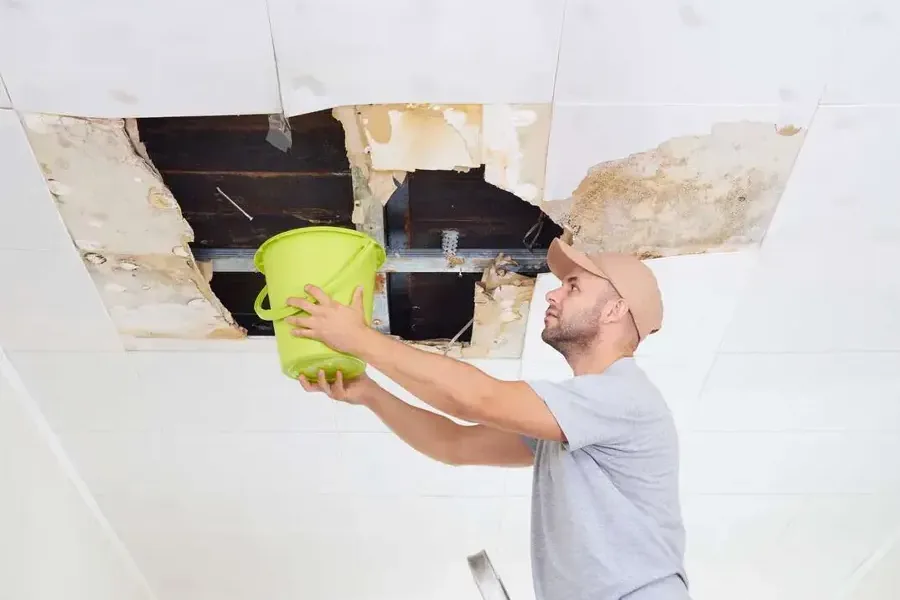 Ceiling Leak Water DamageBathroom, supply and drain leaks from the floor above, with the drywall opened safely.Read the full rundown
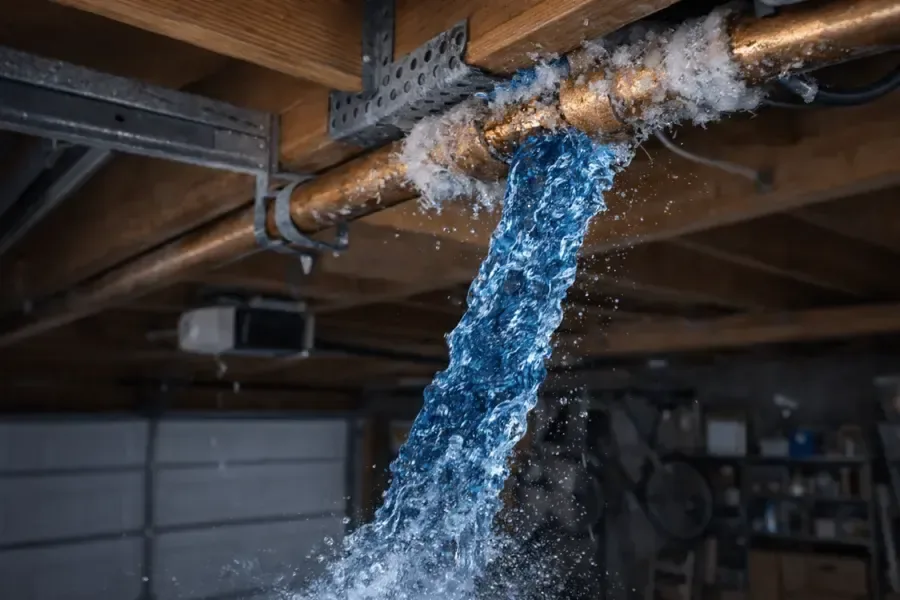 Burst Pipe Water DamagePressurized supply failures inside walls and ceilings, extracted after the shutoff and dried.Read the full rundown
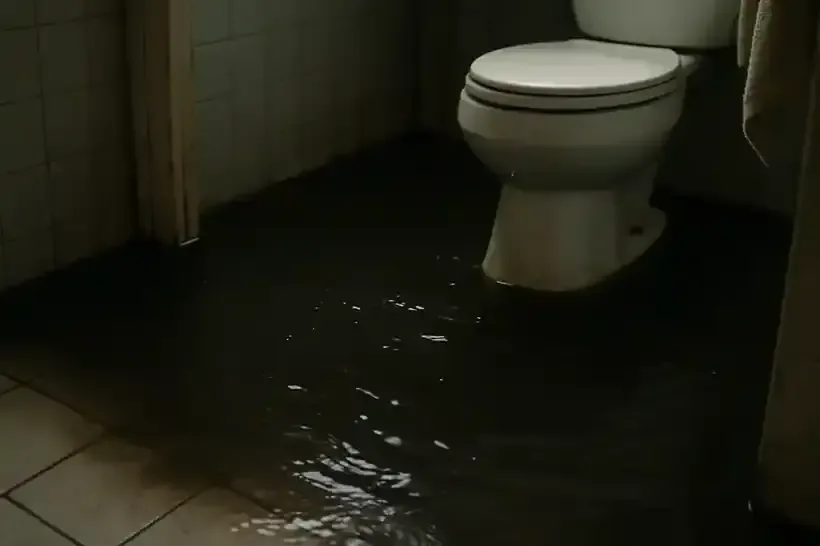 Sewage Backup CleanupFloor drain and toilet backups treated as Category 3, porous materials out, surfaces disinfected.Read the full rundown
It depends on the association documents and each policy. The master policy, the source unit's policy and your own HO-6 can all play a part, so check with your own insurer.
Only with the owner's or the association's permission. The property manager usually arranges access.
Water follows shared wall cavities, joists and drain stacks, so it can surface far from the source.
Usually three to five days for walls and ceilings, longer when a slab or several units are involved.
A moisture map showing the source, daily readings for each unit and photos before demolition.
Yes. Sewage from a shared drain is Category 3, and porous materials it touched come out.
Water crossing into the next unit? Call (888) 471-9821.
The restoration crew traces the water unit by unit and dries every affected home, 24/7.