Crews on call at night
The restoration team treats an active leak or a flooded lower level as urgent at any hour.
Water damage restoration in Highland Park, NJ around the clock. The restoration team pumps out flooded lower levels, pulls standing water, dries wet structure with logged readings and keeps the records an insurance claim needs.
(888) 471-9821Wet floors or a flooded lower level? Call now
Stop the sourceShut the main valve if a pipe is leaking. For a backup, stop using sinks, tubs and toilets until the drains are checked.
Mind the powerStay out of standing water that could reach outlets, a furnace or a panel, and cut power only from a dry spot.
Photograph the damageCapture the water mark, the source and wet belongings before anything gets lifted.
Lift what you canRaise boxes, rugs and cords off wet floors, then call so extraction starts before water soaks deeper.
Water and sewage only, from the first pump-out to the final moisture reading, in older houses, apartment buildings and everything between.
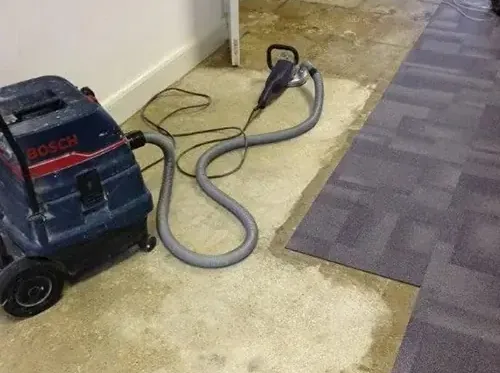 Pump-outWater Extraction and RemovalTruck-mounted extraction lifts standing water out before it sinks into carpet pad, drywall and framing.See what each job involves
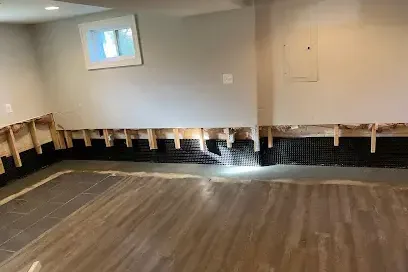 BasementsBasement Flooding CleanupPump-outs, soaked carpet and drywall removal, and slab drying for lower levels that took on water.See what each job involves
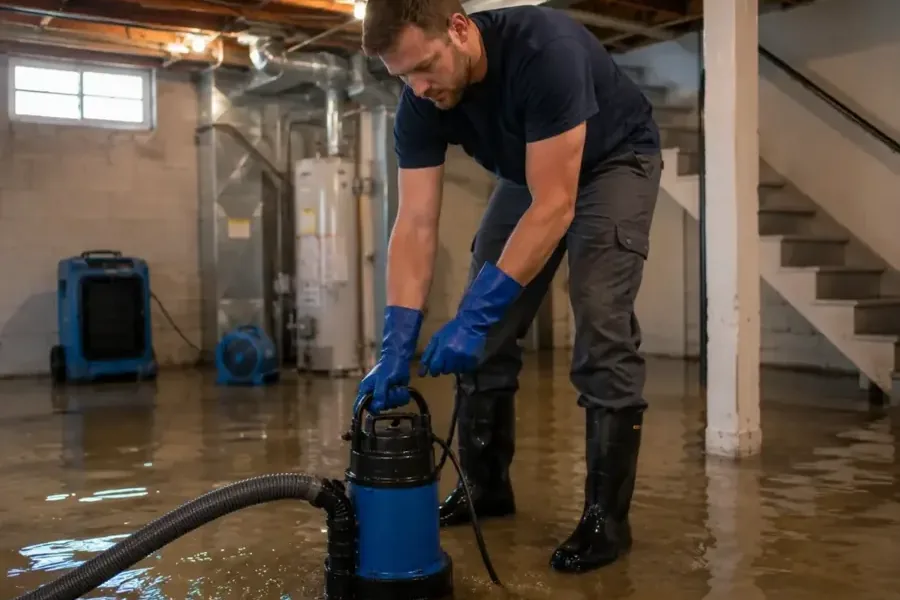 Sump pitSump Pump Failure CleanupDead pumps, jammed floats and storm power cuts that let the pit overflow into the room.See what each job involves
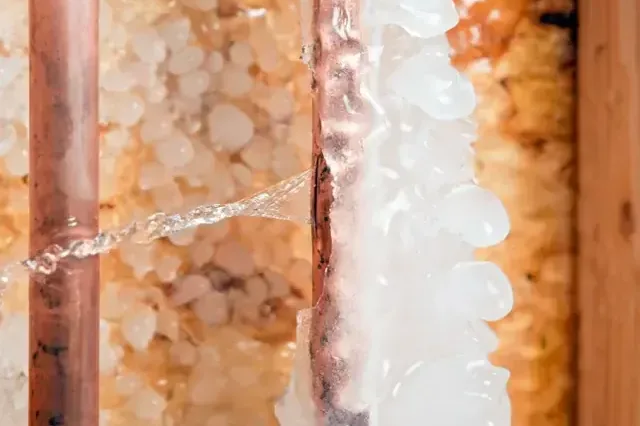 Cold snapFrozen Pipe Water DamageSplit pipes found after a freeze, shut off, traced and dried out of walls and ceilings.See what each job involves
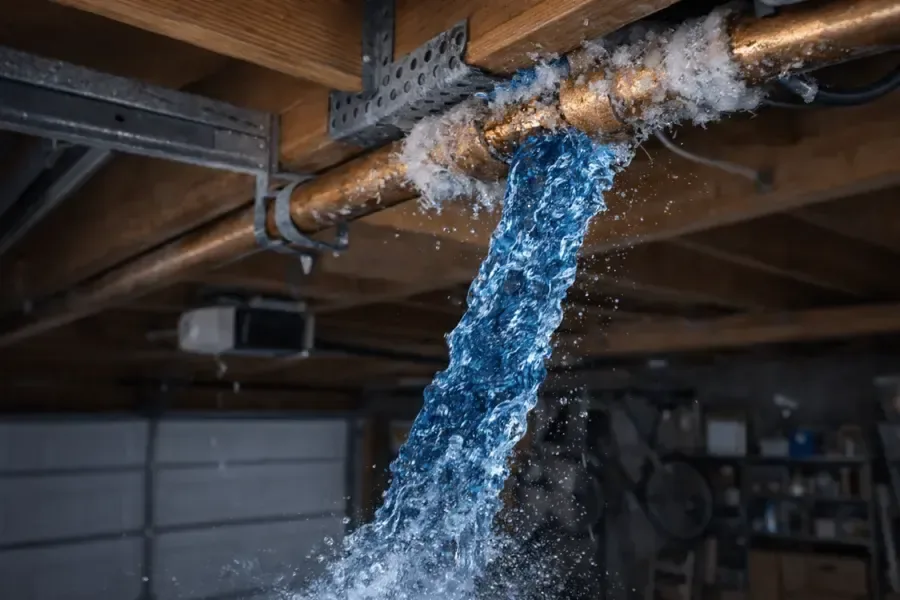 PlumbingBurst Pipe Water DamageBurst supply pipes handled from the shutoff onward, with wet drywall and flooring opened and dried.See what each job involves
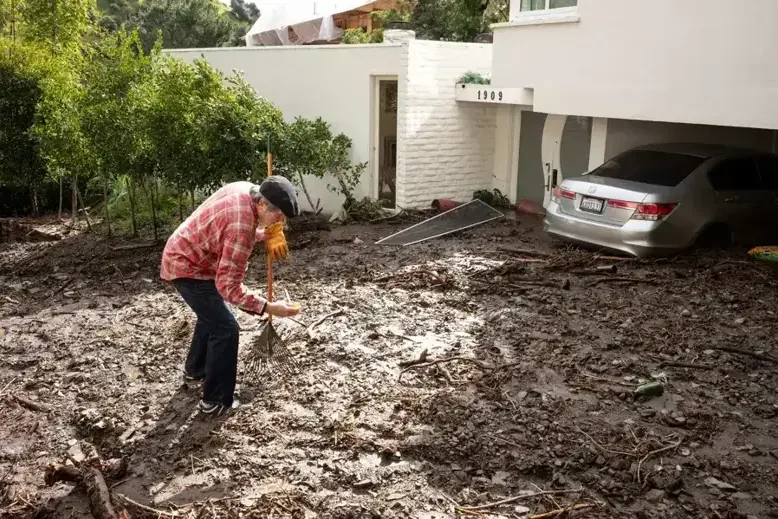 DownpoursFlash Flood CleanupContaminated flood water pumped out and cleaned up as Category 3 from the very start.See what each job involves
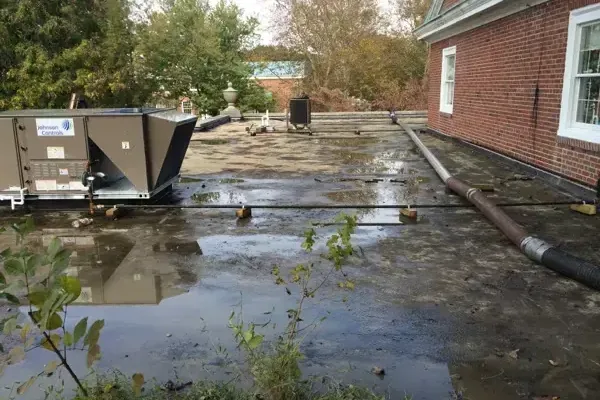 RoofRoof Leak and Ice Dam Water DamageWind-driven rain and ice dams that soak attic insulation, ceilings and the walls below.See what each job involves
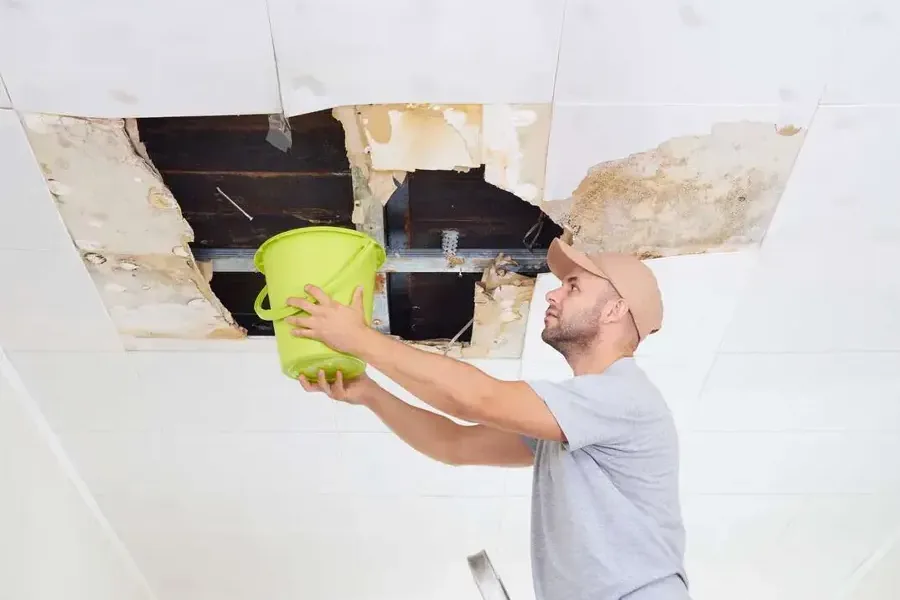 UpstairsCeiling Leak Water DamageStains and sagging drywall traced to the source, with wet joist bays opened and dried.See what each job involves
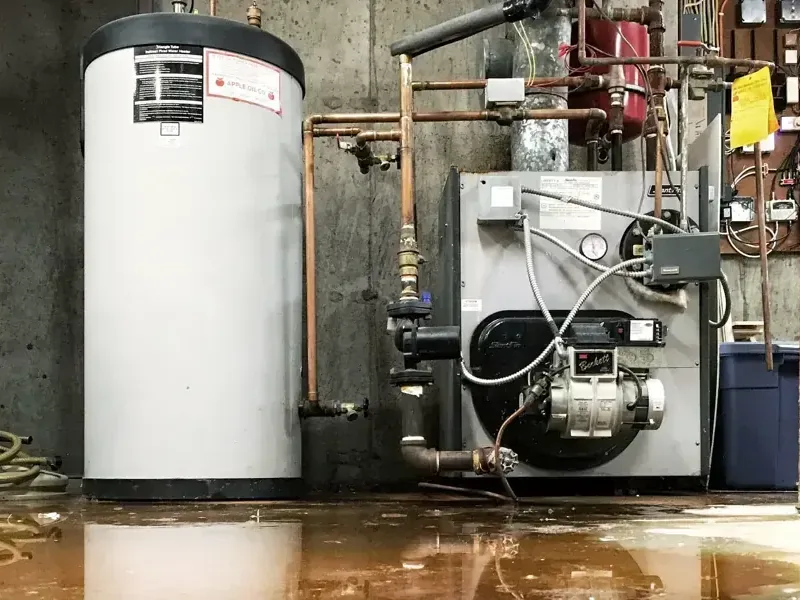
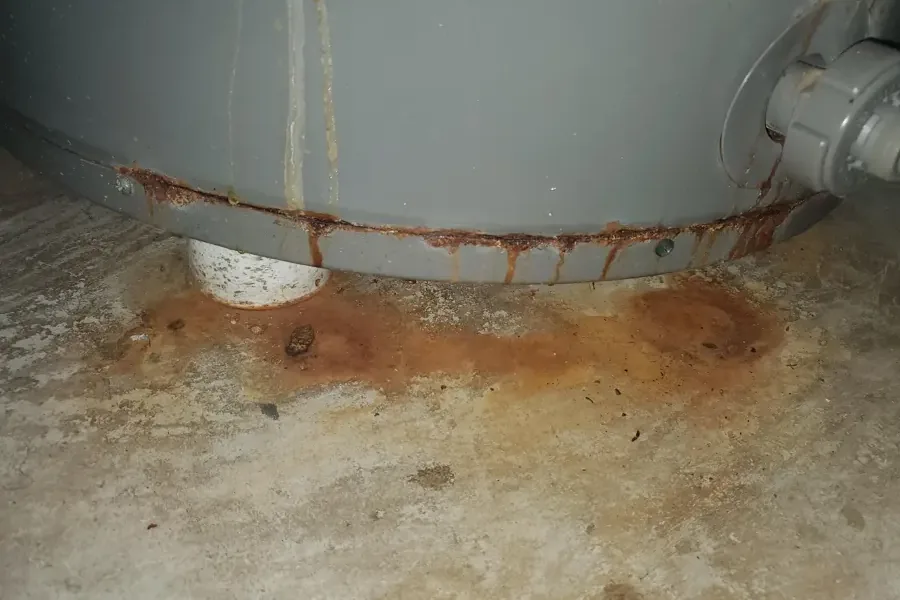 Utility roomWater Heater Leak CleanupFailed tanks and fittings dried out before baseboards, wall bottoms and stored boxes soak.See what each job involves
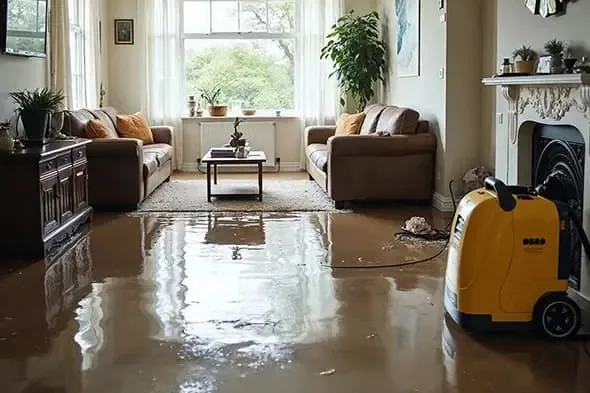 LaundryAppliance and Supply Hose LeaksWasher hoses, dishwasher drains and refrigerator or toilet supplies that leak under floors and cabinets.See what each job involves
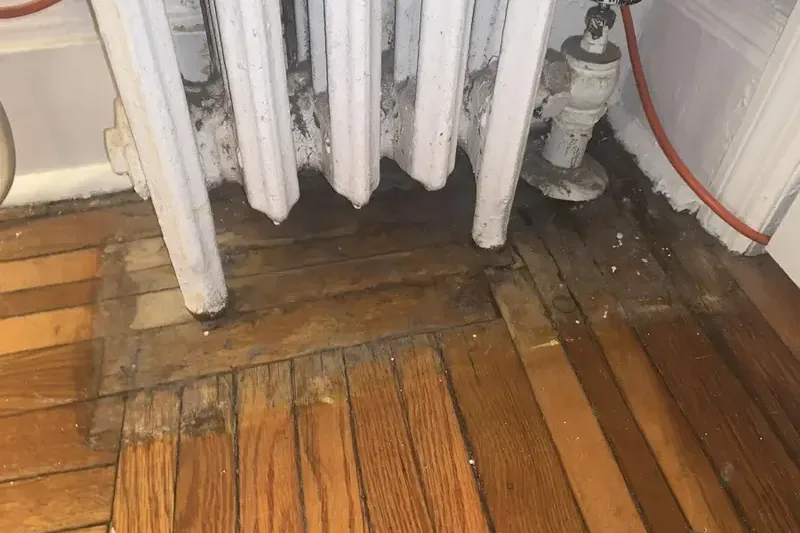 Shared wallsCondo and Townhouse Leak CleanupShared-wall leaks mapped unit by unit, with ceilings below dried and separate records kept.See what each job involves
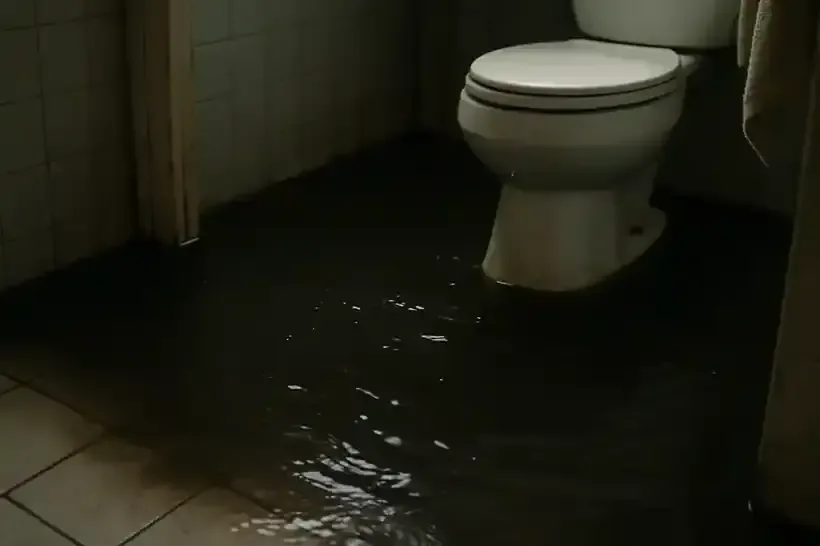 Category 3Sewage Backup CleanupDrain backups contained, cleaned and treated as Category 3 before any drying begins.See what each job involves
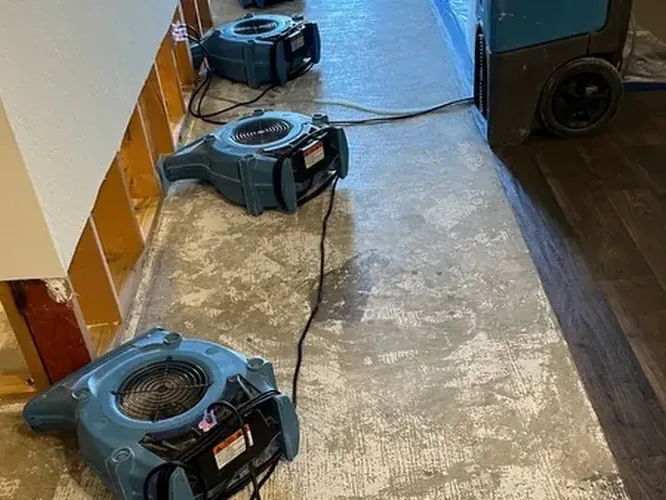 DryingStructural Drying and DehumidificationAir movers and LGR dehumidifiers run to verified dry readings, with desiccants when needed.See what each job involves
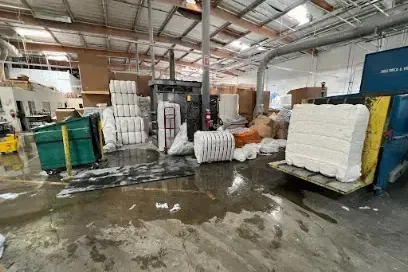 BusinessCommercial Water DamageWater losses in business spaces extracted and dried in phases to limit downtime.See what each job involves
Ida drenched the borough on September 1 to 2, 2021, and USGS reported flooding on the Raritan and Millstone Rivers across the region. Winter brings the opposite problem: freezing nights that split pipes in cold corners of a house.
Call about storm water in the house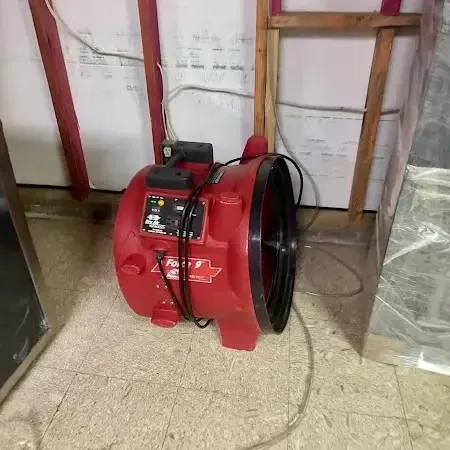
Around-the-clock water damage restoration in Highland Park, NJ. The restoration team extracts standing water, dries the structure to the IICRC S500 standard and documents each step for the insurance claim, whether the job is an older house in Livingston Manor or an apartment building.
Crews dry lower levels, stacked apartments and porch-front bungalows to measured readings, not to how a surface looks.
How the drying work is held to a standardA proper dry-out follows a set order and leaves a paper trail.
The restoration team treats an active leak or a flooded lower level as urgent at any hour.
Equipment is sized to the water category and class of loss, then run until walls and floors read dry.
Moisture maps, daily psychrometric logs and photos taken before any tear-out go in the file.
Ida rain, river backwater and winter freezes each show up differently inside a house.
Meters and thermal imaging trace where the water traveled, including wall cavities nobody can see.
Truck-mounted units and submersible pumps remove standing water first, because every gallon left behind has to evaporate later.
Air movers and LGR dehumidifiers go in by room volume and material, with desiccants for dense or stubborn areas.
Moisture readings are logged daily, and equipment stays until wet materials match a dry reference.
Water damage restoration in Highland Park, NJ typically runs $1,200 to $5,000 for a small clean-water leak and $5,000 to $12,000 for a finished lower level, with flood water or sewage jobs at $12,000 and up, depending on the water category, the wet area and how soon drying starts.
The water damage cost calculator gives a rough planning range. The real figure depends on what the moisture readings show is wet and how far the water traveled.
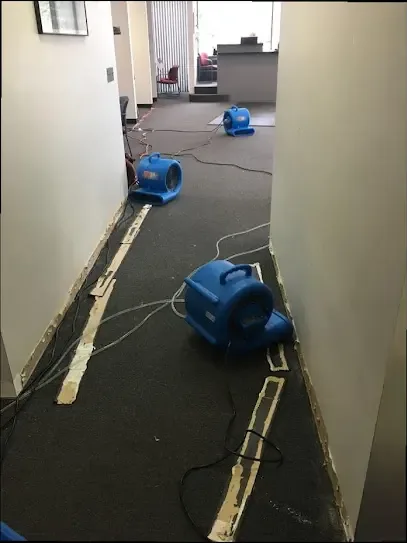
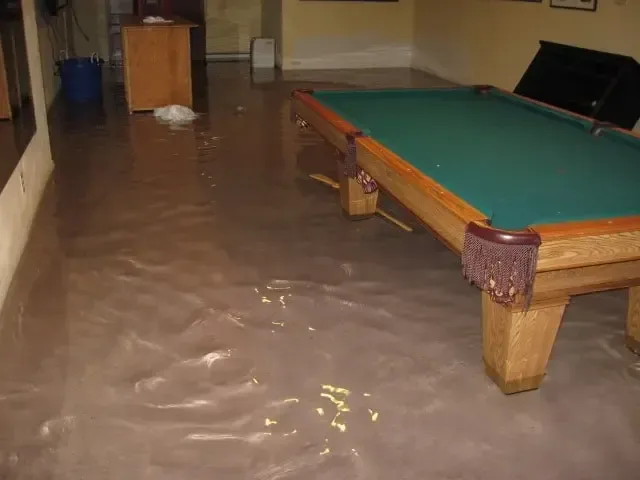
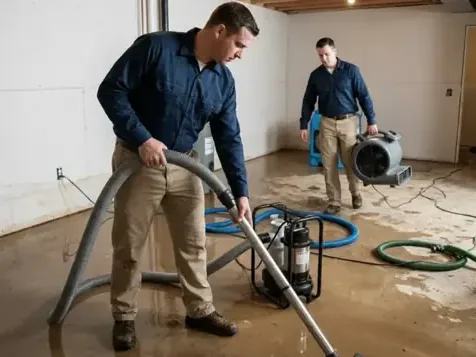
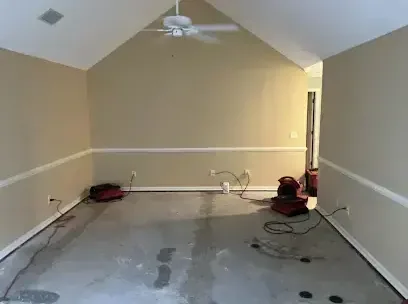
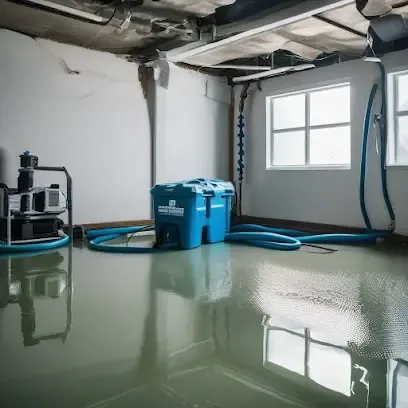
The paperwork an adjuster looks for includes a moisture map, daily psychrometric logs, photos dated before any demolition, the water category and class, and a scope of work item by item.
How a loss is covered depends on its cause. A burst pipe, an overflowing sump and a sewer backup can each fall under different terms, and water rising from outside generally calls for a separate flood policy. The policy and the insurer have the final say.
Supply pipes, water heater leaks and appliance hoses, often dried in place when found early.
Washer and dishwasher discharge or a tub overflow. Soaked pad and drywall are cleaned or pulled, depending on how long they sat.
Sewage from a backed-up drain, and water that came in from outside. Soaked porous materials are removed before drying starts.
See sewage backup cleanupFrom Livingston Manor to Orchard Heights, and along Raritan Avenue, the restoration team takes calls from every street in the borough, day and night.
Homes and buildings in ZIP 08904 are covered. A street not named in the lists below still gets service, so call whatever the address.
See every street and neighborhood servedTell the crew what failed, how deep the water is and which floors it reached, and the response team arranges pumps and drying equipment.
Tropical rain, the Raritan River beside the borough and a lot of pavement all feed local water losses, and winter freezes add split pipes to the list.
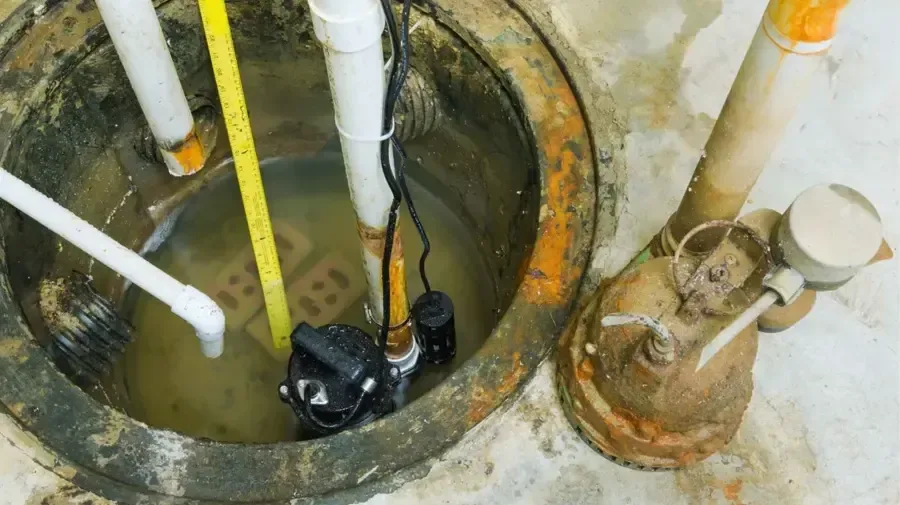
Shut off the water if a pipe is the cause, stay clear of standing water near outlets or the furnace, photograph the damage, then call. Lift small items off wet floors only if it is safe.
It depends on the cause. A sudden pipe or water heater failure is often covered, sump overflow and sewer backup usually need an added endorsement, and outside flood water needs a flood policy. The insurer decides, so check the policy.
Section 328-34 of the borough Sewer Use Ordinance bars sump pumps and cellar drainage from discharging into the sewer system, so when a pump stops in a storm the water stays in the house until it is pumped out.
Backup water is Category 3 from the start, so porous materials it touched are removed, surfaces are cleaned and treated, and drying begins after that. The borough's water and sewer emergency contact takes the report, or borough police after regular hours.
Clean-water jobs caught early often dry in three to five days. Dense materials, a soaked slab or a long wait can stretch that beyond a week, and the readings decide when equipment leaves.
It sets out how water losses are sorted by category and class, how drying equipment is sized and how a finished dry-out is verified.
From July 1, 2020, Utility Service Affiliates, Inc., a Middlesex Water Company subsidiary, has operated them under a ten year agreement. Water inside a building is a restoration job, while the public system belongs to the utility.
Often, when the water was clean and the leak was caught early, because wall cavities can be dried in place. Drywall that sags, stains over days or touched contaminated water is cut out.
Shared walls, ceilings and floors carry water between units. With renters in most occupied homes here, the drying team maps each affected unit and keeps separate records for each household.
Cost follows the water category, how much is wet, the materials involved and how quickly drying begins. A rough range comes from the cost calculator, and a site check settles the rest.
Water still moving through the house? Call (888) 471-9821.
Say what is wet and where the water began, and the response team starts the extraction plan.