Rapid local response
Dispatch runs 24/7, and active water is treated as urgent on nights, weekends and holidays.
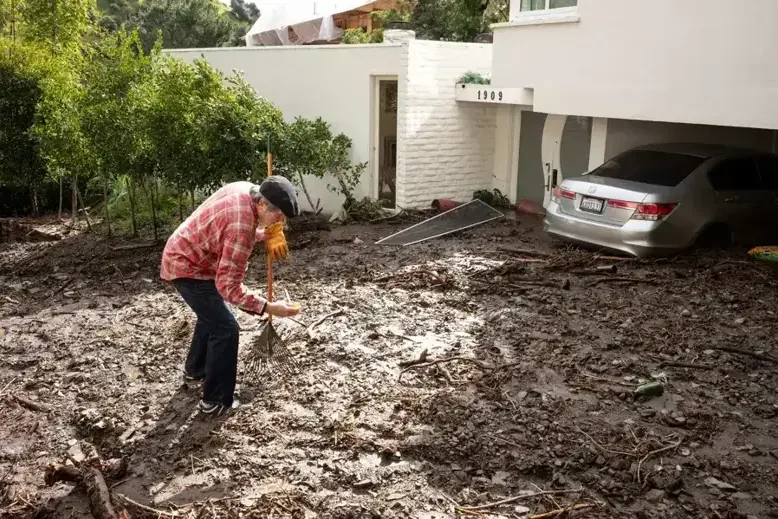
Sudden downpours turn streets into rivers and push muddy water into garages, lower levels and ground floors. The crew removes the water and silt, cleans contaminated surfaces and dries what remains.
(888) 471-9821Clear the flood water and mudDo not walk into flood water near outlets, cords or a panel.
Switch off power to affected rooms only if it is safe to reach the panel.
Move documents and electronics above the water mark.
Photograph water depth marks, mud and damaged items for the claim.
Independent restoration contractors do the work. This is how a proper job runs, so you know what to expect and what to ask for.
Dispatch runs 24/7, and active water is treated as urgent on nights, weekends and holidays.
The drying team maps moisture first, then dries the structure until the readings say dry.
Daily moisture readings and timestamped photos taken before demolition, the file an adjuster asks for.
Basements, sump pits, frozen pipes in cold snaps and heavy summer downpours are everyday calls here.
An unfinished lower level usually costs $5,000 to $9,000 after a flash flood, a finished one $9,000 to $18,000, and a flood that reached two levels runs $18,000 to $30,000 or more.
Ranges are typical, not a quote: the water category, the wet square footage, the material class and how fast drying started move the number most. Run the water damage cost calculator for a closer planning range.
Flood water is pumped and extracted from each level.
Mud, silt and soaked contents are shoveled and hauled out.
Hard surfaces are cleaned and sanitized.
Dehumidifiers and air movers run until readings are dry.
A flash flood on July 18, 2023 flipped parked cars and sent water to the front doors of homes on Drift Street. On July 9, 2026 a Flash Flood Warning left several cars stuck in high floodwater. The crew treats this kind of water as contaminated from the first step.
River and street flood water carries sewage, fuel and soil, so it is treated as Category 3 even when it looks like plain muddy water, the same category used for sewage backup cleanup.
Silt comes out early, because it holds moisture against floors and walls long after the water is gone.
Streets fill quickly in these storms: Jersey Avenue between Taylor Square and Van Dyke Avenue was closed by the July 2023 flooding.
Receding water leaves silt, damp contents and a strong odor. Structural drying starts once the mud is out, and the team keeps readings until the walls and floors are dry.
Flood water can hide holes, debris and live wires. Wait until the water has stopped moving and the power is off before anyone steps into a flooded room.
Flood cleanup covers homes, garages and ground floors across the city, from the Raritan River side and Route 18 to Drift Street and the streets near Jersey Avenue.
The same service nearby: flash flood cleanup in North Brunswick, Highland Park, Milltown.
Water damage restoration in New Brunswick · every town covered
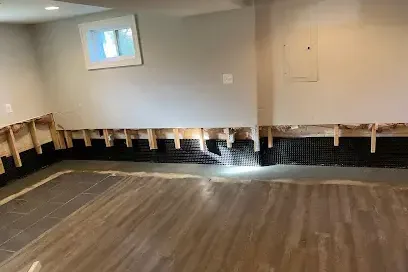 Basement Flooding Cleanup in New BrunswickFinished and unfinished basements pumped out, carpet and wall bottoms opened, the slab dried.Read the full rundown
Flash Flood Cleanup in North BrunswickRising water from cloudbursts and tropical remnants, handled as contaminated water from the start.Read the full rundown
Water damage restoration in New BrunswickOpen the town page
No. It can carry sewage, chemicals and debris, so gloves, boots and a respirator are standard, and skin contact should be avoided.
Standard homeowner policies often exclude surface flood water, which usually needs separate flood coverage. Ask the carrier what applies and keep dated photos of the damage.
As early as it is safe. Silt and wet materials hold moisture, and delays raise the chance of mold and of contents becoming unsalvageable.
Carpet and pad that touched flood water are removed. Drywall is cut above the wet mark, and anything porous that stayed soaked is discarded.
Yes. Pumps remove the water, silt is washed out and the concrete is sanitized, even in underground garages like the one at Family Court that flooded in July 2023.
Most flooded structures need three to five days of drying after the cleanup, and humid summer weather can stretch that.
Flood water inside the house? (888) 471-9821.
The crew brings pumps, extractors and sanitizing supplies, then stays until the structure reads dry.