Rapid local response
Dispatch runs around the clock, and the response team loads pumps and drying gear for whole floors before heading out.
The restoration team in Bound Brook pumps out river flood water, lower-level flooding and sewage backups, then dries every wet wall and floor with truck-mounted extraction and daily moisture readings.
(888) 471-9821Call about Raritan River water now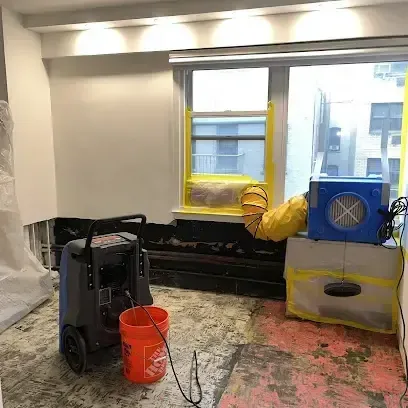
Stay out of standing waterFlood and sewage water can hide live outlets and contamination, so the household stays clear until power is off.
Stop the sourceClose the shutoff valve on a split pipe or leaking appliance. River water cannot be stopped, so call.
Take pictures firstPhotograph the high-water mark, soaked flooring and ruined belongings before anything gets moved or thrown out.
Lift valuables, then callRaise small items and electronics onto dry surfaces, then call so the crew can plan pumps and drying gear.
Every kind of water loss gets its own plan, from river flood pump-out to a slow appliance leak behind a cabinet.
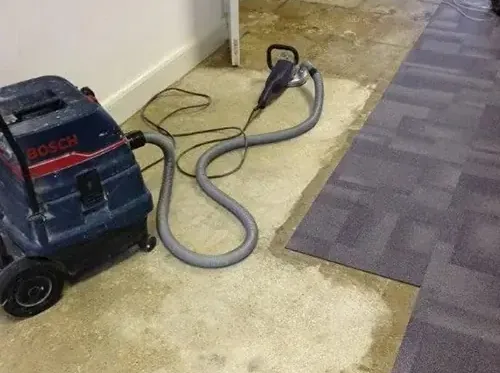 Pump-outWater Extraction and RemovalTruck-mounted pumps and wands pull standing water from carpet, pad and floors.See how it works here
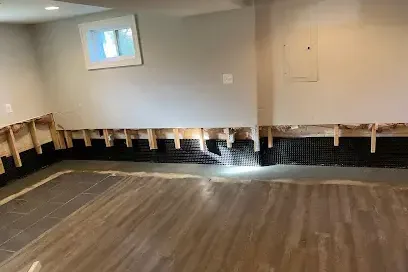 BasementsBasement Flooding CleanupFlooded lower levels get pumped out, stripped and dried until the slab reads dry.See how it works here
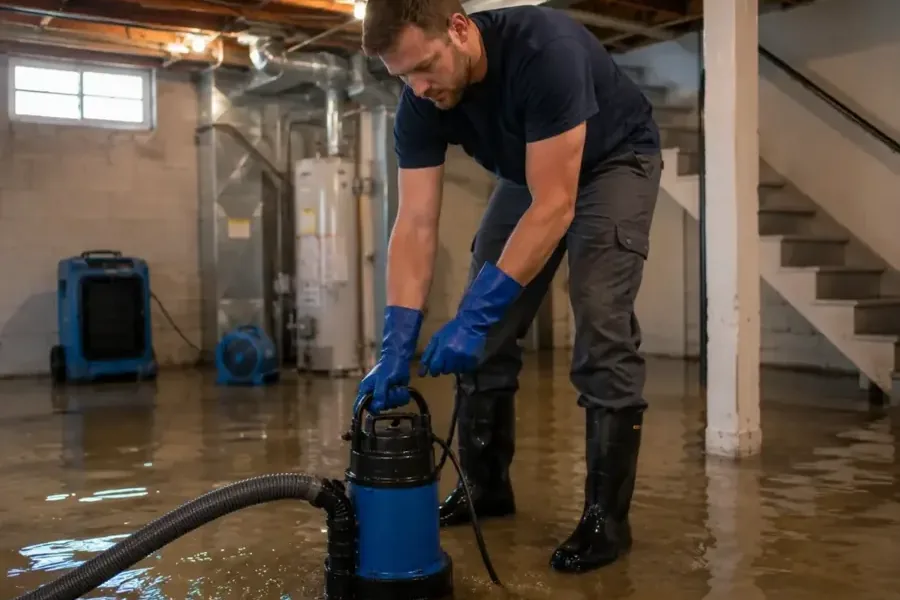 Sump pitSump Pump Failure CleanupA pump that fails in a storm floods the floor, so extraction and drying follow.See how it works here
 Cold snapFrozen Pipe Water DamageA thawing split pipe floods walls and ceilings, so only the wet sections are opened.See how it works here
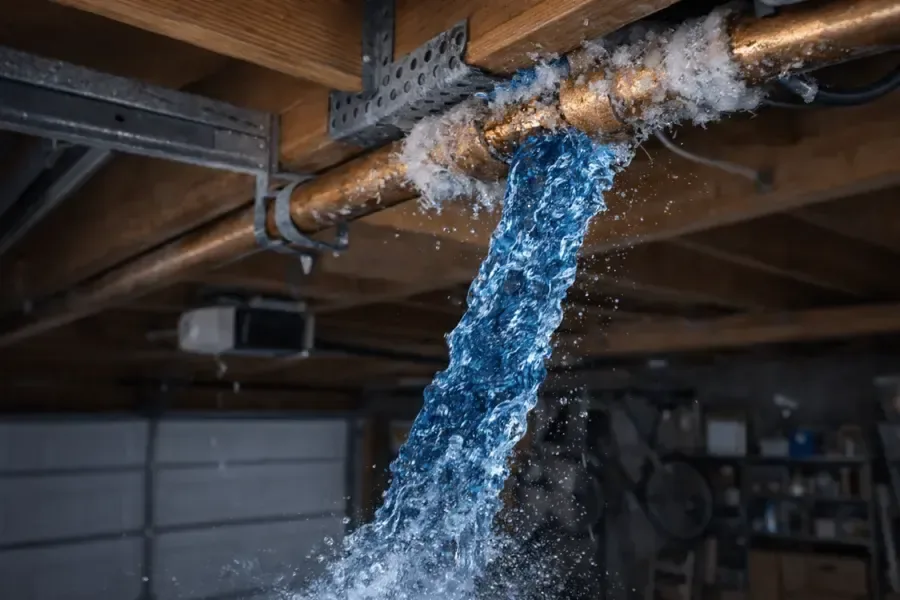 PlumbingBurst Pipe Water DamageSplit supply pipes soak walls and floors, so extraction begins once the valve is shut.See how it works here
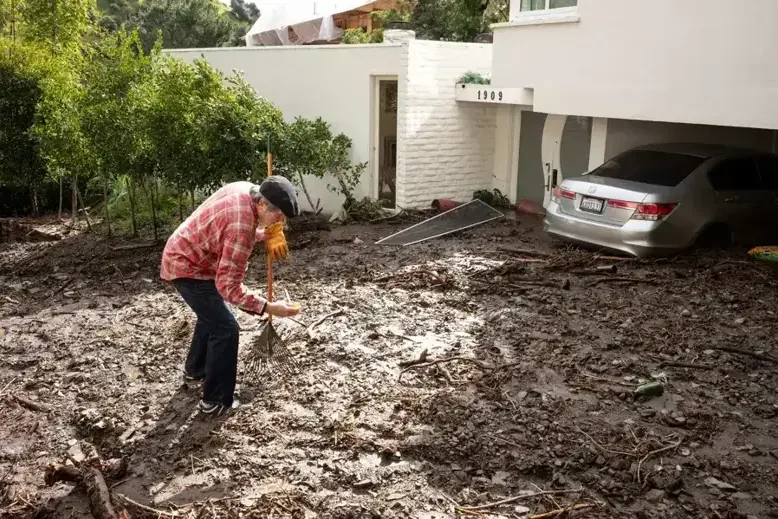 DownpoursFlash Flood CleanupStorm water carries silt and contamination, so the response team treats it as Category 3.See how it works here
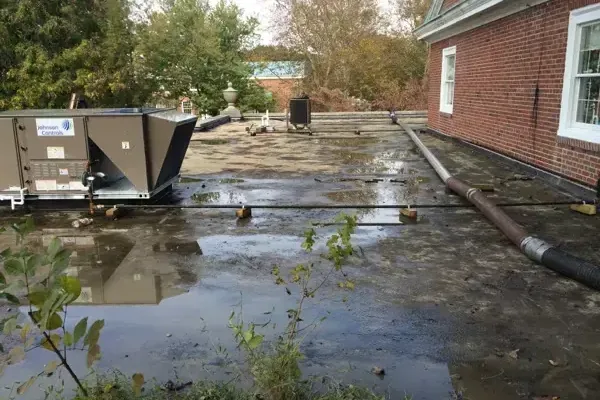 RoofRoof Leak and Ice Dam Water DamageStorm and ice dam leaks soak insulation and ceilings, then each layer is dried in order.See how it works here
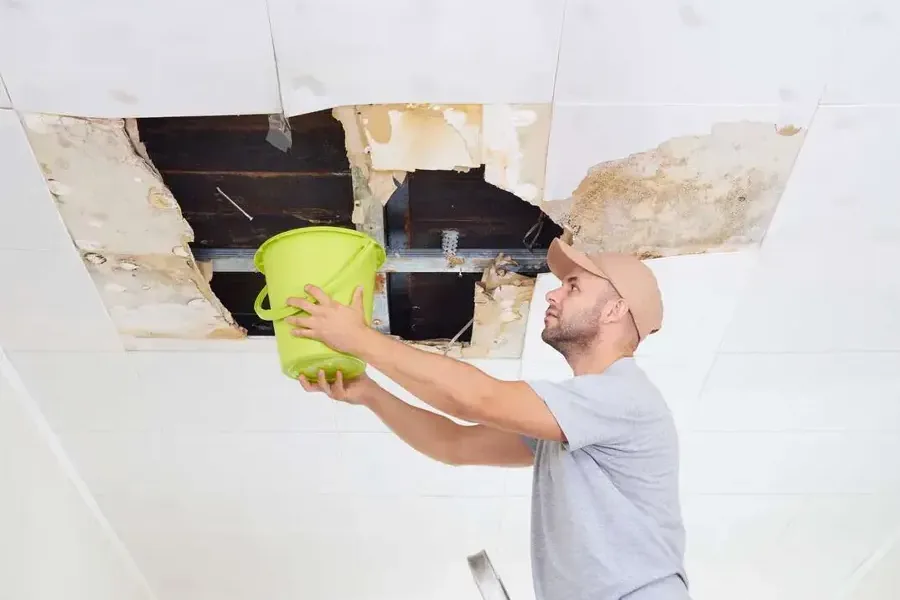 UpstairsCeiling Leak Water DamageStained or sagging ceilings get leak tracing, careful drywall removal and drying above.See how it works here
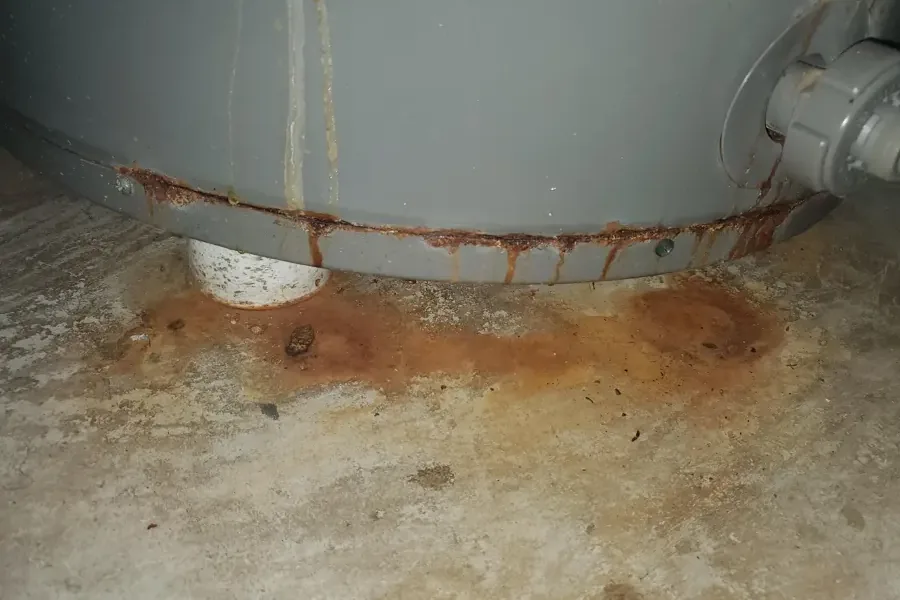 Utility roomWater Heater Leak CleanupA failed tank spreads across the floor, so pad, baseboards and wall bottoms get dried.See how it works here
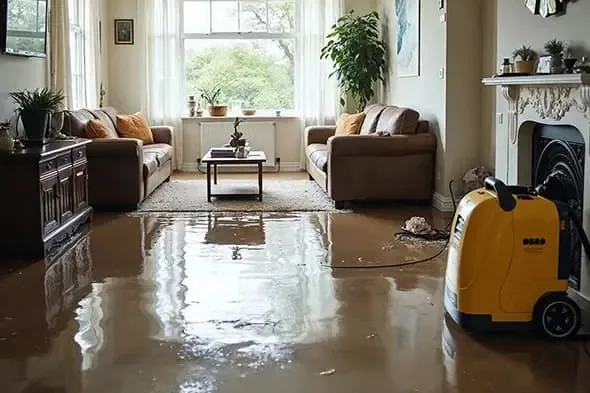 LaundryAppliance and Supply Hose LeaksDishwasher, washer and refrigerator hose leaks run under cabinets, where meters find hidden wet spots.See how it works here
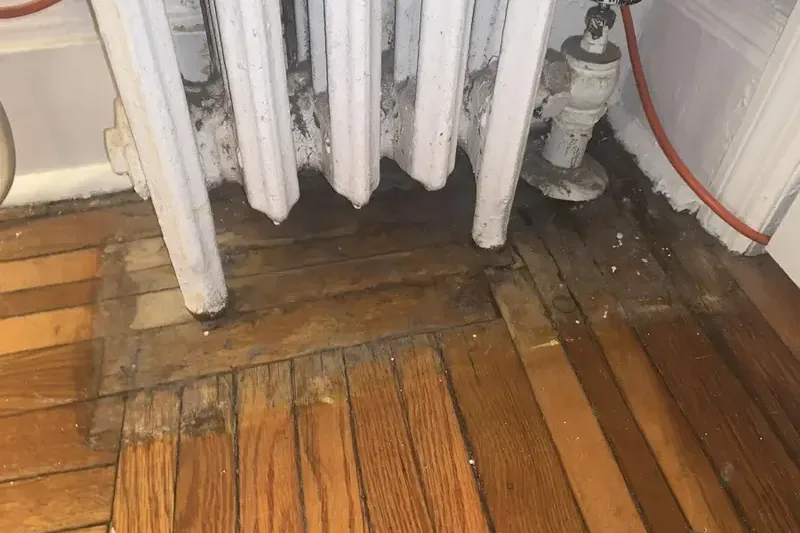 Shared wallsCondo and Townhouse Leak CleanupShared walls carry leaks between neighbors, so each unit is documented and every cavity dried.See how it works here
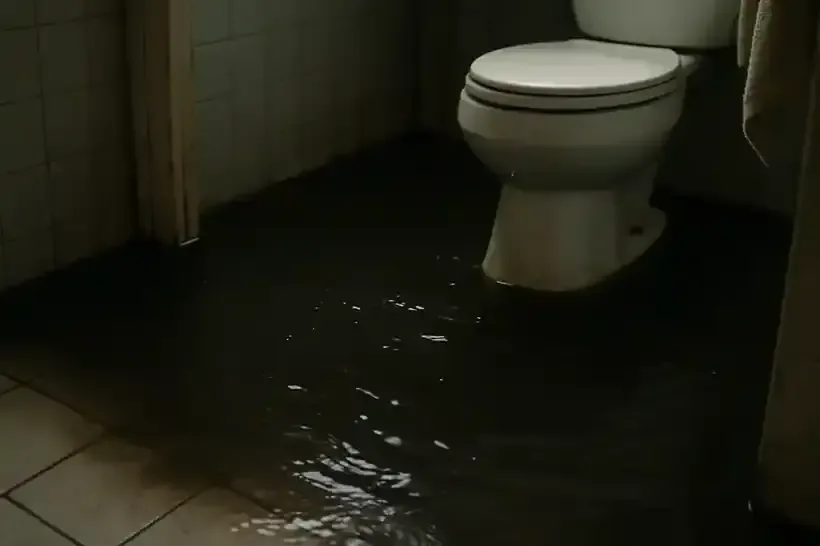 Category 3Sewage Backup CleanupSewage backups call for containment, protective gear, removal of porous materials and antimicrobial cleaning.See how it works here
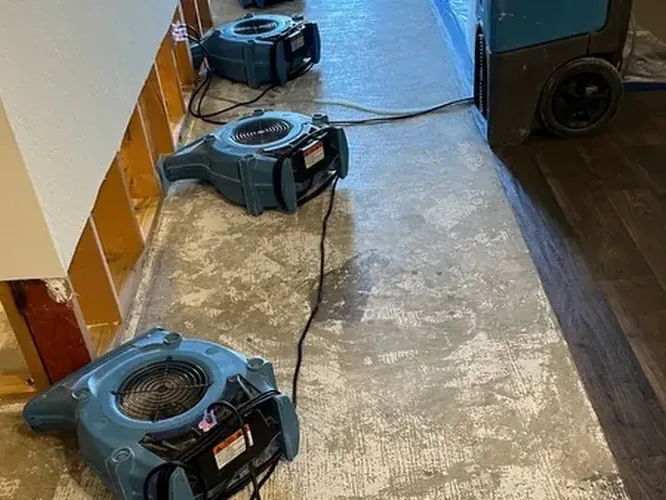 DryingStructural Drying and DehumidificationAir movers and dehumidifiers draw moisture from framing, subfloors and masonry until readings are dry.See how it works here
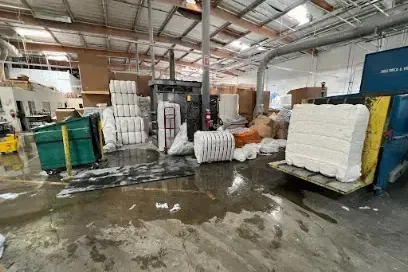 BusinessCommercial Water DamageShops, offices and warehouses get phased drying and containment that keep the rest working.See how it works here
Hurricane Floyd drove the Raritan River to a record 42.13 feet in 1999, and river levels nearly matched it again in 2007 and 2011. New Jersey winters add frozen pipes, so the crews stay busy in every season.
Call when water starts rising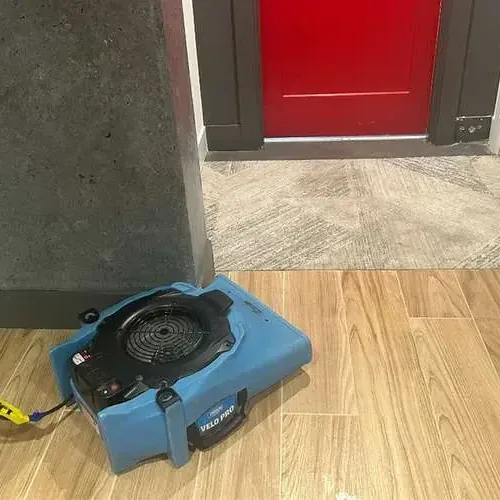
Bound Brook sits along the Raritan River, with Middle Brook and Green Brook forming its western and eastern edges. The southern part of the borough, downtown included, is a low-lying natural flood plain.
The restoration team loads truck-mounted pumps, desiccant dehumidifiers and air movers for whole floors, and every job ends with logged drying readings showing the structure is dry.
Read about the people behind the workFour habits set the work apart when the river or a failed pipe floods a building.
Dispatch runs around the clock, and the response team loads pumps and drying gear for whole floors before heading out.
River flood water and sewage get containment, protective gear and antimicrobial cleaning, never a clean-water shortcut.
Photos, readings and equipment logs go into one record an adjuster can follow.
Crews who work this flood plain plan for deep water, silt, soaked masonry and the longer drying that follows.
Probes and an infrared camera follow the wet path through walls, ceilings and floors, and the first readings set the baseline.
Submersible pumps and truck-mounted extraction clear standing water, then wands pull what soaked into carpet, pad and hard floors.
Air movers push dry air across wet surfaces while low-grain dehumidifiers pull moisture from the room, repositioned at each visit.
Daily readings show each material drying toward its target, and equipment stays until every wall and floor gets there.
Most jobs fall between $1,200 and $30,000 or more, because price follows how much water there is, how many rooms are wet, how long it sat and whether it was clean, gray or contaminated. A small leak sits low, a finished lower level in the middle, and flood or sewage losses at the top.
These are typical ranges. The written scope after the first moisture readings sets the actual number for the building, with equipment days and materials removed listed.
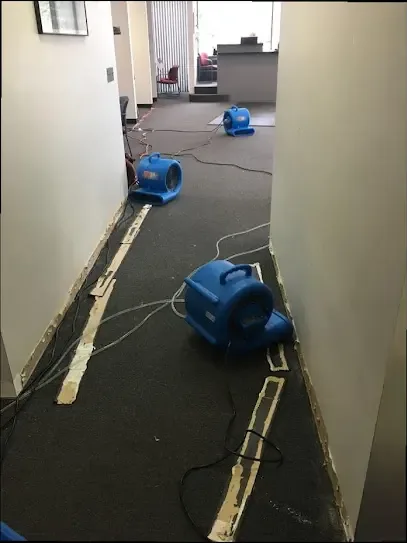
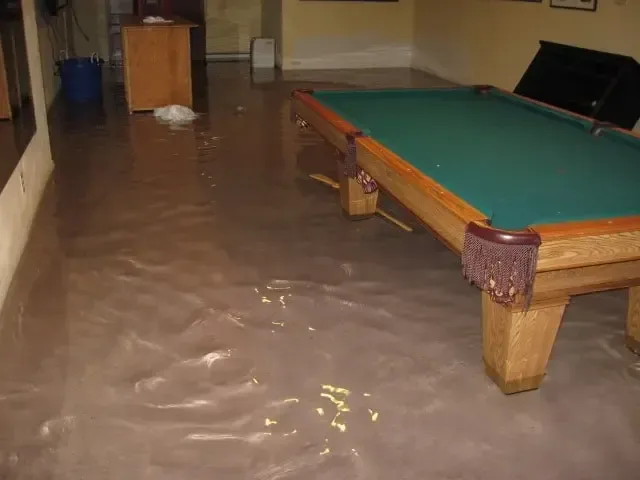
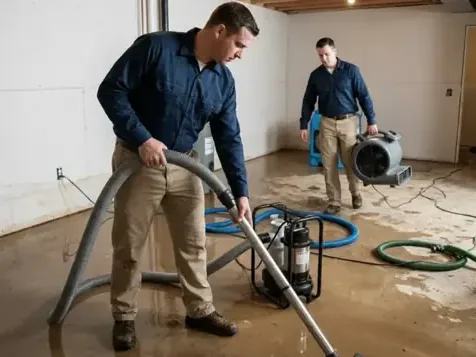
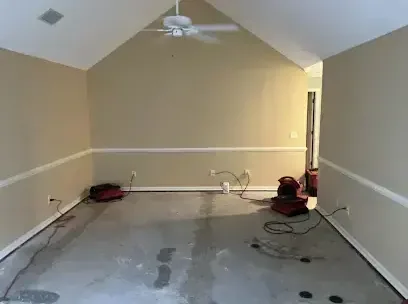
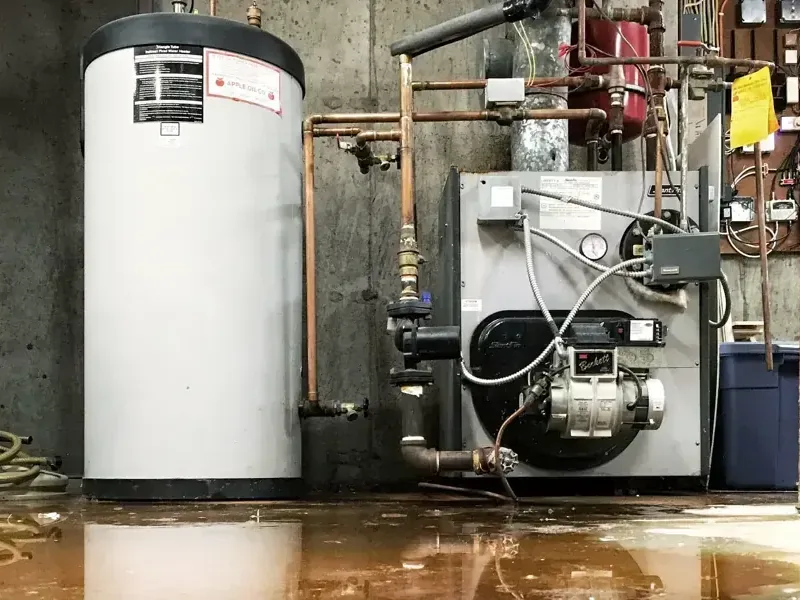
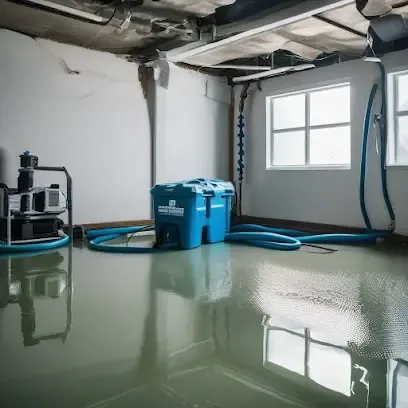
Water damage claims move more smoothly when the whole file is complete. The restoration team photographs every room, logs daily moisture readings and keeps an itemized scope of every material removed.
Adjusters and owners can follow which equipment went where, how many days it ran and what the final dry readings showed in each room. Coverage questions stay between the household and its own policy.
Water from a supply pipe or tank starts clean, and that changes once it soaks into porous materials.
Washer and dishwasher discharge carries contaminants, so carpet and pad usually come out and surfaces get cleaned.
River flood water and sewage are contaminated from the start and call for containment and protective gear.
Sewage backup cleanupCrews cover the whole borough, from downtown and Main Street to East Second Street, Mountain Avenue and Vosseler Avenue, including streets near Route 28.
One ZIP code covers the borough, and dispatch reaches every street inside it, from the Middle Brook edge to the Green Brook edge.
Browse every town in the service areaDispatch runs around the clock for the whole borough. The response team loads pumps, air movers and dehumidifiers to match the loss described, from a split pipe to a flooded floor.
The southern part of the borough, including downtown, is a natural flood plain of the Raritan River, and Middle Brook and Green Brook mark its two edges.
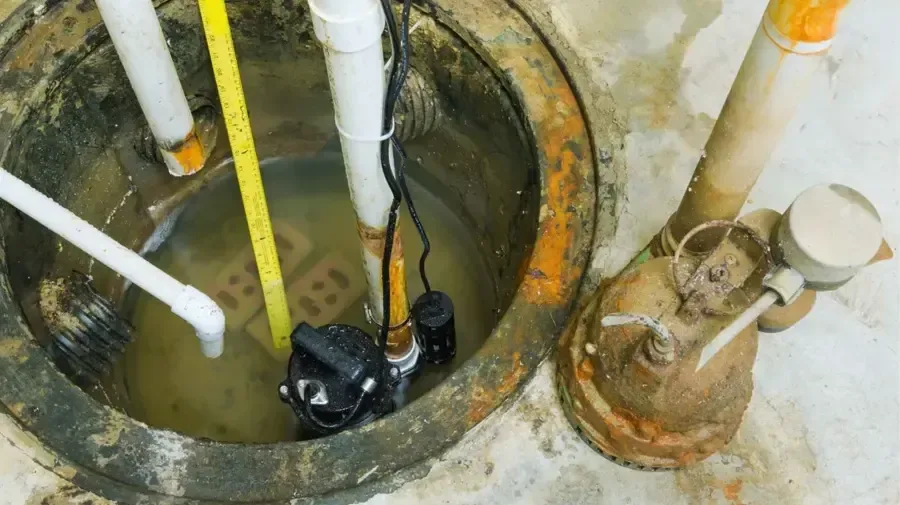
Wet drywall, insulation and carpet can begin growing mold in a day or two, so extraction and drying should start as early as possible after the water stops.
The extraction crew checks for electrical hazards, pumps standing water, then maps moisture with meters and a thermal camera before any wall or floor gets opened.
Yes. Flood water carries silt, sewage and runoff, so it is handled as Category 3 with containment and full removal of porous materials, while a clean supply leak can often be dried in place.
The Army Corps built levees, flood walls, floodgates and pumping stations, but pipes still split, pumps still fail and sewers can still back up, so water losses continue.
The crew contains the area, removes carpet, pad and drywall the sewage touched, cleans with antimicrobial treatment, then dries the structure. Heavy rain can overload an older sewer system.
Yes. With fewer than half of local housing units owner-occupied, at 44.8%, many leaks cross shared walls, so the team documents each affected unit and dries the cavities between them.
The utility works on the street main, while the drying team works on water that reaches a building. Local news has covered main breaks on East Main Street and Vosseler Avenue.
Yes. Phased drying, containment and after-hours work keep shops and offices open where possible, from a single suite to a large warehouse.
Photos should show the high-water mark, damaged flooring and walls, ruined belongings and any appliance or pipe that failed, taken before anything is moved or discarded.
Drying often runs several days, and heavy flood losses or dense materials can run longer. The crew checks readings daily and removes equipment only when every material reaches its dry target.
Water in the building? Call now, any hour (888) 471-9821.
The restoration team starts with extraction and moisture mapping, then dries every wet layer until the readings confirm the job.