Rapid local response
Dispatch runs 24/7, and active water is treated as urgent on nights, weekends and holidays.
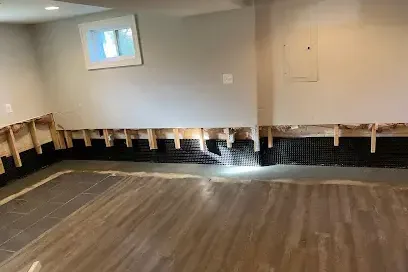
Water in a finished basement soaks carpet, pad and the bottom of every wall at once. The restoration team pumps it out, removes what cannot be saved and dries the slab and walls until the readings say dry.
(888) 471-9821Flooded basement? Start the pump-out nowDo not wade in if water could reach outlets, the furnace or the panel.
Shut the main valve if a pipe or the water heater is leaking.
If the pump is dead or unplugged, note it for the claim.
Record the water depth, walls and contents before cleanup.
Independent restoration contractors do the work. This is how a proper job runs, so you know what to expect and what to ask for.
Dispatch runs 24/7, and active water is treated as urgent on nights, weekends and holidays.
The drying team maps moisture first, then dries the structure until the readings say dry.
Daily moisture readings and timestamped photos taken before demolition, the file an adjuster asks for.
Basements, sump pits, frozen pipes in cold snaps and heavy summer downpours are everyday calls here.
Basement flooding cleanup typically runs $3,000 to $15,000, depending on how much of the basement is finished, the water category, the depth and how fast drying started.
Ranges are typical, not a quote: the water category, the wet square footage, the material class and how fast drying started move the number most. Run the water damage cost calculator for a closer planning range.
Submersible pumps, then truck-mounted extraction.
Wet pad, carpet and drywall come out by category.
Containment, LGR and desiccant dehumidifiers.
Daily readings on slab, block and framing.
Basements take more water than any other part of a home in North Brunswick. The sump pit, the water heater, the washer and the floor drain all sit down there, and heavy rain pushes groundwater against the foundation from the outside.
The source decides the water category, and the category decides what stays and what goes.
Clean water from a pipe is Category 1. The crew handles water that came through the walls or across the floor from outside, and any backup from a drain, as contaminated.
Carpet pad in a finished basement almost always comes out, because it soaks up water from the slab and cannot be dried in place. Drywall wicks water upward, so the restoration crew cuts it above the wet mark, usually 2 or 4 feet up, to open the wall cavity.
Concrete and block hold water deep inside and release it slowly. The drying team closes the basement off, runs LGR dehumidifiers and air movers aimed at the walls, and adds desiccant units when the readings stall. Daily readings track the slab and the block until they match a dry reference.
Check the property on the FEMA flood maps page, and read Ready.gov flood guidance on what to do before the next big storm.
Coverage runs across ZIP 08902, from Livingston Park, Adams and Black Horse to the homes along Georges Road and around Farrington Lake, plus the Route 1 and Route 130 corridors.
Nearby coverage reaches New Brunswick, Milltown, East Brunswick, South Brunswick, Franklin Township, Highland Park, Manville, Bound Brook.
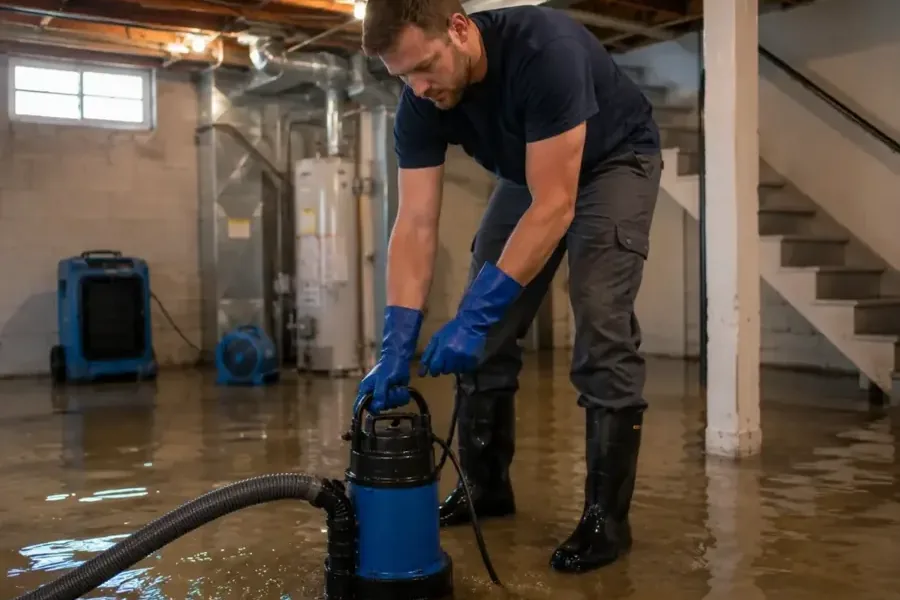 Sump Pump Failure CleanupOverflowing pits, dead pumps and power-outage backups extracted and dried before the walls wick.Read the full rundown
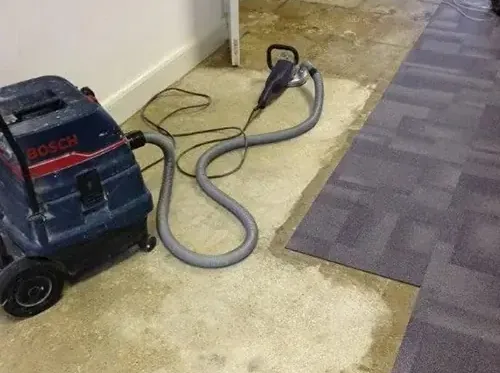 Water Extraction and RemovalStanding water pulled out with truck-mounted units before it wicks into pad, drywall and framing.Read the full rundown
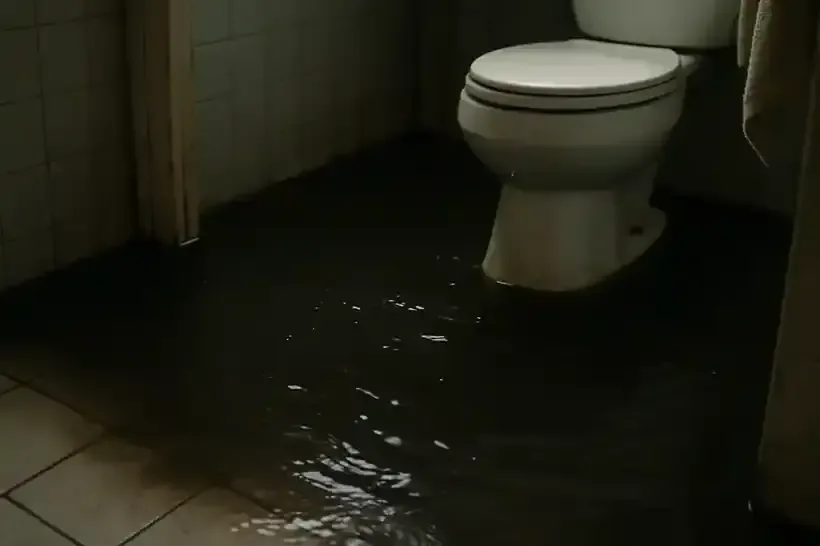 Sewage Backup CleanupFloor drain and toilet backups treated as Category 3, porous materials out, surfaces disinfected.Read the full rundown
Usually three to seven days after the water is out. A soaked slab, block walls or a long wait before drying can push it longer, and the readings decide when it is done.
No. The crew cuts above the highest wet reading, often 2 or 4 feet up. Drywall touched by flood water or sewage comes out to that height.
Clean-water carpet extracted quickly sometimes can, but the pad almost never. Carpet soaked by groundwater, flood water or a drain backup comes out.
A sudden pipe or water heater burst often is. Sump overflow and sewer backup usually need a water backup endorsement, and outside flood water needs a flood policy. Check with your own insurer.
Water trapped in the slab, the block or the bottom plate of the walls keeps evaporating. Meters find it, and drying continues until those readings match a dry reference.
Fans alone move damp air around a closed basement. Dehumidification has to pull the water out of the air, or the walls and slab stay wet.
Water on the basement floor right now? Call (888) 471-9821.
The restoration team pumps, tears out what cannot be saved and dries the slab and walls, 24/7.