Rapid local response
Dispatch works around the clock, and the response team treats active water as urgent on weekends and holidays too.
24/7 water damage restoration in Milltown, NJ. The restoration crew pulls out standing water, dries walls, floors and framing to the IICRC S500 standard and keeps a dated record of every reading for the insurance claim.
(888) 471-9821Water spreading in the house? Call the crew now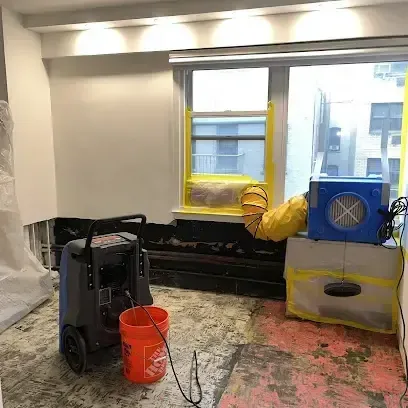
Close the main valveMany homes in the borough keep the water meter inside the house, and the main shutoff usually sits beside it.
Stay clear of wiringKeep out of water that could touch outlets, cords or the panel, and switch off power only from a dry spot.
Take pictures firstPhotograph the water, the walls and your belongings before anything gets moved or thrown out.
Call inside 24 to 48 hoursMold can take hold in that window, and hot, humid summers speed it up.
Water and sewage work only, from pulling the first gallon to logging the final dry reading, for every street in the borough.
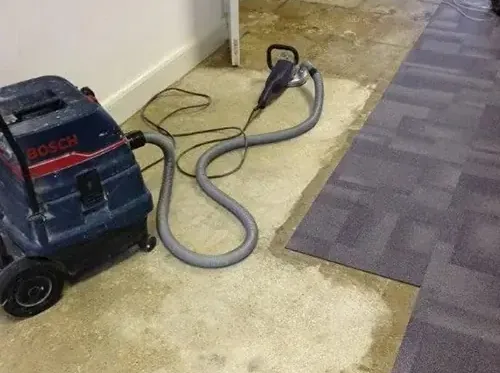 Pump-outWater Extraction and RemovalTruck-mounted and portable units remove standing water before floors and walls soak it up.See how it is done
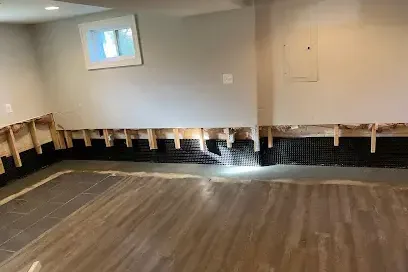 BasementsBasement Flooding CleanupLower levels pumped out, wet carpet and wall bottoms removed, concrete dried to readings.See how it is done
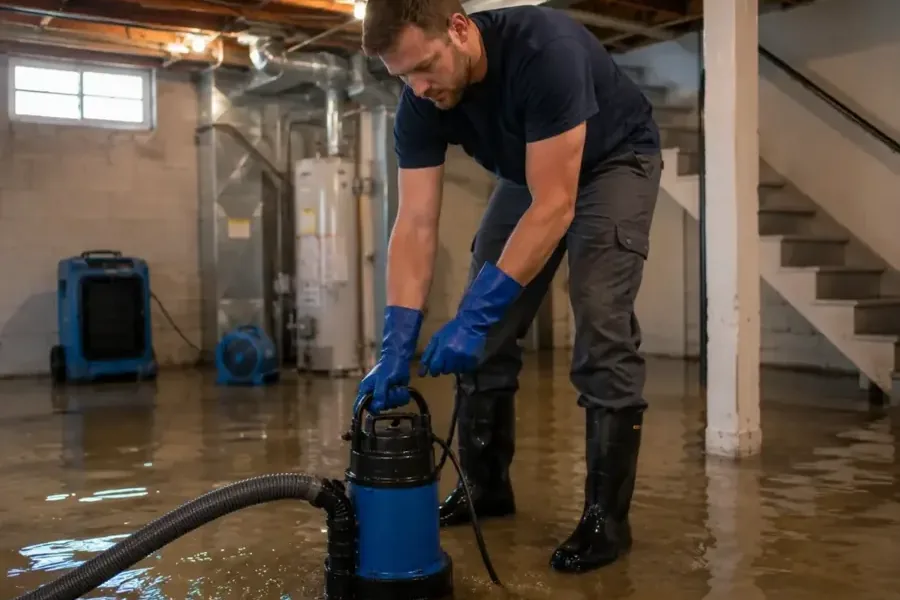 Sump pitSump Pump Failure CleanupPits that overflow when a pump quits or the power drops during a storm.See how it is done
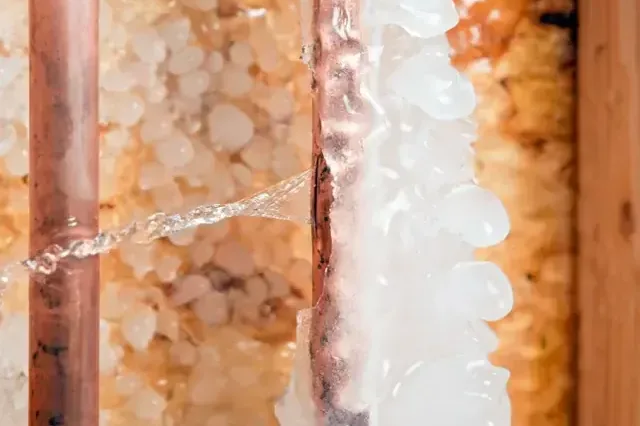 Cold snapFrozen Pipe Water DamagePipes that freeze and split in cold snaps, traced inside walls and ceilings.See how it is done
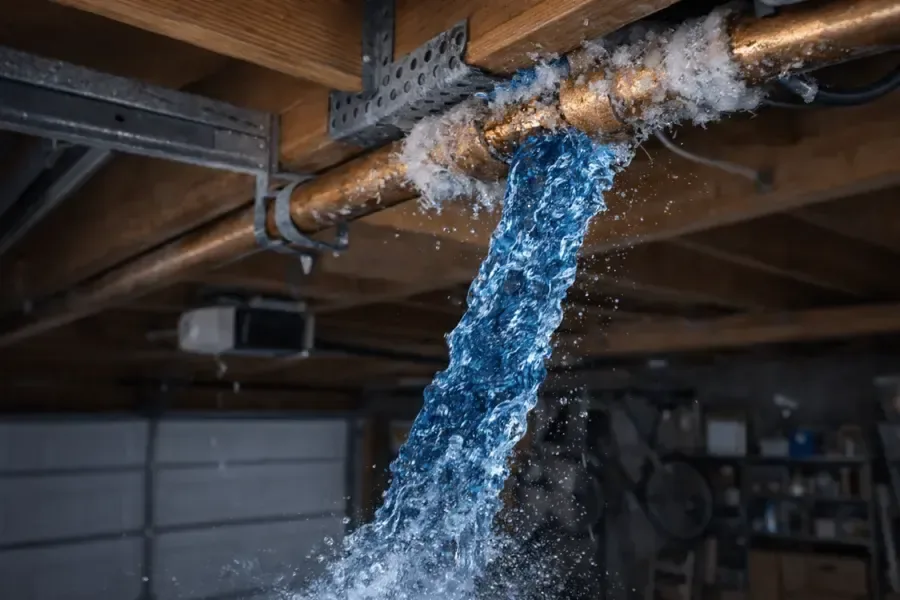 PlumbingBurst Pipe Water DamagePressurized pipe failures stopped at the valve, then extracted and dried room by room.See how it is done
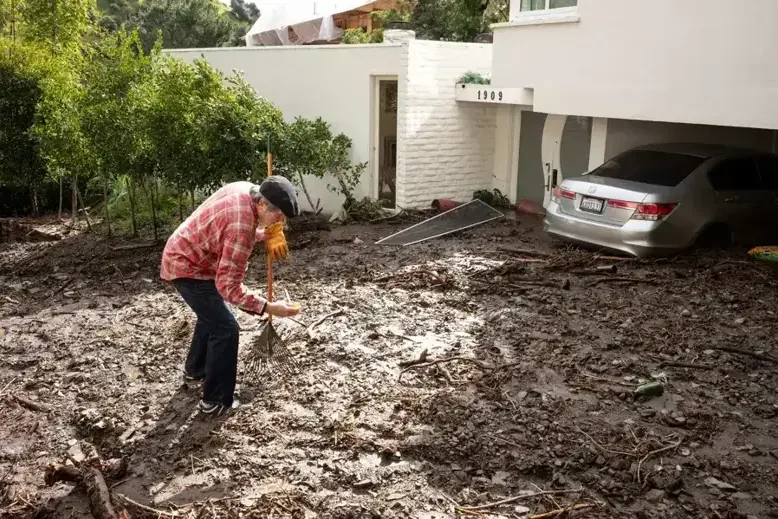 DownpoursFlash Flood CleanupHeavy-rain flooding from outside handled as contaminated, Category 3 water.See how it is done
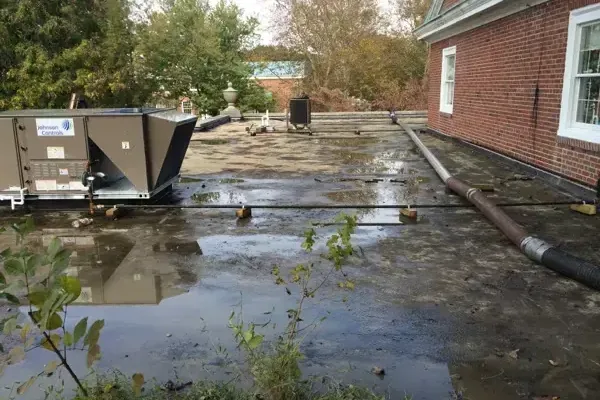 RoofRoof Leak and Ice Dam Water DamageStorm-driven rain and ice dams that wet attic insulation and upstairs ceilings.See how it is done
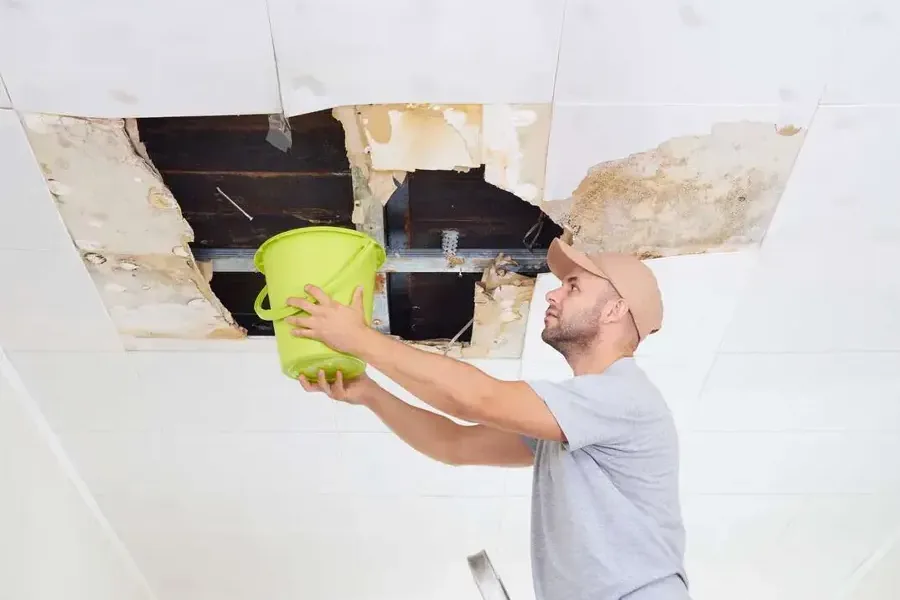 UpstairsCeiling Leak Water DamageToilet, tub and pipe leaks from above, with soaked drywall opened and dried.See how it is done
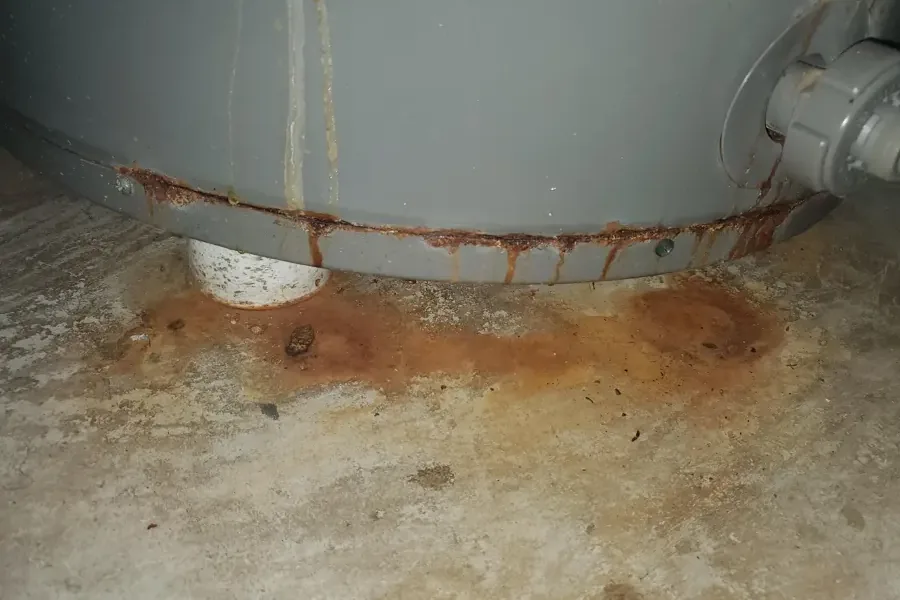 Utility roomWater Heater Leak CleanupLeaking or failed tanks extracted and dried before nearby walls and stored boxes wick.See how it is done
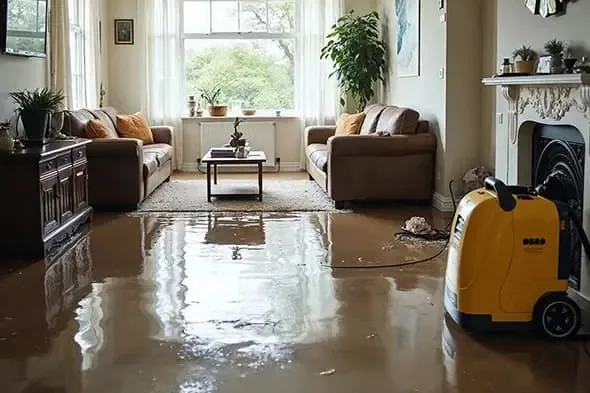 LaundryAppliance and Supply Hose LeaksWasher, dishwasher, fridge and toilet hose failures dried out of floors and cabinets.See how it is done
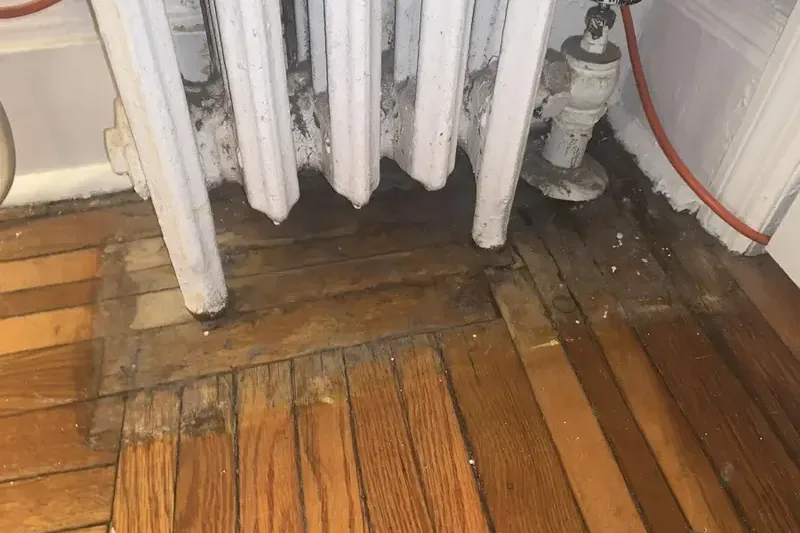 Shared wallsCondo and Townhouse Leak CleanupLeaks that cross a shared wall or ceiling, mapped and dried in each home.See how it is done
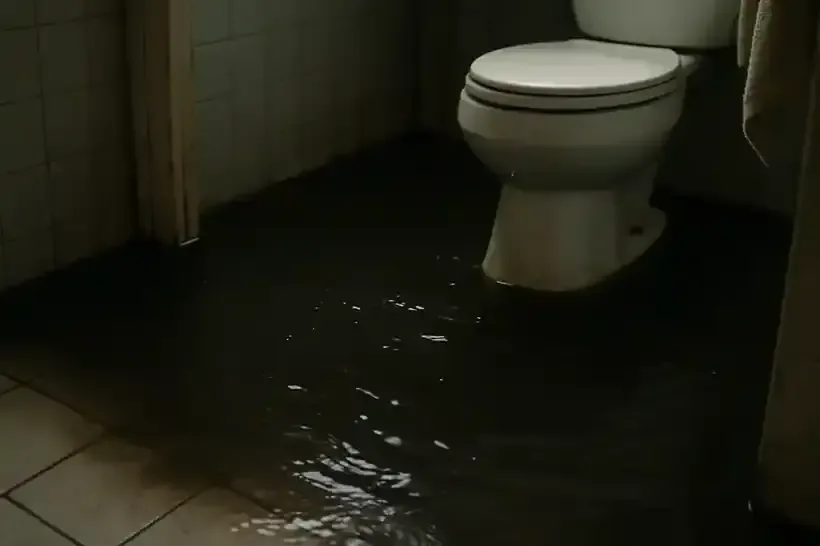 Category 3Sewage Backup CleanupDrain and toilet backups treated as Category 3, with porous materials removed.See how it is done
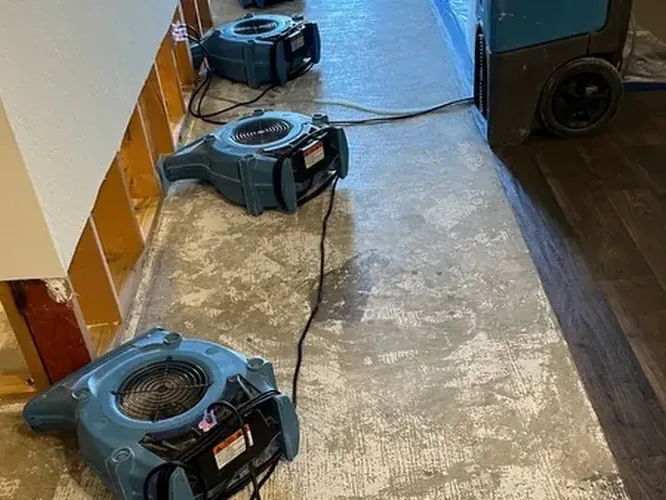 DryingStructural Drying and DehumidificationFraming, subfloor and concrete dried until meters match a dry reference.See how it is done
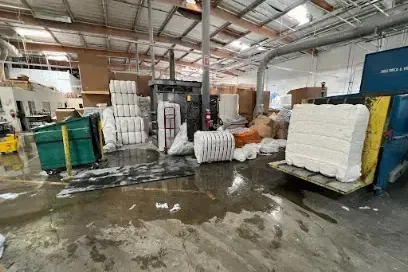 BusinessCommercial Water DamageShops and offices dried in stages so the open areas keep running.See how it is done
Big storms hit the whole region, not one town. Hurricane Irene in August 2011 brought roadway and poor-drainage flooding across Middlesex County, and the remnants of Ida caused historic flooding in New Jersey in September 2021. Winter brings frozen pipes: in January 2018, mains and pipes froze statewide.
Get storm water out of the house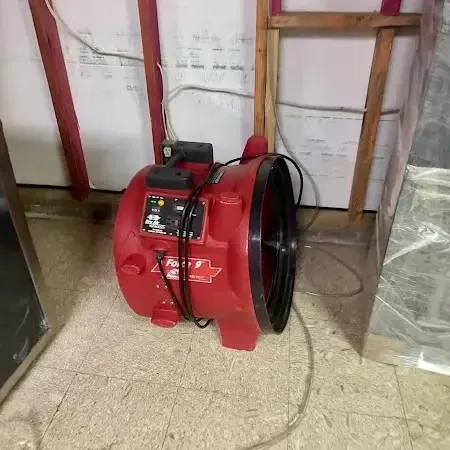
24/7 water damage restoration for Milltown, from the Northside to the Southside and the streets around the Mill Pond. The restoration crew removes the water, dries the structure to the IICRC S500 goal and photographs each step for your claim.
Most of the borough is single-family homes, about 2,461 of 2,753 units, and the median home was built in 1963, so the drying team expects older plumbing and finishes.
See how a proper dry-out is runA finished dry-out follows a set order and leaves records, no matter who does it.
Dispatch works around the clock, and the response team treats active water as urgent on weekends and holidays too.
The drying team dries the structure itself, not just the surfaces, with equipment sized to the class of loss.
Moisture maps, daily drying logs and dated photos taken before anything is torn out.
The borough's own 2019 utility plan names storm flooding near the Mill Pond and Lawrence Brook and an aging sewer system.
Thermal cameras and pinless meters show where water went behind walls and under floors before any equipment is placed.
The extraction crew uses truck-mounted units to pull water out as liquid, the fastest and cheapest way to start drying.
Air movers and LGR dehumidifiers go in sized to each room, with desiccant units for dense materials.
The team logs readings daily and removes equipment once wet materials are within 2 to 4 points of a dry reference.
Water damage restoration here usually costs $1,200 to $5,000 for a contained clean-water leak and $5,000 to $12,000 when a finished lower level floods, while flood water or sewage jobs start around $12,000. The water category, the wet square footage, the materials and how fast drying began set the number.
Run the water damage cost calculator for a planning range. A firm price only comes from a walkthrough that measures what is actually wet.
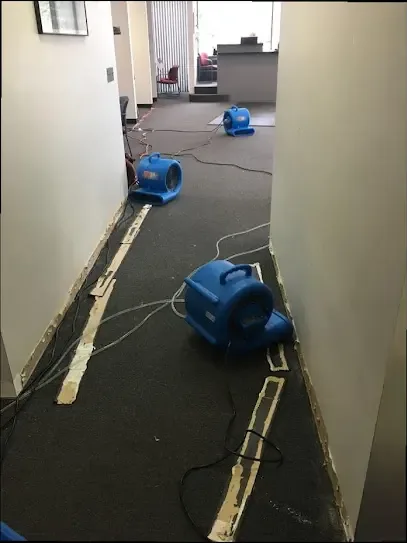
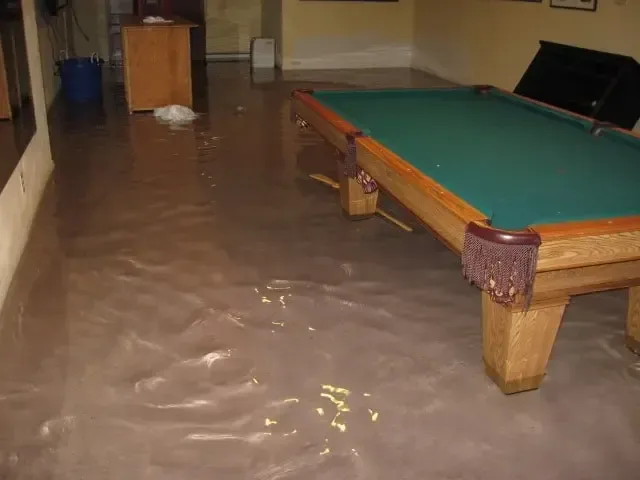
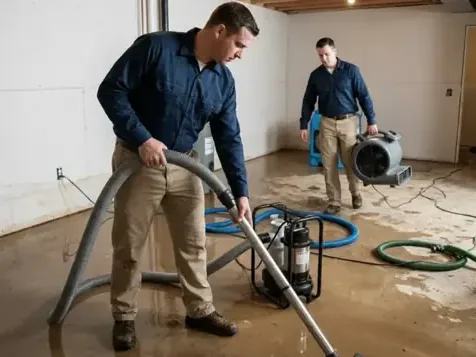
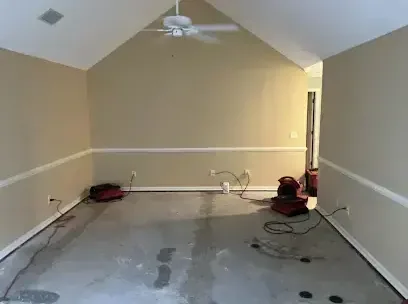
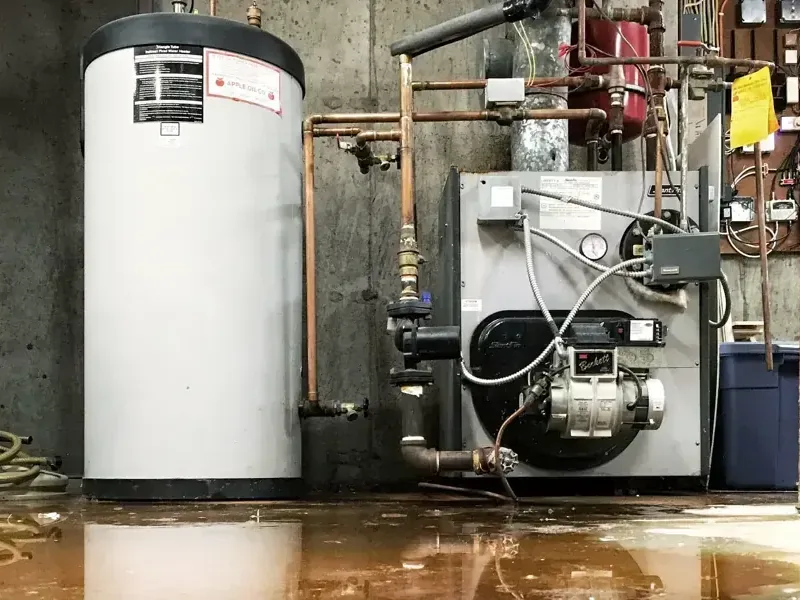
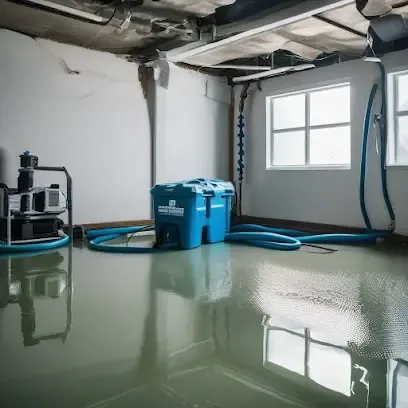
A complete claim file holds the moisture map, daily psychrometric logs, dated photos taken before demolition, the category and class of the water, and a line-item scope of the work.
A burst pipe, an overflowing sump and outside flood water are often handled differently: backup from a drain or sump usually needs a water backup endorsement, and flood water needs a separate flood policy. Every policy differs, so confirm coverage with your own insurer.
A burst supply pipe, a frozen pipe split or a leaking water heater, often dried in place when caught early.
Discharge from a washer or dishwasher, or a toilet overflow with urine only. The crew cleans or removes soaked pad and drywall.
Sewage, drain backups and flood water from outside. Porous materials it reached come out before drying.
Sewage backup cleanupFrom the Northside and the Southside to Brook Park and the streets around the Mill Pond, the restoration team covers every block of the borough at any hour.
The whole borough uses ZIP 08850. Street not on the list? Call anyway, because coverage includes every street in town.
See every town in the service areaCall the toll-free number any time, describe where the water started and what is wet, and the response team gets water removal moving.
Lawrence Brook runs through the middle of the borough, and a dam under Main Street holds it back as the Mill Pond. Most homes are older single-family houses.
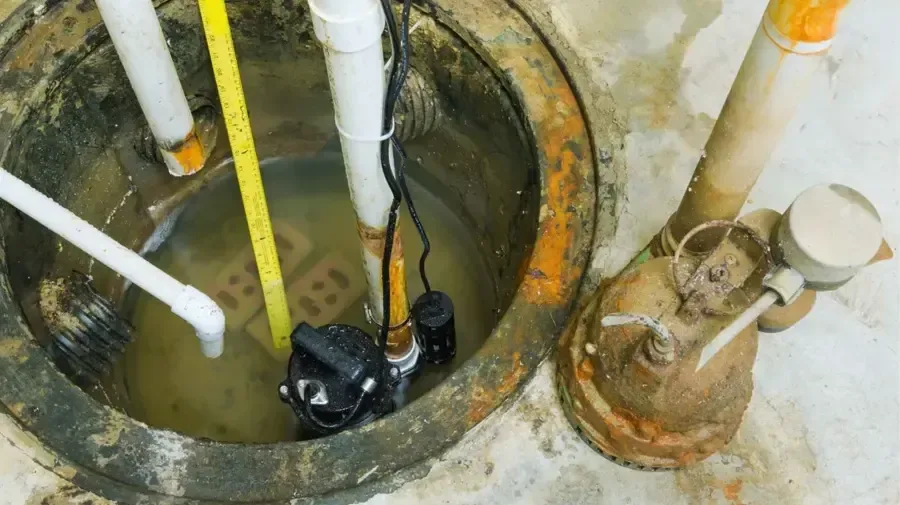
Dispatch runs around the clock and handles active water as urgent. Arrival depends on storm volume and how many calls are waiting, so ask for the current timing when you call.
Some do. The borough's Construction Office requires a building permit to install or replace a water heater, furnace or boiler, to finish a basement or attic, and for kitchen or bathroom work that moves sink or appliance plumbing.
A sudden burst pipe or tank failure is often covered. Water from a sump or a sewer backup usually needs a water backup endorsement, and outside flood water needs a flood policy. Check the details with your own insurer.
Old pipes let groundwater and storm water seep in, which can overload the system in heavy rain, and roots or blockages in a house drain do the same. The sewage backup cleanup process treats every backup as Category 3.
With clean water and a quick start, most rooms read dry within three to five days. Concrete, wet walls and a slow start can stretch that past a week, and the daily readings decide when it is done.
It is the industry standard for water damage restoration, written by the IICRC. It sets how water gets classified, how drying equipment gets sized and how a dry result gets confirmed.
Mitigation comes first: removing water, tearing out what cannot dry and drying the rest. Rebuilding, such as new drywall, flooring and trim, starts only after readings confirm the structure is dry.
Stay out of moving water, keep away from outlets and the panel, photograph everything and call. Outside flood water is Category 3, so the flash flood cleanup process removes soaked porous materials.
Sometimes. Drywall touched only by clean water and dried quickly often stays. Drywall that sewage or flood water reached, that sags, or that keeps reading wet comes out to above the high-water mark.
By the category of water, how many square feet got wet, the materials involved and how quickly drying began. The basement flooding cleanup page for the borough walks through one common job.
Water still rising while you read? Call (888) 471-9821.
The response team asks where the water came from and what is wet, then starts removing it.