Rapid local response
Dispatch runs 24/7, and active water is treated as urgent on nights, weekends and holidays.
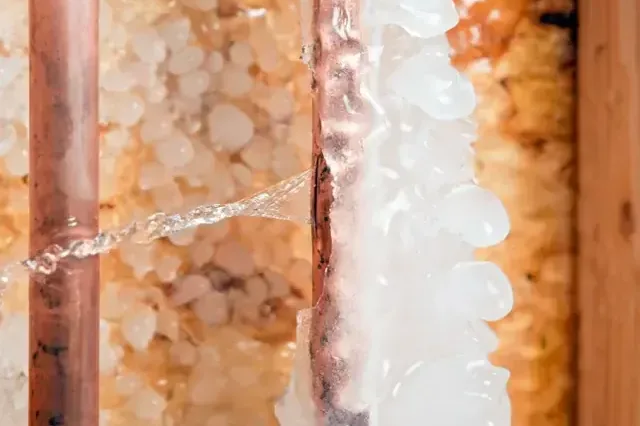
A frozen pipe often leaks only after it thaws, inside a wall or a garage ceiling where nobody sees it. The drying team finds every wet cavity with meters and thermal imaging, opens what needs opening and dries the structure.
(888) 471-9821Pipe split in the freeze? Call for help nowClose the main valve as soon as you see water or hear spraying.
Relieve pressure and let the rest of the pipe drain.
Stay out from under a sagging, water-filled ceiling.
Record the split pipe, the wet rooms and the contents.
Independent restoration contractors do the work. This is how a proper job runs, so you know what to expect and what to ask for.
Dispatch runs 24/7, and active water is treated as urgent on nights, weekends and holidays.
The drying team maps moisture first, then dries the structure until the readings say dry.
Daily moisture readings and timestamped photos taken before demolition, the file an adjuster asks for.
Basements, sump pits, frozen pipes in cold snaps and heavy summer downpours are everyday calls here.
Frozen pipe water damage typically runs $1,500 to $10,000, depending on how long the pipe ran after the thaw, how many rooms and levels got wet and how much ceiling and wall had to be opened.
Ranges are typical, not a quote: the water category, the wet square footage, the material class and how fast drying started move the number most. Run the water damage cost calculator for a closer planning range.
Thermal imaging and meters follow the leak path.
Water out, then small openings or cuts as needed.
Air movers into walls and ceilings, LGR units on.
Readings until framing and drywall reach the goal.
Winter nights in central New Jersey regularly drop below freezing, and a few nights each year drop into the teens or lower. Pipes that run through cold spaces in North Brunswick homes freeze, the ice expands, and the pipe splits.
Ice inside the pipe holds the water back. When the weather warms, the ice melts and water sprays from the split at full pressure, often for hours before it shows through a ceiling or runs out of a wall.
That is why the tech who does the walkthrough checks the rooms above, below and beside the break, not just the spot where water appeared.
Supply water is clean, so drywall caught early can often be dried in place with small openings at the bottom of the wall. The drying team cuts out ceilings that sag, soaked insulation and drywall that stays wet. Air movers push air into the open cavities, and dehumidifiers pull the water out of the room.
Keep the heat on when you travel, open cabinet doors on outside walls during a cold snap and shut the inside valve for hose bibs. Ready.gov winter weather tips and the National Weather Service cold safety page cover the basics.
Coverage runs across ZIP 08902, from Livingston Park, Adams and Black Horse to the homes along Georges Road and around Farrington Lake, plus the Route 1 and Route 130 corridors.
Nearby coverage reaches New Brunswick, Milltown, East Brunswick, South Brunswick, Franklin Township, Highland Park, Manville, Bound Brook.
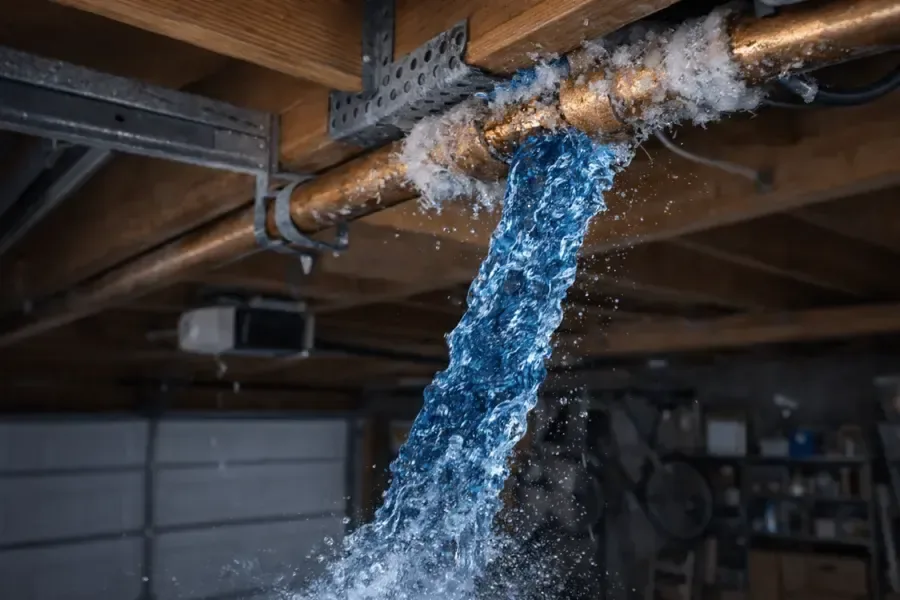 Burst Pipe Water DamagePressurized supply failures inside walls and ceilings, extracted after the shutoff and dried.Read the full rundown
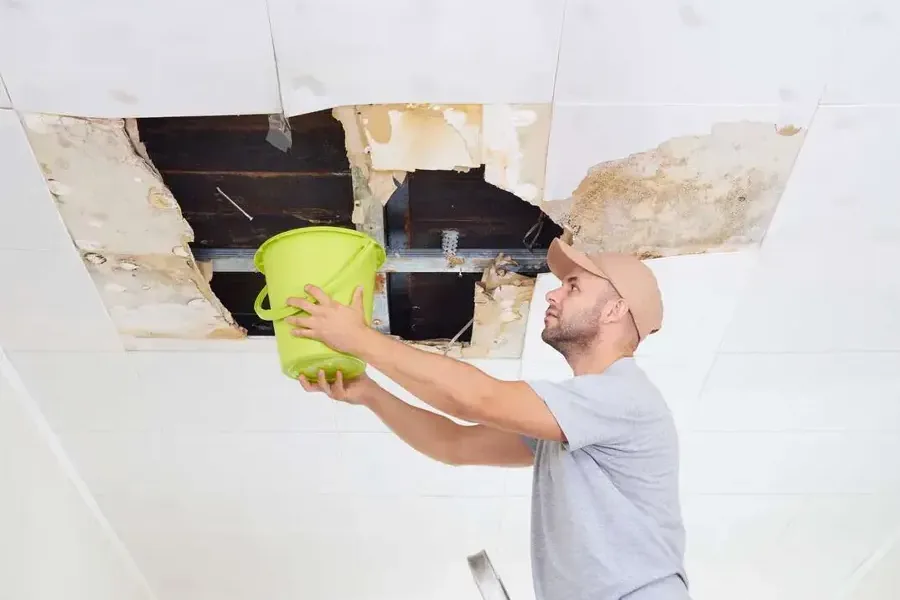 Ceiling Leak Water DamageBathroom, supply and drain leaks from the floor above, with the drywall opened safely.Read the full rundown
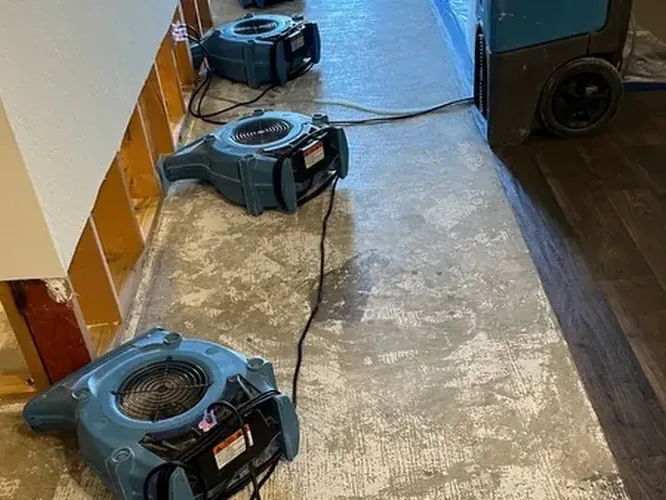 Structural Drying and DehumidificationFraming, subfloor, block walls and slab dried to within 2 to 4 points of a dry reference.Read the full rundown
Ice blocks the split while the pipe is frozen. When it thaws, water flows through the crack at full pressure.
Often, when the water was clean and drying started early. The crew removes sagging ceilings, soaked insulation and drywall that stays wet.
Many policies cover sudden freeze damage if the home was heated. Coverage depends on your policy, so check with your own insurer.
Usually three to five days for walls and ceilings. Hardwood floors and long-running leaks take longer.
A plumber repairs or replaces the split pipe. The restoration crew handles the water, the drying and the documentation.
Pipes in garage ceilings, outside walls, crawl spaces and hose bibs, especially in split-level and bi-level homes.
Water coming through after the thaw? Call (888) 471-9821.
The drying team traces the leak, opens what is needed and dries every wet cavity, 24/7.