Rapid local response
Dispatch runs 24/7, and active water is treated as urgent on nights, weekends and holidays.
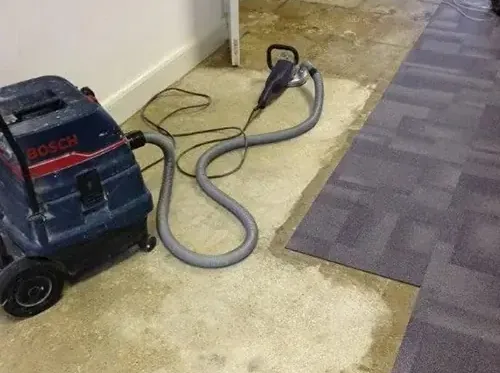
Floods, leaks and failed appliances leave standing water that keeps soaking into carpet, pad and framing. The extraction crew pulls it out first, then maps what stayed wet before drying starts.
(888) 471-9821Pump out the water nowShut the valve or the appliance, then cut power near wet outlets.
Raise furniture onto foil or blocks and pull rugs out of the wet area.
A household vacuum is not made for water, so wait for the extractors.
Take wide shots and close-ups of the water and damaged items before moving anything.
Independent restoration contractors do the work. This is how a proper job runs, so you know what to expect and what to ask for.
Dispatch runs 24/7, and active water is treated as urgent on nights, weekends and holidays.
The drying team maps moisture first, then dries the structure until the readings say dry.
Daily moisture readings and timestamped photos taken before demolition, the file an adjuster asks for.
Basements, sump pits, frozen pipes in cold snaps and heavy summer downpours are everyday calls here.
Extraction alone usually costs $500 to $1,500 for one or two rooms and climbs with the number of rooms, the depth of the water and whether carpet pad has to be hauled out.
Ranges are typical, not a quote: the water category, the wet square footage, the material class and how fast drying started move the number most. Run the water damage cost calculator for a closer planning range.
Pumps and wands remove standing water room by room.
Soaked pad and unsalvageable materials are cut out and hauled away.
Meters and a thermal camera locate moisture left in walls and floors.
Drying equipment is set, or the job moves to structural drying with a written plan.
Standing water reaches homes here from several directions: the Raritan River spilled into the city after Ida, flash floods filled streets and a garage in July 2023, and ordinary pipe failures flood apartments each winter. The extraction crew treats each source differently but always starts by getting the water out.
Water wicks upward through drywall and spreads under flooring long before the surface looks wet.
The crew photographs the water and the damage before moving anything, so the insurance claim has a clear starting record.
Truck-mounted units handle large volumes, while portable extractors and wands reach closets, stairs and tight rooms. Submersible pumps remove deeper water before the extractors go in.
Hot, humid summers slow evaporation in this climate, so the crew relies on extraction rather than waiting for the air to do the work.
Extraction removes most of the liquid, but water remains inside framing, subfloors and wall bottoms. Meters and a thermal camera show where, and the drying plan follows from those readings. Leaving that moisture behind invites mold and swelling, so extraction and structural drying usually run as one continuous job, and deeper floods are covered under basement flooding cleanup.
Take wide and close photos of the water level, the source and damaged items before extraction starts. Those pictures show an adjuster how deep the loss was.
Extraction crews work across the Fifth Ward, Feaster Park, Lincoln Park and Raritan Gardens, along Route 18 and Albany Street, and in the downtown towers and campus buildings.
The same service nearby: water extraction and removal in North Brunswick, Highland Park, Milltown.
Water damage restoration in New Brunswick · every town covered
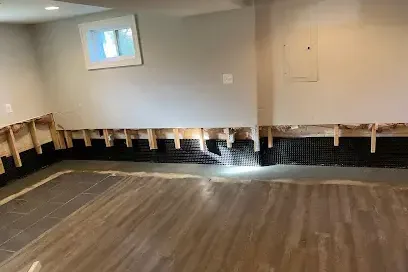 Basement Flooding Cleanup in New BrunswickFinished and unfinished basements pumped out, carpet and wall bottoms opened, the slab dried.Read the full rundown
Water Extraction and Removal in North BrunswickStanding water pulled out with truck-mounted units before it wicks into pad, drywall and framing.Read the full rundown
Water damage restoration in New BrunswickOpen the town page
As soon as it is found. Water soaks into pad, drywall and framing quickly, and wet materials left behind invite mold within a day or two.
Clean-water carpet often can be, since weighted extraction pulls water from the fibers and pad. Gray or flood water usually means the carpet and pad are removed.
Extraction removes liquid water with pumps and extractors. Drying then pulls the moisture that remains in framing, subfloors and walls out through air movers and dehumidifiers.
Yes. Flash flood and river water count as Category 3, so the crew uses containment, protective equipment and cleaning steps before drying starts.
Yes. Portable extractors and quiet hose runs fit stairwells and upper floors, and the crew keeps notes on any shared walls or ceilings below.
Yes. Photograph the water, the source and the damaged items first, because the crew will move furniture and remove materials once work begins.
Water standing in your home? (888) 471-9821.
Pumps, wands and moisture meters go to work as soon as the crew reaches the property.