Rapid local response
Dispatch runs 24/7, and active water is treated as urgent on nights, weekends and holidays.
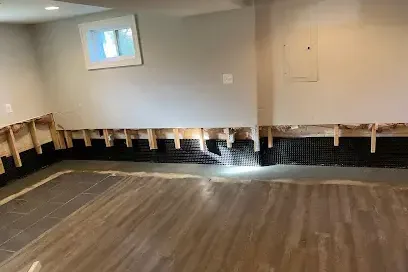
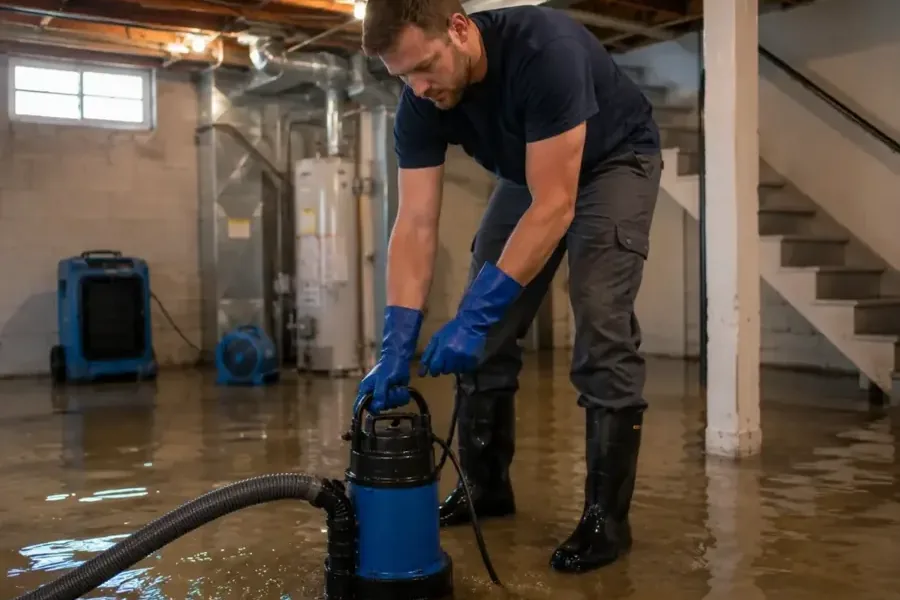
A flooded lower level wets carpet, pad and wall bottoms together, and the water keeps wicking upward. The restoration crew pumps the space dry, strips out materials that cannot recover and dries concrete and framing until meters confirm it.
(888) 471-9821Lower level flooded? Get it pumped out nowDo not step in if the water could reach outlets, the furnace or the electrical panel.
Close the main valve if a pipe or the water heater is feeding the water.
If the pump stopped or lost power, note it for the claim.
Record the water depth, the walls and your belongings before cleanup starts.
Independent restoration contractors do the work. This is how a proper job runs, so you know what to expect and what to ask for.
Dispatch runs 24/7, and active water is treated as urgent on nights, weekends and holidays.
The drying team maps moisture first, then dries the structure until the readings say dry.
Daily moisture readings and timestamped photos taken before demolition, the file an adjuster asks for.
Basements, sump pits, frozen pipes in cold snaps and heavy summer downpours are everyday calls here.
Lower-level flooding cleanup usually runs $3,000 to $15,000, depending on how much of the space is finished, the water category, how deep it got and how fast drying began.
Ranges are typical, not a quote: the water category, the wet square footage, the material class and how fast drying started move the number most. Run the water damage cost calculator for a closer planning range.
Submersible pumps first, then truck-mounted extraction.
Pad, carpet and drywall removed by category.
Containment with LGR and desiccant dehumidifiers.
Readings on floor, walls and framing every day.
Lawrence Brook runs through the middle of the borough, and the 2019 utility plan says high-intensity storms have caused catastrophic flooding in the central area near the Mill Pond and the brook. When water reaches a lower level, the crew treats the whole space as one connected wet zone.
The source sets the water category, and the category decides what stays.
The 2019 plan expects inflow and infiltration in the borough's older sewer system. Inflow and infiltration rise in heavy rain, which can push sewage back up a low drain.
Pad under the carpet acts like a sponge against the concrete, so it rarely survives. Wet drywall pulls water higher over time, which is why the crew opens walls just above the top wet reading, commonly 2 or 4 feet up.
Finishing a basement here needs a building permit from the borough's Construction Office, and so does replacing a water heater, furnace or boiler the water damaged.
Concrete gives up water slowly. The drying team closes off the space, runs LGR dehumidifiers and air movers pointed at the walls and brings in desiccant units when progress stalls. Hot, humid summers slow drying without equipment, so daily readings track every wall and the floor until they match a dry reference.
The FEMA-funded Southern Middlesex Flood Mitigation and Resiliency Study keeps a map where residents can report past flooding. For the cleanup itself, see sump pump failure cleanup and structural drying.
Coverage takes in the whole borough, ZIP 08850, from the Northside and the Southside to Brook Park, North Brook Drive and the streets around the Mill Pond.
The same service nearby: basement flooding cleanup in North Brunswick, New Brunswick, Highland Park.
 Sump Pump Failure Cleanup in MilltownOverflowing pits, dead pumps and power-outage backups extracted and dried before the walls wick.Read the full rundown
Basement Flooding Cleanup in North BrunswickFinished and unfinished basements pumped out, carpet and wall bottoms opened, the slab dried.Read the full rundown
Water damage restoration in MilltownOpen the town page
Most take three to seven days once the water is out. Wet concrete, block or a slow start add time, and the readings, not the calendar, decide when it is finished.
No. The crew opens drywall only where meters show water, usually up to 2 or 4 feet. Drywall that sewage or flood water touched comes out to above the high-water mark.
Finishing a basement requires a building permit from the borough's Construction Office, as does replacing a water heater, furnace or boiler. Drying is mitigation, and rebuilding follows once the space reads dry.
A sudden break, such as a burst pipe or a failed tank, is often covered. Backup through a sump or drain usually needs its own endorsement, and outside flood water needs a separate flood policy. Your own insurer can confirm.
Concrete, block and the bottom plates of the walls keep releasing water into the air. Moisture meters show where, and the equipment stays until those spots read like a dry reference.
Box fans only stir humid air in a closed room. Dehumidifiers have to capture that water, or the concrete and the walls stay wet and the musty smell hangs on.
Water on the lower level now? Call (888) 471-9821.
The restoration crew pumps the space dry, removes what cannot be saved and dries concrete and walls, 24/7.