Rapid local response
Dispatch runs 24/7, and active water is treated as urgent on nights, weekends and holidays.
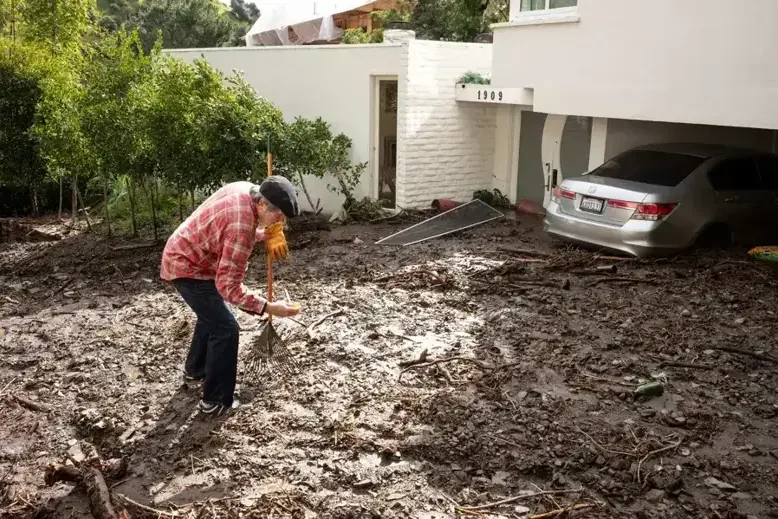
Heavy rain can push water, mud and silt into a house that was dry when the storm began. The response team pumps it out, hauls off the debris and decontaminates what stays.
(888) 471-9821Call after a storm flooded the houseFast water and hidden debris cause injuries, so entry waits.
Breakers for flooded rooms are turned off before anything else.
Flood water carries contamination that does not belong near either.
Marks on walls and soaked items document the depth for the claim.
Independent restoration contractors do the work. This is how a proper job runs, so you know what to expect and what to ask for.
Dispatch runs 24/7, and active water is treated as urgent on nights, weekends and holidays.
The drying team maps moisture first, then dries the structure until the readings say dry.
Daily moisture readings and timestamped photos taken before demolition, the file an adjuster asks for.
Basements, sump pits, frozen pipes in cold snaps and heavy summer downpours are everyday calls here.
Flash flood cleanup runs from $5,000 for an unfinished lower level to $30,000 or more when a finished basement and the main floor both took water, since storm water adds cleaning, containment and tear-out.
Ranges are typical, not a quote: the water category, the wet square footage, the material class and how fast drying started move the number most. Run the water damage cost calculator for a closer planning range.
Storm water is pumped and mud shoveled.
Surfaces are washed and treated.
Soaked drywall and pad are removed.
Dehumidifiers run to the dry goal.
Flash flooding does not arrive clean. It brings soil, yard chemicals and sometimes sewage, which is why the extraction crew handles it under contamination rules and does not treat it as an ordinary wet floor.
Lawrence Brook runs through the center of the borough, and a dam under Main Street holds back the Mill Pond. The borough is one of ten Southern Middlesex County municipalities in a FEMA-funded study of recent, nuisance and chronic flooding.
The study keeps a flood map where past flooding can be reported, and a resident survey.
Mud dries into a fine silt that settles into carpet backing, floor seams and wall bottoms, so the crew washes and vacuums before any drying begins.
Only after that do air movers and dehumidifiers go in, because drying dirty materials locks the contamination in. Lower-level pump-outs are detailed under basement flooding cleanup.
Hurricane Irene brought low-lying, poor drainage and roadway flooding across Middlesex County, and the remnants of Hurricane Ida hit New Jersey with historic flooding. Those were regional events rather than reports about particular streets, but they show how much water one storm can deliver. A failed pump during such a storm is covered under sump pump failure cleanup.
The borough's 2019 plan says projects advanced to relocate the electrical substation and the Public Works facility out of the flood zone, and it recommends storm drainage work with Middlesex County along North Main Street.
Storm cleanup runs across the borough, including the central streets around the Mill Pond, Main Street and North Main Street, the stretch beside Brook Park on North Brook Drive, and the Southside.
The same service nearby: flash flood cleanup in North Brunswick, New Brunswick, Highland Park.
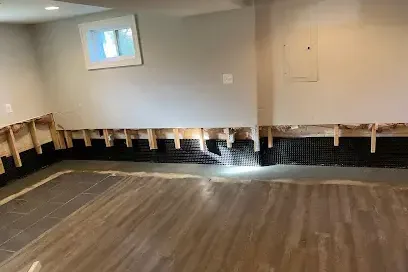 Basement Flooding Cleanup in MilltownFinished and unfinished basements pumped out, carpet and wall bottoms opened, the slab dried.Read the full rundown
Flash Flood Cleanup in North BrunswickRising water from cloudbursts and tropical remnants, handled as contaminated water from the start.Read the full rundown
Water damage restoration in MilltownOpen the town page
It runs over yards, roads and drains before it reaches the house, collecting soil, chemicals and sometimes sewage, so the crew follows contamination rules.
Hard items such as tile, solid wood furniture and sealed appliances usually clean up, while carpet, pad, upholstery and particleboard that sat in flood water are usually discarded.
Standard homeowner policies often exclude flood water, which is why owners ask the carrier directly about separate flood coverage and why photos and drying records matter either way.
Drying equipment moves air through the room, and blowing it over silt and residue spreads contamination while baking dirt into porous materials, so cleaning always comes first.
Not until a qualified electrician or heating contractor checks them, since flood water can damage panels, boilers and furnaces, and replacing a boiler or furnace needs a building permit.
Storm water in the house? (888) 471-9821.
The response team pumps out the storm water, hauls the mud and decontaminates what stays, then dries the structure with logged readings.