Rapid local response
Dispatch runs 24/7, and active water is treated as urgent on nights, weekends and holidays.
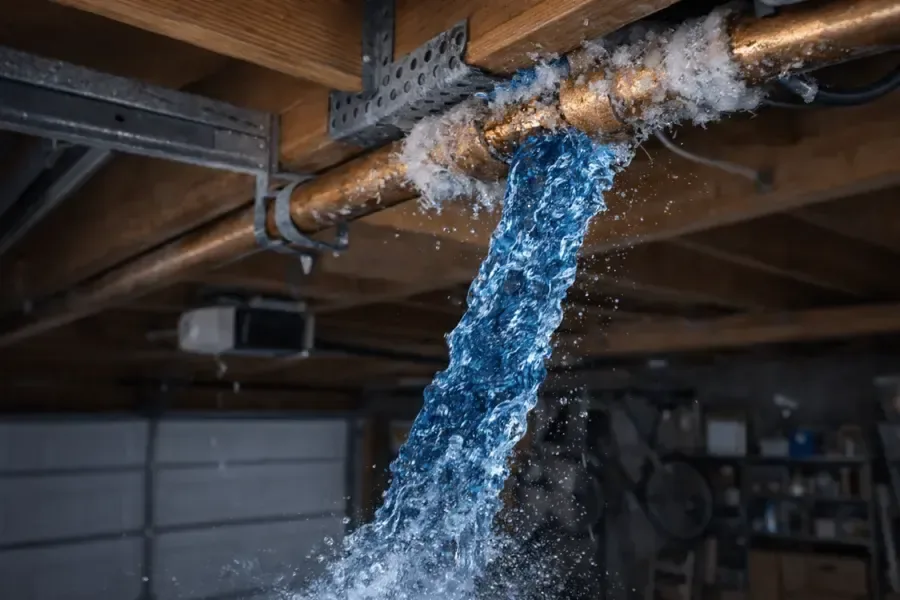
A burst supply pipe can release a great deal of water before anyone notices. The restoration team stops the spread, removes the water and dries every layer it reached, from ceiling to subfloor.
(888) 471-9821Report a burst pipe and a wet ceilingTurn the water off at the main shutoff to stop the flow.
Breakers for rooms with dripping ceilings or soaked outlets come off.
Furniture, rugs and electronics move out of the drip zone.
Pictures of the pipe, the water and the damage support the claim.
Independent restoration contractors do the work. This is how a proper job runs, so you know what to expect and what to ask for.
Dispatch runs 24/7, and active water is treated as urgent on nights, weekends and holidays.
The drying team maps moisture first, then dries the structure until the readings say dry.
Daily moisture readings and timestamped photos taken before demolition, the file an adjuster asks for.
Basements, sump pits, frozen pipes in cold snaps and heavy summer downpours are everyday calls here.
Burst pipe cleanup runs from $1,500 when the break is caught quickly to $12,000 or more when water ran for hours through several floors and rooms. Ceiling and flooring removal drive most of the difference.
Ranges are typical, not a quote: the water category, the wet square footage, the material class and how fast drying started move the number most. Run the water damage cost calculator for a closer planning range.
The break is found and the main closed.
Pumps and extractors clear floors.
Ceilings and walls open where readings say.
Equipment runs until each layer is dry.
Pressurized water behaves differently from a slow drip. A burst pipe sprays into cavities, runs along joists and drops through ceilings, so the mitigation team starts with the water path rather than the first wet spot it sees.
The borough's 2019 plan calls many water mains old, and winters here are generally cold. A hard freeze is one common way a household pipe ends up split, though joints, fittings and worn hoses fail in every season.
The source gets repaired by a plumber, while the response team handles everything the water touched. Freeze splits are covered under frozen pipe water damage.
Moisture meters and thermal imaging trace the path from the break, floor by floor. Ceilings that hold water get a controlled opening so they do not collapse, and wet insulation is removed because it keeps water against the framing.
Rooms below the break are checked even when they look dry.
Insurance carriers ask what failed, when it failed and how long the water ran. The restoration team photographs the broken section, keeps the readings from every visit and lists each material removed. The drying approach follows the methods under structural drying.
Water pressure is what turns a split pipe into a flood, so closing the main shutoff first cuts the volume the drying team has to remove.
The response team covers the whole borough, from the area around Joffre Avenue and Janet Court to the stretch along Washington Avenue and the streets near Gloria Bradford Borough Park.
The same service nearby: burst pipe water damage in North Brunswick, New Brunswick, Highland Park.
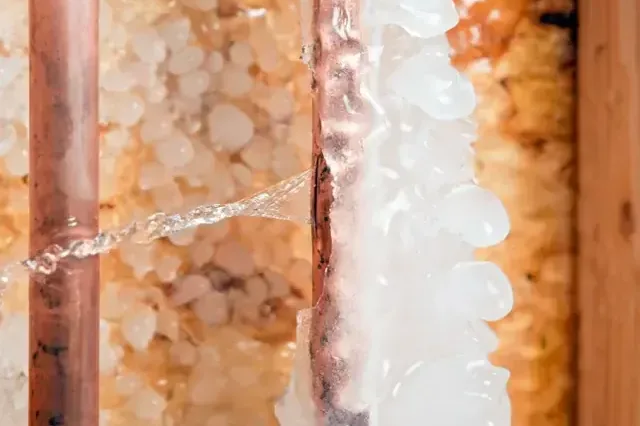 Frozen Pipe Water Damage in MilltownPipes that split in a cold snap, traced through garage ceilings and outside walls and dried.Read the full rundown
Burst Pipe Water Damage in North BrunswickPressurized supply failures inside walls and ceilings, extracted after the shutoff and dried.Read the full rundown
Water damage restoration in MilltownOpen the town page
Stopping the flow at the main valve comes first, then cutting power to wet areas and calling for extraction before the water settles into framing.
Sometimes, if the water was clean and the board stayed firm, but ceilings that sag or walls soaked past the bottom edge are usually cut open and replaced.
A plumber repairs the pipe, though the mitigation team's moisture mapping often shows where the water started, which helps both the repair and the claim.
Yes. Water drops through ceilings and floor openings, so the drying team checks every level under the break and often removes ceiling drywall to let the cavity breathe.
Most jobs need several days of equipment, longer when subfloor, insulation or hardwood is involved, and daily readings decide when the machines come out.
Pipe burst and water still running? (888) 471-9821.
The restoration team traces the break's path, pulls the water out and keeps readings the claim can lean on.