Rapid local response
Dispatch runs 24/7, and active water is treated as urgent on nights, weekends and holidays.
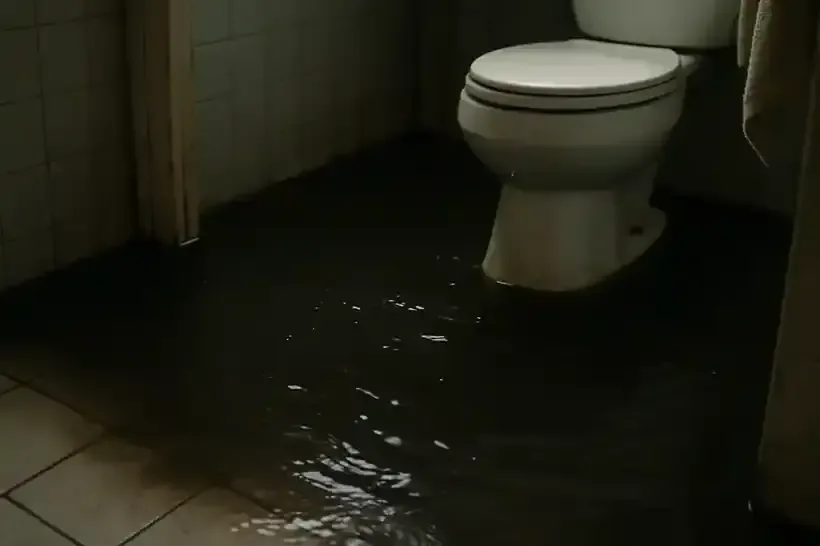
Sewage in a house is a health hazard, not just a mess. The response team wears protective gear, contains the area, removes the waste and disinfects everything the water touched.
(888) 471-9821Call about sewage coming up a drainNothing is flushed or run, and people and pets leave the area.
Breakers for wet outlets come off before anything electrical is touched.
Bleach and towels spread contamination into porous materials, so protective gear matters.
Pictures before cleanup support the insurance claim.
Independent restoration contractors do the work. This is how a proper job runs, so you know what to expect and what to ask for.
Dispatch runs 24/7, and active water is treated as urgent on nights, weekends and holidays.
The drying team maps moisture first, then dries the structure until the readings say dry.
Daily moisture readings and timestamped photos taken before demolition, the file an adjuster asks for.
Basements, sump pits, frozen pipes in cold snaps and heavy summer downpours are everyday calls here.
Sewage backup cleanup runs from $3,000 for an unfinished floor to $15,000 or more for a large or deep backup, because containment, protective gear and tear-out of porous materials all add labor.
Ranges are typical, not a quote: the water category, the wet square footage, the material class and how fast drying started move the number most. Run the water damage cost calculator for a closer planning range.
Plastic walls and negative air seal the work area.
Sewage is pumped out and porous materials come out.
Hard surfaces are scrubbed and treated.
Equipment runs until readings are normal.
Backups arrive through the lowest drain, usually a floor drain, a toilet or a tub. The extraction crew treats everything the water reached as contaminated, because sewage carries bacteria that soak into porous materials and linger.
The borough owns its sewer system, and all of its sewage flows to the Middlesex County Utilities Authority and its treatment plant in Sayreville. The Church Street Pump Station sends it through a force main under Main Street, and a pump station on Riva Avenue serves the western part of town.
The 2019 plan expects inflow and infiltration problems because the system is old and parts of it sit close to water bodies, and it notes more frequent breaks in the Main Street force main as its pipes age.
The mitigation team seals the work area with plastic, sets HEPA air scrubbers and removes sewage-soaked carpet, pad and drywall before anything is dried.
Only after disinfection do dehumidifiers and air movers run, following the steps under structural drying.
A clog in the house drain usually backs up the lowest fixture, while a blockage in the sewer main can push water into several homes. Either way the cleanup is the same, and the cause is a plumbing or utility matter outside the drying work. Storm-driven overflow is covered under flash flood cleanup.
Until the drain is cleared, every toilet, tub and sink stays unused, because each flush or drain can push more sewage into the house.
Sewage backups are handled across the borough, from the central stretch of Main Street and the area around the Mill Pond to the western part of town and the streets near Washington Avenue.
The same service nearby: sewage backup cleanup in North Brunswick, New Brunswick, Highland Park.
 Condo and Townhouse Leak Cleanup in MilltownOne leak spreading through shared walls and stacked units, mapped unit by unit.Read the full rundown
Sewage Backup Cleanup in North BrunswickFloor drain and toilet backups treated as Category 3, porous materials out, surfaces disinfected.Read the full rundown
Water damage restoration in MilltownOpen the town page
Yes. Sewage carries bacteria and viruses, and each day it sits in carpet, drywall or insulation lets contamination spread deeper, so containment and removal come first.
Hard, nonporous items such as tile, glass and metal can be cleaned and disinfected, while carpet, pad, upholstery, drywall and insulation that touched the water are discarded.
The crew wears respirators, gloves, boots and disposable suits, and each piece is bagged or sanitized before leaving the containment so nothing is carried into clean rooms.
Coverage often depends on an endorsement for sewer or drain backup, so the policy language is worth checking early, and photos, receipts and logged readings support whatever claim follows.
Containment, removal and disinfection usually fill the first visit, and structural drying then runs several more days with readings each day before the area is released.
A plumber clears the blockage so the backup stops, and the cleanup can then begin or run alongside that work, since active sewage keeps adding to the job.
Sewage coming up a drain? (888) 471-9821.
The response team seals the area, removes the waste and disinfects every surface, then dries the structure with documented readings.