Rapid local response
Dispatch runs 24/7, and active water is treated as urgent on nights, weekends and holidays.
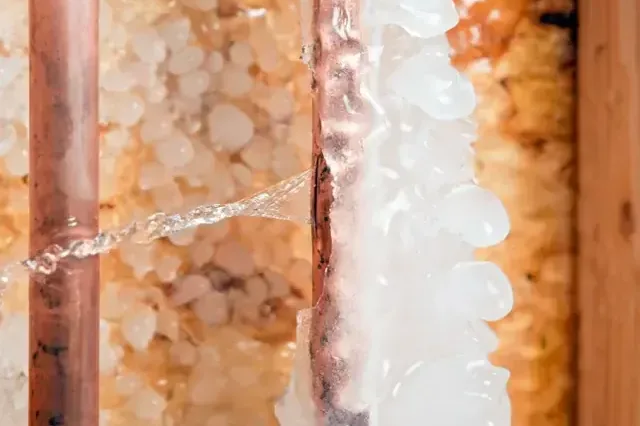
Ice hides a split until the pipe thaws, and then water pours into the wall or ceiling all at once. The drying team removes the water, opens what soaked and dries the cavity behind it.
(888) 471-9821Call about a pipe that split in the coldWater stops feeding the break once the main valve is turned off.
Opening taps lets the remaining water in the pipes drain.
Breakers for wet rooms and wet ceilings come off.
Pictures of the split pipe, wet ceiling and soaked items support the claim.
Independent restoration contractors do the work. This is how a proper job runs, so you know what to expect and what to ask for.
Dispatch runs 24/7, and active water is treated as urgent on nights, weekends and holidays.
The drying team maps moisture first, then dries the structure until the readings say dry.
Daily moisture readings and timestamped photos taken before demolition, the file an adjuster asks for.
Basements, sump pits, frozen pipes in cold snaps and heavy summer downpours are everyday calls here.
Frozen pipe jobs run from $1,500 for one wet wall or ceiling to $10,000 or more when a long-running break soaks several rooms, with flooring and ceilings usually driving the final cost of those larger jobs.
Ranges are typical, not a quote: the water category, the wet square footage, the material class and how fast drying started move the number most. Run the water damage cost calculator for a closer planning range.
Supply is closed and standing water is pumped or vacuumed.
Moisture meters and a camera follow it through walls and ceilings.
Wet insulation and sagging drywall are removed.
Air movers and dehumidifiers run until the wood reads normal.
A frozen pipe often does no harm while it is frozen. The flood starts at the thaw, when the split opens and water runs for as long as the supply stays on, sometimes while the house is empty.
The borough has generally cold winters, and a cold snap in January 2018 froze water mains and pipes across New Jersey. That was a regional event, but it shows what a hard freeze does to pipes in unheated spaces.
Wherever the break was, the restoration team follows the water down through ceilings and into the rooms below.
Once the supply is shut, the extraction crew removes standing water, and moisture meters trace where it traveled. Insulation soaked in a wall rarely dries by itself, and a wet ceiling can sag, so the mitigation team opens those areas under control.
Dehumidifiers then run until the framing reads dry.
If the freeze or flood took out a boiler or furnace, replacing it needs a building permit from the borough's Construction Office, and PSE&G supplies natural gas throughout town. The drying plan is kept moving while those repairs are arranged. The drying itself follows structural drying, and related causes are covered under burst pipe water damage.
Locating the main shutoff before winter is the cheapest protection, and the borough's meter replacement program, which needs access to the meter inside the home, is a good prompt to find it.
Frozen pipe jobs run across the borough, from East Lawrence Street and Herbert Avenue to the area around Pardun Avenue and the streets near Brook Park.
The same service nearby: frozen pipe water damage in North Brunswick, New Brunswick, Highland Park.
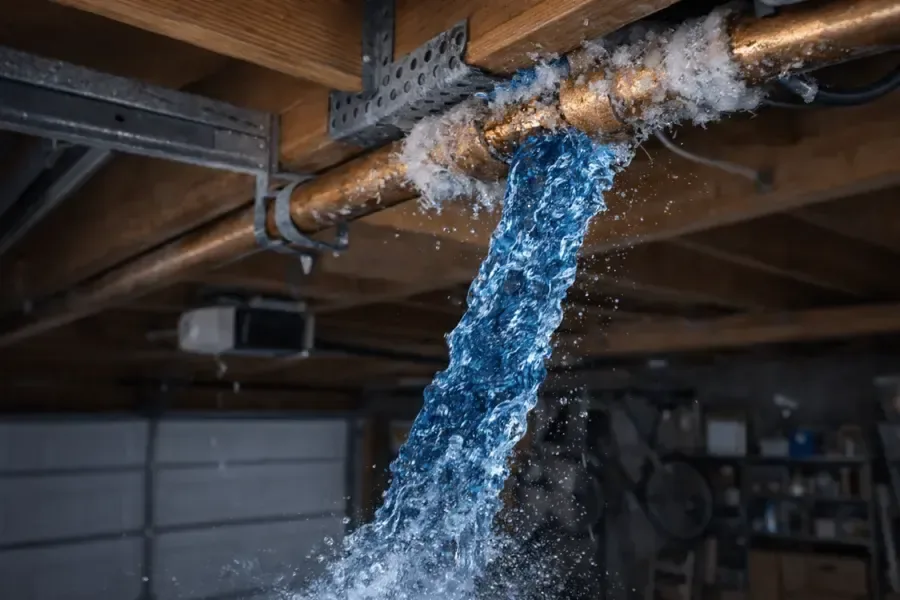 Burst Pipe Water Damage in MilltownPressurized supply failures inside walls and ceilings, extracted after the shutoff and dried.Read the full rundown
Frozen Pipe Water Damage in North BrunswickPipes that split in a cold snap, traced through garage ceilings and outside walls and dried.Read the full rundown
Water damage restoration in MilltownOpen the town page
Yes. Thawing is when it leaks, so shutting the main valve first and opening the taps keeps the thaw from turning into a flood.
Ice can plug a split completely. When it melts, pressure pushes water through the crack, and the leak can run behind a wall for a while unnoticed.
Not always. Moisture readings decide it, and small access holes with directed air sometimes dry a cavity, but soaked insulation almost always has to come out.
Sudden bursts are commonly covered, though policies differ on vacant homes and neglected heat, so photos, readings and the plumber's repair record help the claim.
Drying should start within the first day or two, because wet framing and drywall can turn musty and begin to grow mold if they stay damp past that.
Pipe split in the cold? (888) 471-9821.
The response team shuts down the water, removes what soaked and dries the cavity behind it, with photos and readings for the claim.