Rapid local response
Dispatch runs 24/7, and active water is treated as urgent on nights, weekends and holidays.
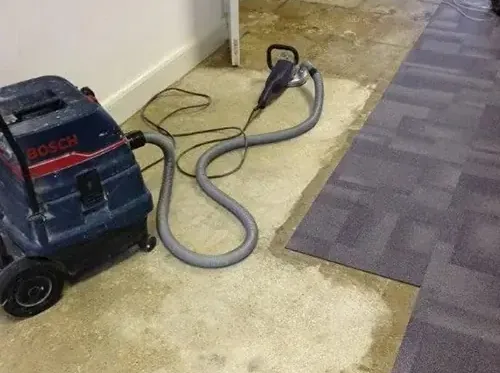
Submersible pumps clear deep water first, then a truck-mounted extractor pulls what soaked into carpet, pad and wood, so the drying team can begin with a floor that can still be saved.
(888) 471-9821Call about water standing in the houseWater near outlets and panels can carry current, so the breaker comes off before anyone wades in.
Close the main shutoff or the failed valve so the water stops adding to the job.
Rugs, electronics and paper go up onto dry surfaces.
Pictures of depth and soaked items support the claim later.
Independent restoration contractors do the work. This is how a proper job runs, so you know what to expect and what to ask for.
Dispatch runs 24/7, and active water is treated as urgent on nights, weekends and holidays.
The drying team maps moisture first, then dries the structure until the readings say dry.
Daily moisture readings and timestamped photos taken before demolition, the file an adjuster asks for.
Basements, sump pits, frozen pipes in cold snaps and heavy summer downpours are everyday calls here.
Water extraction typically runs from $500 to $6,000, with the final figure set by the number of rooms, the type of flooring and how deep the water stood. Contaminated storm water costs more than a clean supply leak.
Ranges are typical, not a quote: the water category, the wet square footage, the material class and how fast drying started move the number most. Run the water damage cost calculator for a closer planning range.
Submersible pumps drop the depth to a thin film.
Truck-mounted wands pull water from carpet, pad and seams.
Moisture meters map what stayed wet behind trim.
Air movers and dehumidifiers take over from the pumps.
Standing water in a house keeps soaking in while anyone waits. The extraction crew works from the deepest water outward, pumping first and then pulling moisture out of fibers and seams that a pump cannot reach. In a borough where the median home was built in 1963, water also hides under old trim and behind baseboards.
The crew sorts the loss before any hose is unrolled.
Those readings become the baseline the dehumidifiers are measured against later.
The borough's 2019 Utility Service Plan Element describes catastrophic flooding in the central part of town near the Mill Pond and Lawrence Brook after high intensity storms. Pumping that kind of water out quickly limits how far it climbs into walls and cabinets.
Water carried in by a storm is treated as contaminated, which changes what can be kept. Deeper lower-level water is covered under basement flooding cleanup.
Extraction removes the bulk of the water, but the structure still holds moisture that no wand can lift. The drying team places air movers and LGR dehumidifiers, then returns to the readings each day until the wet materials match dry reference points. Leaving damp subfloor behind is how a clean-looking room turns musty in the first day or two. The drying side of the job is spelled out under structural drying.
Carpet pad holds water like a sponge and rarely dries in place, so the extraction crew usually lifts it while the carpet itself can often be dried and reset.
The extraction crew works anywhere in the borough, from the central streets near the Mill Pond and Main Street to the area around Albert Avenue and the eastern edge at Ryders Lane.
The same service nearby: water extraction and removal in North Brunswick, New Brunswick, Highland Park.
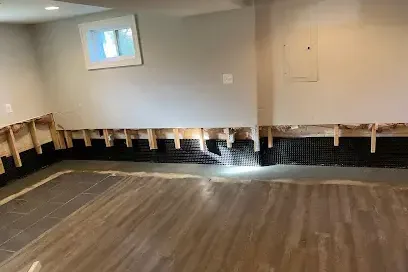 Basement Flooding Cleanup in MilltownFinished and unfinished basements pumped out, carpet and wall bottoms opened, the slab dried.Read the full rundown
Water Extraction and Removal in North BrunswickStanding water pulled out with truck-mounted units before it wicks into pad, drywall and framing.Read the full rundown
Water damage restoration in MilltownOpen the town page
No. Pumps and wands remove visible water, while framing, subfloor and wall bottoms hold moisture that dehumidifiers and air movers draw out over the following days.
Often yes, if the water was clean and the carpet is extracted and dried quickly. The pad underneath is the weak point and is usually replaced.
Yes. Floodwater collects soil and sewage on the way in, so the response team wears protective gear, disinfects what stays and removes porous materials that cannot be made safe.
The drying team scans adjoining rooms, closets, baseboards and the floor below with moisture meters, since water spreads past what is visible and rarely stops at a doorway.
The restoration team records depth, affected materials and daily moisture readings with photos, giving the carrier the same evidence a claim adjuster asks for.
A few rooms of wet carpet are usually finished in a single visit, while a deeply flooded lower level can need pumps running through several rounds as water keeps seeping in.
Water on the floor right now? (888) 471-9821.
The extraction crew pumps, extracts and starts drying, then keeps a daily record for the claim file.