Rapid local response
Dispatch runs 24/7, and active water is treated as urgent on nights, weekends and holidays.
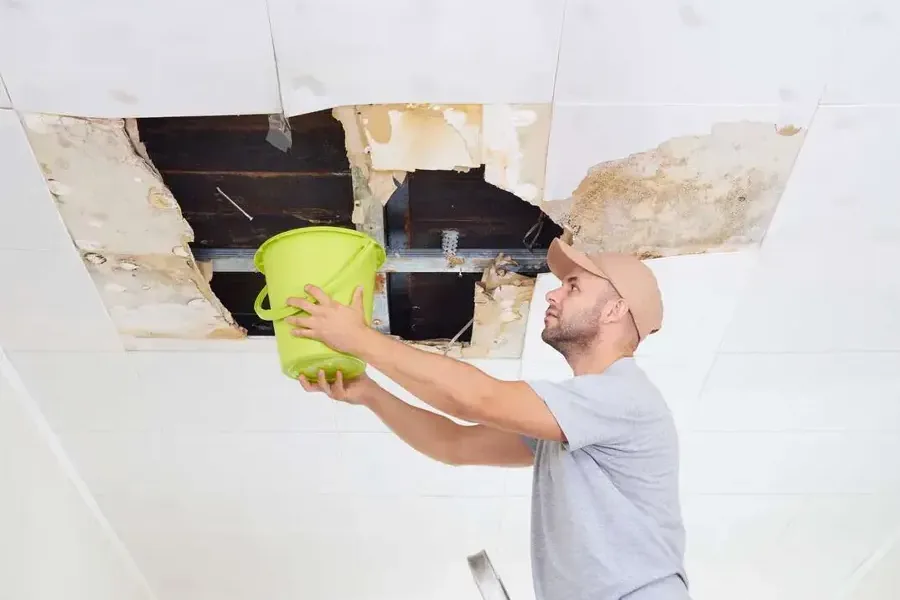
A ceiling stain is the last stop for water that started somewhere above it. The drying team traces the source, opens the wet section in a controlled way and dries the joists before the ceiling is closed up again.
(888) 471-9821Call about a dripping or bulging ceilingBuckets under drips and plastic over furniture limit the spread.
A wet fixture is a shock risk, so its breaker comes off.
A bulging ceiling can fall, so people and pets stay clear.
Pictures from several angles show the size and the source.
Independent restoration contractors do the work. This is how a proper job runs, so you know what to expect and what to ask for.
Dispatch runs 24/7, and active water is treated as urgent on nights, weekends and holidays.
The drying team maps moisture first, then dries the structure until the readings say dry.
Daily moisture readings and timestamped photos taken before demolition, the file an adjuster asks for.
Basements, sump pits, frozen pipes in cold snaps and heavy summer downpours are everyday calls here.
Ceiling leak cleanup runs from $800 for a small stain dried in place to $6,000 or more when two levels are wet, and cutting out ceiling sections and drying the floor above moves the price most.
Ranges are typical, not a quote: the water category, the wet square footage, the material class and how fast drying started move the number most. Run the water damage cost calculator for a closer planning range.
Meters and a camera follow water to its entry point.
Wet drywall comes down in sections.
Air movers and a dehumidifier dry the joists.
Readings sign off the cavity first.
About 2,461 of the borough's 2,753 housing units are single-family detached homes, so a ceiling leak here usually comes from the roof or from plumbing above, not from a neighbor. The restoration team works out which before drying begins.
A brown ring, a bubble in the paint or a soft spot each says something different about how long water has been collecting and how much sits above.
Moisture meters and a thermal camera confirm the real size before anything is cut.
A ceiling that holds water can drop all at once, and the water is often dirty from insulation and attic dust. The mitigation team opens a small relief hole when needed, removes the wet section in pieces and bags the insulation as it comes down.
Leaks that began on the roof are also covered under roof leak and ice dam water damage.
When a bathroom, a water heater or a supply hose sits above the stain, the repair is a plumbing job. Kitchen or bathroom work that moves sink or appliance plumbing needs a building permit from the Construction Office, and the drying can run alongside it. The drying scope is covered under structural drying.
Drywall goes back only when the framing reads dry, because closing wet joists under fresh board brings back the stain and the musty smell.
Ceiling leak calls come from across the borough, including the area around Pardun Avenue and Janet Court, the blocks near Mill Pond Park and the central stretch of Main Street.
The same service nearby: ceiling leak water damage in North Brunswick, New Brunswick, Highland Park.
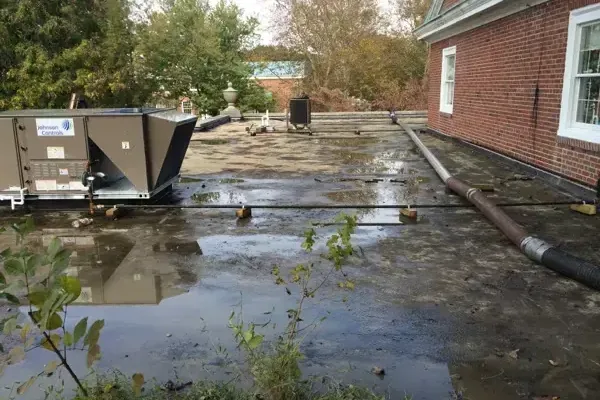 Roof Leak and Ice Dam Water Damage in MilltownWind-driven rain and ice dams that soak attic insulation and ceilings, traced and dried.Read the full rundown
Ceiling Leak Water Damage in North BrunswickBathroom, supply and drain leaks from the floor above, with the drywall opened safely.Read the full rundown
Water damage restoration in MilltownOpen the town page
No. Bathrooms, water heaters, supply hoses and upper floor appliances can cause ceiling leaks too, so the source is traced before anyone blames the roof.
Not safely. Paint hides the stain but traps moisture, and if the drywall or insulation above is still wet, the stain returns and the framing keeps absorbing water.
Rarely. Only the wet section and a margin around it are removed, which is usually a fraction of the room, and readings decide where the cut stops.
Sudden leaks from plumbing or storm openings are commonly covered, while slow seepage from neglect often is not, so a dated record of the cause and the readings helps.
If water is still running, the main shutoff and a plumber come first. Once the source is stopped, the drying team removes the wet material and dries the cavity.
Ceiling dripping or bulging? (888) 471-9821.
The drying team finds the source, opens the wet section under control and dries the joists, with readings logged for the claim.