Rapid local response
Dispatch runs 24/7, and active water is treated as urgent on nights, weekends and holidays.
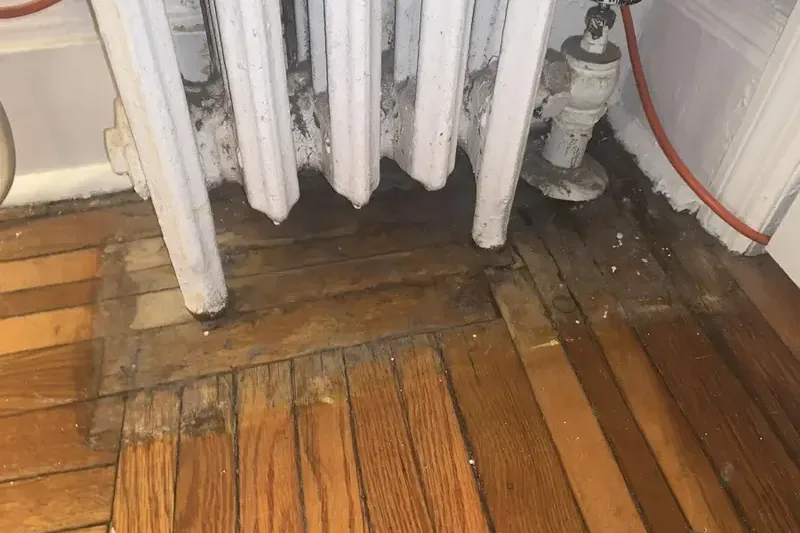
In a building with shared walls, floors and ceilings, one leak can reach several homes. The restoration team maps the water unit by unit, dries the cavities between them and keeps separate records for each household involved.
(888) 471-9821Leak from next door or above? Call nowTell the building manager so shared valves can be shut off.
Shut off the fixture or appliance valve in your own unit.
Capture stains, wet floors and damaged belongings in each space.
Water may be crossing walls into other units.
Independent restoration contractors do the work. This is how a proper job runs, so you know what to expect and what to ask for.
Dispatch runs 24/7, and active water is treated as urgent on nights, weekends and holidays.
The drying team maps moisture first, then dries the structure until the readings say dry.
Daily moisture readings and timestamped photos taken before demolition, the file an adjuster asks for.
Basements, sump pits, frozen pipes in cold snaps and heavy summer downpours are everyday calls here.
Cleanup runs $1,500 to $3,000 for one room in one unit, $3,000 to $6,000 for two units and $6,000 to $10,000 or more for three units or a drain backup.
Ranges are typical, not a quote: the water category, the wet square footage, the material class and how fast drying started move the number most. Run the water damage cost calculator for a closer planning range.
Meters trace water through shared walls.
Water is removed and wet sections opened.
Air movers and LGR units run in each unit.
Photos and readings go to every household.
A leak in one apartment rarely stays there. Water follows pipes, joists and wall cavities into the ceiling below and the walls next door, which is why the first job is a map of every wet space.
The borough has apartment buildings, and renters live in most occupied homes, since the owner-occupied rate is 40.3 percent, so one failure often involves a building manager, several households and more than one insurer.
Access, noise and timing all need coordination. The crew works with the manager, protects common areas and opens only the sections that readings flag.
The drying team keeps a moisture map of each unit, dated photos and daily logs. A leak from above often turns into a ceiling leak water damage job below, and a backed-up shared drain follows the sewage backup cleanup steps.
Building managers can shut off shared valves and arrange access, so reporting the leak right away limits how many units get wet.
Shared-wall leaks are handled in buildings across the borough, on the north side and the south side, from the blocks around Raritan Avenue and Woodbridge Avenue to the area around Cedar Lane.
The same service nearby: condo and townhouse leak cleanup in North Brunswick, New Brunswick, Milltown.
Water damage restoration in Highland Park · every town covered
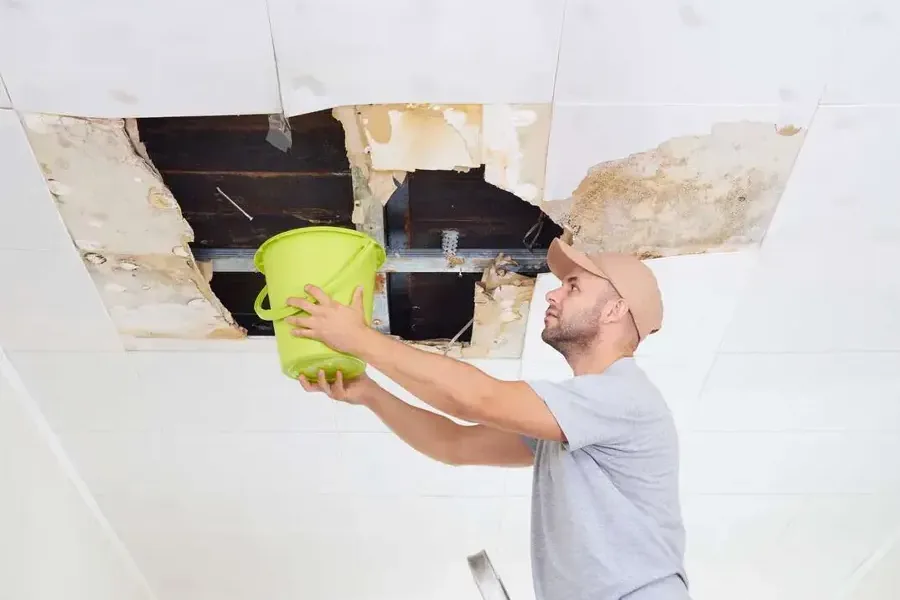 Ceiling Leak Water Damage in Highland ParkBathroom, supply and drain leaks from the floor above, with the drywall opened safely.Read the full rundown
Condo and Townhouse Leak Cleanup in North BrunswickOne leak spreading through shared walls and stacked units, mapped unit by unit.Read the full rundown
Water damage restoration in Highland ParkOpen the town page
That depends on the building rules, the lease and the cause. The drying team documents the source and the spread so owners, tenants and insurers work from the same facts.
A renter policy often covers belongings damaged by a sudden leak, while the building's own policy usually covers the structure. Each policy and insurer decide, so check both.
Yes, with permission from each household. One drying plan covers shared cavities, and each unit still gets its own moisture map and records.
Water can leak at a shared drain or riser and appear in several units at once, so the crew checks the chase and the ceilings below before calling a unit dry.
Backup water is Category 3 in every unit it touched, so each affected area gets protective gear, removal of porous materials, cleaning and treatment before drying begins.
Water crossing into the next unit? Call (888) 471-9821.
The restoration team maps every wet unit, dries the shared cavities and keeps separate records for each household.