Rapid local response
Dispatch runs 24/7, and active water is treated as urgent on nights, weekends and holidays.
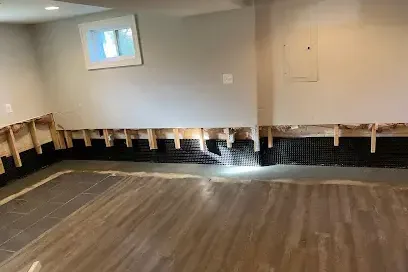
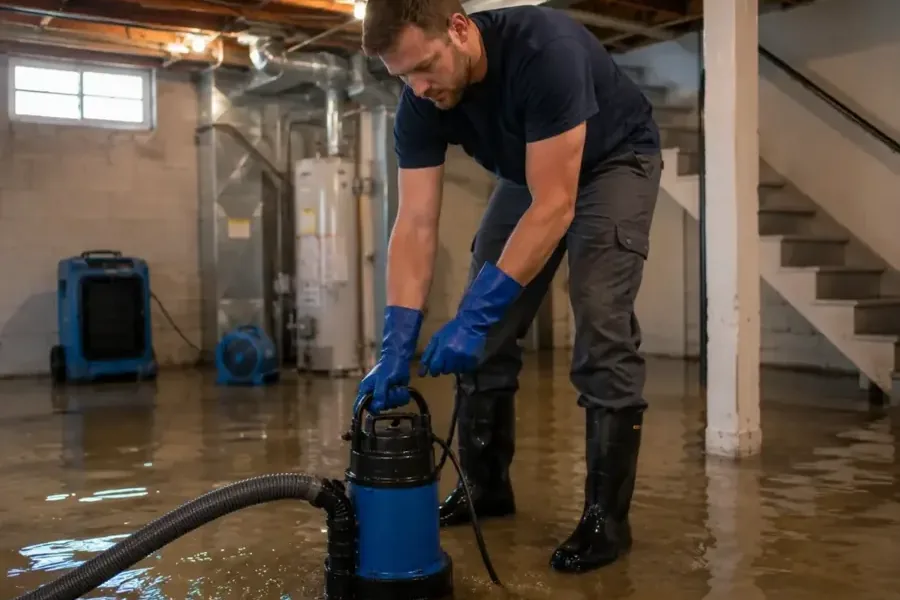
When heavy rain or a failed fixture floods a basement, the crew pumps out the water, removes what cannot be dried and dries the slab and walls to measured readings, keeping the records an insurance claim needs.
(888) 471-9821Basement under water? Call for a pump-outIf water reaches outlets, appliances or the furnace, turn power off only from a dry spot.
Standing water can hide hazards, and flood water may be contaminated.
Raise boxes, cords and small furniture off the floor before help starts.
Take pictures of the high-water mark and the damaged belongings before cleanup starts.
Independent restoration contractors do the work. This is how a proper job runs, so you know what to expect and what to ask for.
Dispatch runs 24/7, and active water is treated as urgent on nights, weekends and holidays.
The drying team maps moisture first, then dries the structure until the readings say dry.
Daily moisture readings and timestamped photos taken before demolition, the file an adjuster asks for.
Basements, sump pits, frozen pipes in cold snaps and heavy summer downpours are everyday calls here.
Basement flooding cleanup runs $3,000 to $5,500 unfinished, $5,500 to $9,000 partly finished and $9,000 to $15,000 or more when finished or flood water is involved.
Ranges are typical, not a quote: the water category, the wet square footage, the material class and how fast drying started move the number most. Run the water damage cost calculator for a closer planning range.
The water leaves the lowest point first.
Wet pad, carpet and low drywall come out.
LGR and desiccant units run for days.
Equipment stays until meters read dry.
A flooded basement is a pumping job first and a drying job second. Ida showed what one storm can do, with National Weather Service observers in the borough recording 7.98 inches of rain by the morning of September 2, 2021, and water always finds the lowest floor.
A regional watershed group says almost half the ground in town is buildings and pavement, so rain has few places to soak in and runs toward street drains. Water that cannot drain away looks for a way into the house.
Carpet pad soaks up water and cannot be dried in place, so it goes. Drywall wicks water upward, so the crew cuts it above the wet mark and opens the cavity.
Concrete and block release water slowly. The drying team seals the area, runs LGR dehumidifiers and air movers, adds desiccant units when readings stall and checks the slab and walls each day until they match a dry reference.
A failed pump is often the start of it, so the sump pump failure cleanup page covers that case.
New drywall and flooring go over the structure only after readings show it is dry, or the moisture stays trapped behind the finish.
Basement work runs across the north side and the south side, from the houses of Livingston Manor to the streets near Woodbridge Avenue and the stretch of River Road beside the Raritan River.
The same service nearby: basement flooding cleanup in North Brunswick, New Brunswick, Milltown.
Water damage restoration in Highland Park · every town covered
 Sump Pump Failure Cleanup in Highland ParkOverflowing pits, dead pumps and power-outage backups extracted and dried before the walls wick.Read the full rundown
Basement Flooding Cleanup in North BrunswickFinished and unfinished basements pumped out, carpet and wall bottoms opened, the slab dried.Read the full rundown
Water damage restoration in Highland ParkOpen the town page
Clean water caught early often dries in three to five days. Soaked slabs, block walls or a long wait can stretch it past a week, and meters, not the calendar, decide when equipment leaves. Equipment details sit under structural drying.
Yes, because a stuck float or a dead motor can refill the room. The crew checks the pit and the discharge before and after pumping, then reports whether the pump looks like the cause.
No. Clean water caught early can sometimes be dried in place. Drywall that touched flood water or sewage, sags, or keeps reading wet after drying starts is cut out and replaced later.
Not without caution. Rain that crosses the ground and water from drains or outside flooding is treated as contaminated, so the crew wears protective gear and cleans and treats surfaces after removal.
It depends on the cause. A sudden pipe or tank failure is often covered, sump overflow and sewer backup usually need an added endorsement, and outside flood water needs a flood policy. The policy has the final word.
The high-water mark, the source if it is visible, damaged belongings and any appliances that sat in water. Dated photos taken before demolition support the claim.
Is the basement floor under water? Call (888) 471-9821.
The restoration team clears the water, strips out soaked materials and dries the slab and walls until meters read dry.