Rapid local response
Dispatch runs 24/7, and active water is treated as urgent on nights, weekends and holidays.
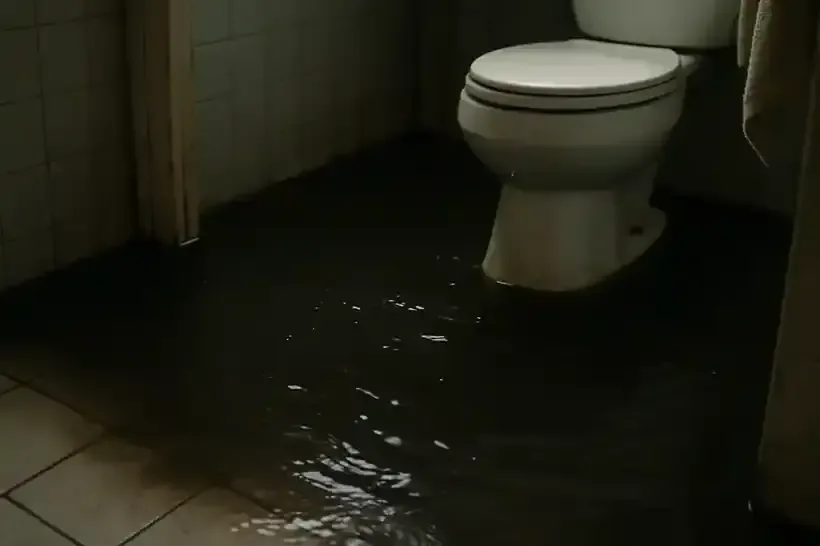
Sewage is Category 3 the moment it backs up a drain. The restoration team contains the area, removes what it touched, cleans and treats the surfaces and only then dries the structure.
(888) 471-9821Sewage coming up a drain? Call for cleanupKeep people and pets away from the affected rooms.
Do not run sinks, tubs, toilets or washers.
Call the borough's water and sewer emergency contact, or borough police after hours.
Record the affected rooms before any cleanup begins.
Independent restoration contractors do the work. This is how a proper job runs, so you know what to expect and what to ask for.
Dispatch runs 24/7, and active water is treated as urgent on nights, weekends and holidays.
The drying team maps moisture first, then dries the structure until the readings say dry.
Daily moisture readings and timestamped photos taken before demolition, the file an adjuster asks for.
Basements, sump pits, frozen pipes in cold snaps and heavy summer downpours are everyday calls here.
Sewage backup cleanup runs $3,000 to $5,000 for an unfinished basement floor, $5,000 to $9,000 for a finished basement room and $9,000 to $15,000 or more for a large or deep backup.
Ranges are typical, not a quote: the water category, the wet square footage, the material class and how fast drying started move the number most. Run the water damage cost calculator for a closer planning range.
Plastic barriers and protective gear go up first.
Contaminated water and porous materials leave.
Surfaces are scrubbed and treated.
Structural drying and HEPA scrubbing finish the job.
Backup water carries bacteria and viruses, so the job is built around keeping it from spreading. Nothing is dried until everything it touched has been removed, cleaned and treated.
The borough's water and sewer page tells residents with a sewer backup to call the water and sewer emergency contact, or the borough police after regular hours. Utility Service Affiliates, Inc., a Middlesex Water Company subsidiary, operates the borough's water and wastewater systems, and wastewater goes to the Middlesex County Utilities Authority for treatment.
The crew seals the work area with plastic, wears protective gear and extracts the contaminated water first.
Drying contaminated materials only spreads the contamination, so structural drying starts after the cleaning. Water that came from outside, as in flash flood cleanup, follows the same order, and the structural drying team handles the last stage.
A wet sewage loss that is only dried leaves bacteria behind in the materials and the air. Removal and treatment come first, then drying.
Sewage backups are handled across the borough, on the north side and the south side, from houses in Livingston Manor to apartment buildings and the streets around River Road and Cedar Lane.
The same service nearby: sewage backup cleanup in North Brunswick, New Brunswick, Milltown.
Water damage restoration in Highland Park · every town covered
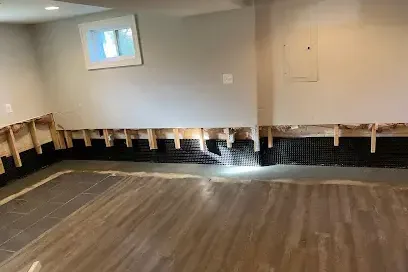 Basement Flooding Cleanup in Highland ParkFinished and unfinished basements pumped out, carpet and wall bottoms opened, the slab dried.Read the full rundown
Sewage Backup Cleanup in North BrunswickFloor drain and toilet backups treated as Category 3, porous materials out, surfaces disinfected.Read the full rundown
Water damage restoration in Highland ParkOpen the town page
It carries bacteria and viruses, so it is Category 3 from the first drop. Porous materials it touched come out, surfaces are cleaned and treated, and drying starts only after that.
The borough's water and sewer emergency contact takes the report, or borough police after regular hours. The restoration team handles the cleanup inside the building once the backup is stopped.
No. Carpet and pad that sewage touched are removed, because they cannot be made safe. Hard surfaces such as sealed concrete and tile can be cleaned and treated.
Usually only with a water backup endorsement on the policy. Without it, coverage may be limited or excluded, so read the policy and ask the insurer.
The crew runs HEPA air scrubbers and uses plastic containment so contaminated dust and spray stay in the work area. Others should stay out until it is cleared.
Cleaning and tear-out often take a day or two. Drying afterward takes a few more days, and readings decide the finish.
Sewage still coming up? Call (888) 471-9821.
The restoration team contains the rooms, removes what sewage touched, treats the surfaces and then dries the structure.