Rapid local response
Dispatch runs 24/7, and active water is treated as urgent on nights, weekends and holidays.
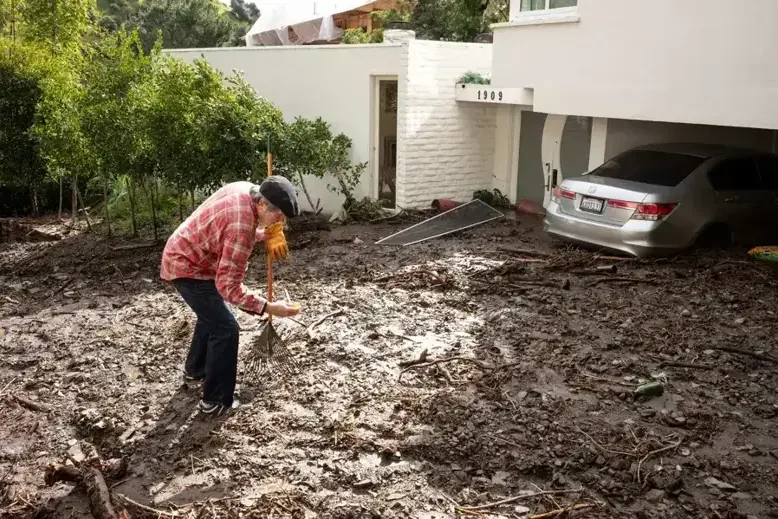
When the Raritan River or a brook overtops, the water brings silt and contamination with it. The response team pumps out, removes what the flood soaked and dries the structure under Category 3 rules.
(888) 471-9821Call about flood water nowFlood water can carry sewage and hide hazards, so everyone stays clear.
Shut off the breaker only if the panel is dry and safe to reach.
Standing flood water calls for pumps, not household vacuums.
Capture the high-water mark and damaged items before cleanup.
Independent restoration contractors do the work. This is how a proper job runs, so you know what to expect and what to ask for.
Dispatch runs 24/7, and active water is treated as urgent on nights, weekends and holidays.
The drying team maps moisture first, then dries the structure until the readings say dry.
Daily moisture readings and timestamped photos taken before demolition, the file an adjuster asks for.
Basements, sump pits, frozen pipes in cold snaps and heavy summer downpours are everyday calls here.
Flood costs track the depth, the area and the contamination. An unfinished lower level sits at the bottom, a finished one in the middle, and two flooded levels at the top.
Ranges are typical, not a quote: the water category, the wet square footage, the material class and how fast drying started move the number most. Run the water damage cost calculator for a closer planning range.
Gear goes on, then a staged pump-out.
Mud and soaked materials are removed.
Antimicrobial goes on every surface.
Desiccant and LGR units run with readings.
Flood water from a river or brook is never treated as clean. It carries silt, runoff and sewage, so the plan starts with protection, containment and removal rather than quick drying.
The Raritan River runs along the borough, with Middle Brook and Green Brook at its edges. News reports say the Raritan becomes susceptible to flooding here once it crests at 28 feet.
The record belongs to Hurricane Floyd in 1999, when the river reached 42.13 feet. Doria in 1971, a nor'easter in 2007 and Irene in 2011 brought water back, and after Ida in 2021 the Borough announced extra flood-related cleanup help.
Protective gear goes on first. Water is pumped out in stages, mud is shoveled and vacuumed, and porous materials the flood touched are cut out and bagged rather than saved.
Flooded lower levels follow the longer plan in basement flooding cleanup.
The Army Corps built levees, flood walls, floodgates and pumping stations in the borough between 1999 and 2015. Residents say they still worry whenever it rains, and the drying team stays ready for the next storm.
Floods leave a mark on walls. Photos of the high-water mark and the silt mark, taken before cleanup, show how deep the water stood.
Flood calls cover the whole borough, with the lowest ground in the southern part and downtown, along Main Street, East Main Street and the streets near the brooks.
The same service nearby: flash flood cleanup in North Brunswick, Manville, Highland Park.
Water damage restoration in Bound Brook · every town covered
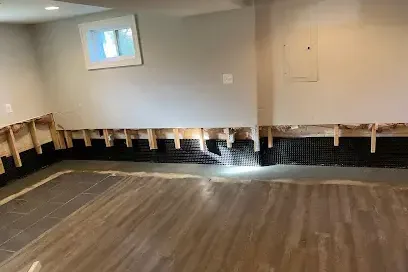 Basement Flooding Cleanup in Bound BrookFinished and unfinished basements pumped out, carpet and wall bottoms opened, the slab dried.Read the full rundown
Flash Flood Cleanup in North BrunswickRising water from cloudbursts and tropical remnants, handled as contaminated water from the start.Read the full rundown
Water damage restoration in Bound BrookOpen the town page
Rivers and brooks carry runoff, silt and sewage when they overtop, so flood water counts as Category 3 no matter how clear it looks.
Flood water that touched them is not treated as salvageable. Carpet, pad and wet drywall are removed, though hard materials can often be cleaned and kept.
The levees, flood walls and pumping stations were built between 1999 and 2015, but residents still watch the rain, and storms, sewers and pipes can still put water in buildings.
After removal and cleaning, desiccant and low-grain dehumidifiers pull moisture from framing and masonry, with daily readings deciding when equipment can leave.
News reports say the Raritan becomes susceptible to flooding here once it crests at 28 feet, so rising river reports are the cue to lift valuables and be ready to call.
Flood water inside? Call now, any hour. (888) 471-9821.
The response team pumps out, removes the silt and soaked materials, and dries the structure to standard.