Rapid local response
Dispatch runs 24/7, and active water is treated as urgent on nights, weekends and holidays.
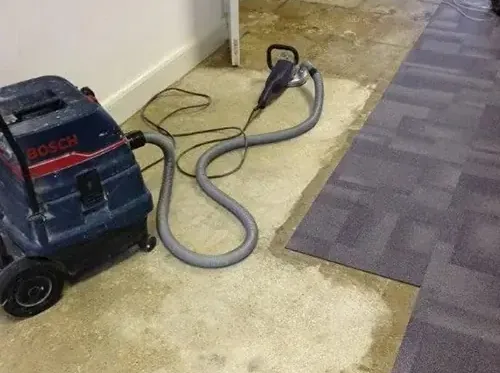
Truck-mounted extractors and submersible pumps clear standing water from floors, carpet and pad after river flooding, a split pipe or a stuck appliance, and the crew checks every surface with meters.
(888) 471-9821Pump out the wet floor, call nowStanding water can reach outlets and carry contamination, so the household waits until power is off.
Shut the valve on a split pipe or leaking appliance if it can be done safely.
Move small items, rugs and electronics onto higher dry surfaces.
Capture the water level and the damage before anything is discarded.
Independent restoration contractors do the work. This is how a proper job runs, so you know what to expect and what to ask for.
Dispatch runs 24/7, and active water is treated as urgent on nights, weekends and holidays.
The drying team maps moisture first, then dries the structure until the readings say dry.
Daily moisture readings and timestamped photos taken before demolition, the file an adjuster asks for.
Basements, sump pits, frozen pipes in cold snaps and heavy summer downpours are everyday calls here.
Extraction jobs follow the volume of water and the floor area it touched, from a room or two up to a flooded lower level, and the first moisture readings fix the written scope.
Ranges are typical, not a quote: the water category, the wet square footage, the material class and how fast drying started move the number most. Run the water damage cost calculator for a closer planning range.
Submersible pumps lower deep water in stages.
Truck-mounted wands pull water from floors and carpet.
Ruined padding is cut out and hauled away.
Meters set the plan for the drying stage.
Extraction is the first stage of work on any wet building, and it sets how long the drying will last. The extraction crew removes everything that can be pumped or pulled out before the first air mover is switched on.
Downtown sits on the natural flood plain of the Raritan River, and news reports described a river 12 feet deep running down Main Street after Hurricane Floyd. Water that deep leaves no room for improvising.
Each job starts with the same two questions: how much water is there, and was it clean?
Submersible pumps bring the depth down first. Truck-mounted units then pull water out of carpet and pad, and wands work the hard floors, grout and thresholds.
Pad that cannot be saved is cut out and hauled away, and the room moves on to structural drying.
Standing water is only part of the load. Moisture left in framing, subfloors and trim keeps evaporating for days, which is why the drying team sets equipment right after extraction rather than waiting for surfaces to look dry. A deeper flood in a lower level follows the steps in basement flooding cleanup.
Wet drywall and insulation can start growing mold in a day or two. Water removed early means less material to tear out and a shorter drying run.
Extraction crews work across the borough, from the low streets near downtown and Main Street to the area around East Second Street and the Hamilton Street corridor.
The same service nearby: water extraction and removal in North Brunswick, Manville, Highland Park.
Water damage restoration in Bound Brook · every town covered
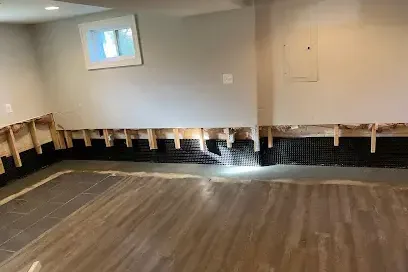 Basement Flooding Cleanup in Bound BrookFinished and unfinished basements pumped out, carpet and wall bottoms opened, the slab dried.Read the full rundown
Water Extraction and Removal in North BrunswickStanding water pulled out with truck-mounted units before it wicks into pad, drywall and framing.Read the full rundown
Water damage restoration in Bound BrookOpen the town page
Extraction removes liquid water with pumps and truck-mounted equipment. Drying pulls the moisture that stays behind in materials, using air movers and dehumidifiers.
Carpet soaked by clean water can often be extracted and dried in place. Carpet touched by flood water or sewage is removed, and the pad goes either way.
Submersible pumps handle flooded floors of any depth, then truck-mounted extraction takes over for the last film of water on the surface.
Flood water adds silt, contamination protocols and usually more floor area, so the job moves toward the higher ranges. A clean pipe leak stays toward the lower ones.
A floor can look dry while framing and subfloors stay wet. Readings after pump-out show where moisture remains and where the air movers go.
Small valuables, electronics and papers go onto dry surfaces. Heavy furniture is left for the crew, which blocks it up so legs do not stain wet carpet.
Water standing on the floor? Call now, any hour. (888) 471-9821.
The extraction crew brings truck-mounted units and submersible pumps, clears the water and records the first readings.