Rapid local response
Dispatch runs 24/7, and active water is treated as urgent on nights, weekends and holidays.
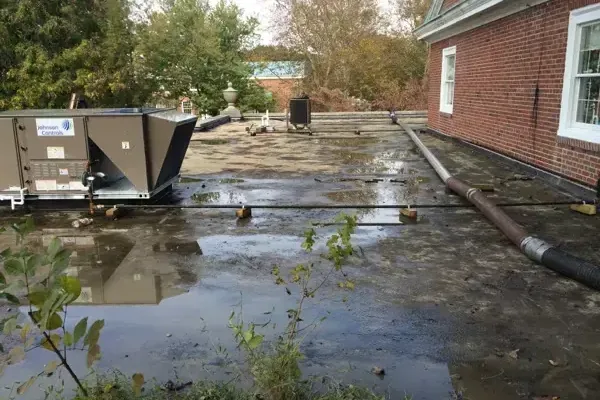
Rain and melting ice find their way through shingles, flashing and seams, then soak the attic, insulation and ceiling below. The mitigation team dries each layer in order and leaves roof repair to a roofer.
(888) 471-9821Call about water coming through the roofMove furniture and electronics out from under the stain and cover what cannot move.
Set out buckets and clear the wet area of belongings.
A tarp or repair stops new water while drying gets underway.
Record ceiling stains, attic insulation and the weather that caused the leak.
Independent restoration contractors do the work. This is how a proper job runs, so you know what to expect and what to ask for.
Dispatch runs 24/7, and active water is treated as urgent on nights, weekends and holidays.
The drying team maps moisture first, then dries the structure until the readings say dry.
Daily moisture readings and timestamped photos taken before demolition, the file an adjuster asks for.
Basements, sump pits, frozen pipes in cold snaps and heavy summer downpours are everyday calls here.
A leak caught as one wet ceiling area costs the least. Water that reached the attic insulation, a full room and the walls beside it costs more, and several rooms across two levels costs the most.
Ranges are typical, not a quote: the water category, the wet square footage, the material class and how fast drying started move the number most. Run the water damage cost calculator for a closer planning range.
The attic and ceiling are checked with a thermal camera.
Insulation and sagging drywall come out.
Air movers and dehumidifiers run on rafters and joists.
Readings clear the ceiling for closing.
A roof leak rarely shows up where the water gets in. It travels along rafters and across ceilings, so the stain on the drywall can sit well away from the damaged shingle.
Wind-driven rain, torn flashing and clogged gutters let water under the roofing. In winter, snow melts, refreezes at the eaves and backs meltwater up beneath the shingles.
Storm season in New Jersey brings both kinds of leak, and each calls for the same first step: protect the contents, then trace the water.
The crew checks the attic and the ceiling below with a thermal camera and probes, then removes insulation that is wet through and ceiling drywall that is sagging or stained.
A ceiling that has already stained or bulged follows the steps in ceiling leak water damage.
A roofer tarps or repairs the roof so the next rain does not undo the drying. The restoration team coordinates timing so the attic is dry before it is closed up, and the final stage is covered under structural drying.
An ice dam is a ridge of ice at the eave that traps meltwater behind it. The leak starts above the outside wall, and the damage often shows in a ceiling or exterior corner.
Roof and ice dam leaks show up across the borough, from houses and apartment buildings near downtown to those around Mountain Avenue, East Second Street and the streets along Route 28.
The same service nearby: roof leak and ice dam water damage in North Brunswick, Manville, Highland Park.
Water damage restoration in Bound Brook · every town covered
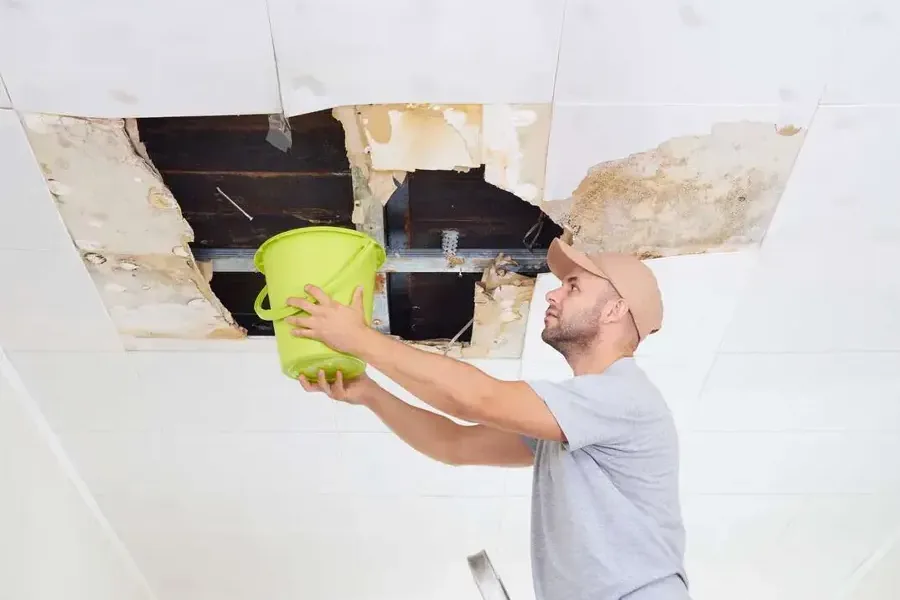 Ceiling Leak Water Damage in Bound BrookBathroom, supply and drain leaks from the floor above, with the drywall opened safely.Read the full rundown
Roof Leak and Ice Dam Water Damage in North BrunswickWind-driven rain and ice dams that soak attic insulation and ceilings, traced and dried.Read the full rundown
Water damage restoration in Bound BrookOpen the town page
Water runs along rafters, sheathing and ceilings before it drips. The visible stain can sit well away from the opening, so the crew follows the path with a thermal camera.
Usually yes. Wet insulation loses its value, holds moisture against framing and dries very slowly, so the crew removes it and dries the wood underneath.
A small, firm stain may dry in place. Sagging, bulging or heavily soaked drywall comes down, since it can collapse and hold moisture.
Snow melts on a warm roof, runs to the cold eave and refreezes into a ridge. Meltwater backs up behind it and pushes under the shingles.
A roofer repairs or covers the roof. The restoration team removes the wet materials and dries the structure, and the two jobs are timed together.
Ceiling leaking? Call now, any hour. (888) 471-9821.
The mitigation team traces the water from attic to ceiling, removes what is soaked and dries every layer with logged readings.