Rapid local response
Dispatch runs 24/7, and active water is treated as urgent on nights, weekends and holidays.
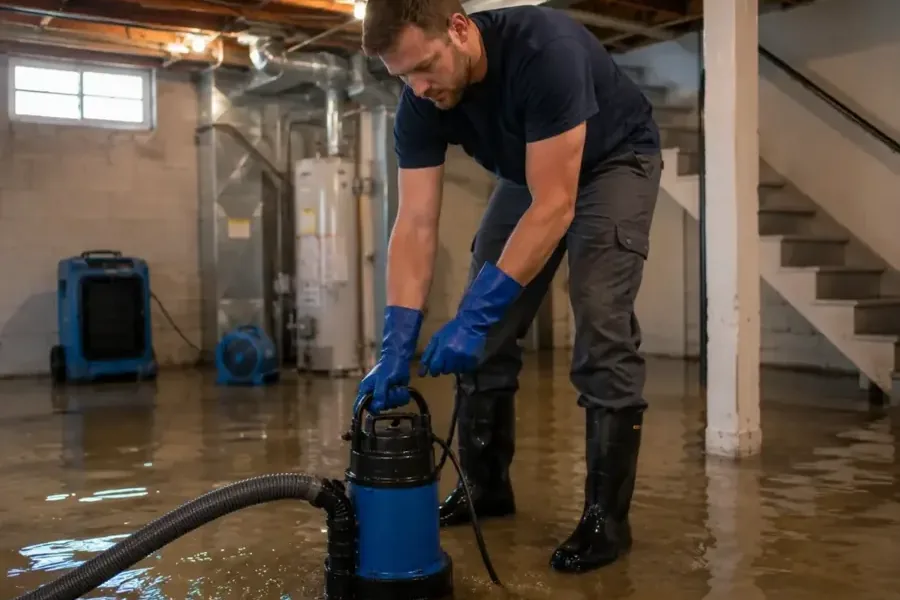
The pump-out crew drains flooded lower levels, hauls out soaked carpet and pad, and dries the slab and walls with logged readings, so rebuilding starts on structure that actually reads dry.
(888) 471-9821Call to drain a flooded lower levelStanding water can reach outlets and carry contamination, so the household waits outside the wet area.
Lift boxes, rugs and electronics to higher shelves or another floor.
Deep water needs submersible pumps, not buckets or a shop vacuum.
Record the high-water mark, damaged items and any failed pump or pipe before cleanup begins.
Independent restoration contractors do the work. This is how a proper job runs, so you know what to expect and what to ask for.
Dispatch runs 24/7, and active water is treated as urgent on nights, weekends and holidays.
The drying team maps moisture first, then dries the structure until the readings say dry.
Daily moisture readings and timestamped photos taken before demolition, the file an adjuster asks for.
Basements, sump pits, frozen pipes in cold snaps and heavy summer downpours are everyday calls here.
Lower-level jobs scale with how deep the water got, how much was finished and whether it was clean or contaminated. The first readings set the scope.
Ranges are typical, not a quote: the water category, the wet square footage, the material class and how fast drying started move the number most. Run the water damage cost calculator for a closer planning range.
Submersible pumps lower the water in stages.
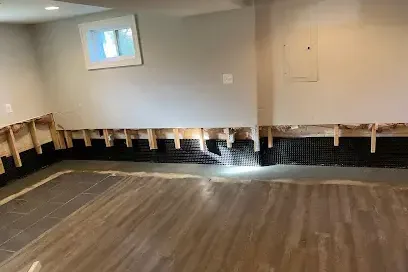
Carpet, pad and wet drywall come out.
Dehumidifiers pull moisture from slab and block.
Readings level out before rebuilding.
A flooded lower level holds water against concrete, framing and anything stored there, so the work follows a fixed order: drain it, strip what cannot dry, clean the surfaces and dry what remains.
The southern part of the borough, downtown included, is a natural flood plain of the Raritan River. The Borough's own engineering analysis also found the older sewer system compromised by age, with significant inflow and infiltration.
Which one sent the water decides whether it is clean, gray or contaminated, and that decides how much has to be removed.
Submersible pumps lower the water in stages so the walls are not stressed, then truck-mounted extraction takes the last inch off the floor. Carpet and pad go out, and drywall is cut above the wet mark.
Contaminated water changes the plan. Porous materials are removed, the area is contained, and the steps in sewage backup cleanup apply.
Daily readings on the slab, wall bottoms and trim show whether the drying is working. The drying team moves equipment as areas dry and reports each day's numbers, so the household and any adjuster can see the trend instead of guessing.
Photos of the high-water mark and each ruined item, taken before cleanup, make the written scope easier to support. The first stage is described under water extraction.
Crews work across the whole borough, including the low streets near downtown, the area around East Second Street and the stretch along Hamilton Street and Main Street.
The same service nearby: basement flooding cleanup in North Brunswick, Manville, Highland Park.
Water damage restoration in Bound Brook · every town covered
 Sump Pump Failure Cleanup in Bound BrookOverflowing pits, dead pumps and power-outage backups extracted and dried before the walls wick.Read the full rundown
Basement Flooding Cleanup in North BrunswickFinished and unfinished basements pumped out, carpet and wall bottoms opened, the slab dried.Read the full rundown
Water damage restoration in Bound BrookOpen the town page
Flood water can carry sewage, silt and chemicals, and it can hide live outlets. The crew treats it as contaminated, wears protective gear and removes porous materials instead of drying them.
Carpet soaked by clean water can sometimes be dried in place. Carpet and pad touched by flood water or sewage are removed and discarded.
Unfinished spaces sit at the low end of the ranges, partly finished rooms in the middle, and fully finished or contaminated floods at the top, depending on depth and materials.
The drying team takes readings on the slab, wall bottoms and trim each day, and equipment stays until those numbers reach the dry target for each material.
Heavy rain can overload an aging sewer, and the Borough's analysis found significant inflow and infiltration. Water that rises through drains is treated as sewage.
The cleanup is the same, with extra attention at the pit. The pump itself is a plumber's or electrician's repair, covered in sump pump failure cleanup.
Water in the lower level? Call now, any hour. (888) 471-9821.
The extraction crew brings pumps, truck-mounted equipment and drying gear sized for the flood, then maps every wet surface.