Rapid local response
Dispatch runs 24/7, and active water is treated as urgent on nights, weekends and holidays.
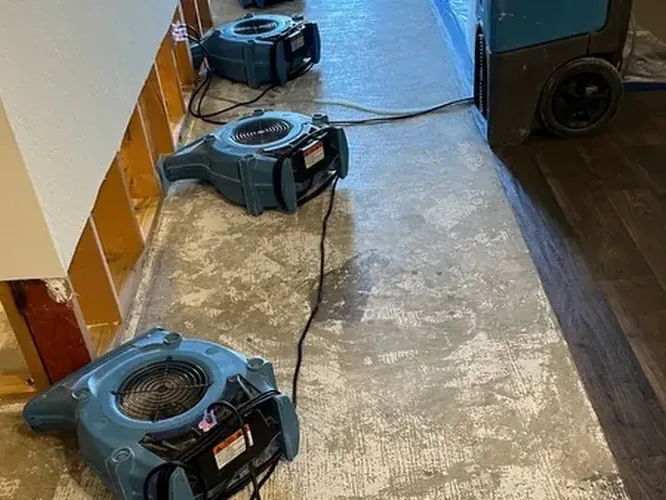
After the standing water is gone, the structure is still wet. LGR dehumidifiers, air movers and floor mats pull moisture from framing, subfloors and concrete, and the drying team adjusts the equipment daily as readings show progress toward dry.
(888) 471-9821Call about drying equipmentMeters and infrared find every wet area, including hidden ones.
Materials and spread set the equipment plan for the job.
Dehumidifiers and air movers go where readings are highest.
Readings each day decide when to move or remove units.
Independent restoration contractors do the work. This is how a proper job runs, so you know what to expect and what to ask for.
Dispatch runs 24/7, and active water is treated as urgent on nights, weekends and holidays.
The drying team maps moisture first, then dries the structure until the readings say dry.
Daily moisture readings and timestamped photos taken before demolition, the file an adjuster asks for.
Basements, sump pits, frozen pipes in cold snaps and heavy summer downpours are everyday calls here.
Structural drying runs $1,000 to $8,000 or more, based on the water class, how many rooms are wet and whether dense materials like slab and block need desiccant dehumidifiers.
Ranges are typical, not a quote: the water category, the wet square footage, the material class and how fast drying started move the number most. Run the water damage cost calculator for a closer planning range.
Meters, humidity and temperature are logged first.
Dehumidifiers and air movers go in place.
Readings are taken and equipment adjusted.
Units leave only when materials read dry.
Drying is where most of the real work in a water job happens. Pumping removes liquid water, but wood, concrete and drywall keep moisture inside them, and only controlled air and dehumidification pull it out.
The team measures temperature, humidity and moisture content, then picks equipment for the size and class of the loss. Class 1 and 2 losses involve limited wet material, Class 3 water comes from above or soaks walls, and Class 4 involves dense materials such as slab, block and hardwood.
Equipment is repositioned as readings change, because a layout that works on day one rarely suits day three. A river flood job pairs this with flash flood cleanup.
After a river flood like Ida, wet walls, floors and framing take time to give up their water, and in a borough where the median home was built around 1956, layered finishes can hide moisture. Structural drying with equipment is what gets those materials truly dry.
Daily readings on drywall, wood and concrete are compared with dry reference points, and equipment leaves only when they match. The logs show the adjuster and the rebuild contractor that the structure is ready.
Fans move air but do not remove water vapor, so rooms feel dry while framing stays wet. Dehumidifiers and measurement make the difference. What comes first is covered in water extraction.
Drying equipment goes into homes, two-family houses and businesses across the borough, including Lost Valley after river flooding and Main Street businesses after a pipe or roof failure.
The same service nearby: structural drying and dehumidification in North Brunswick, Bound Brook, New Brunswick.
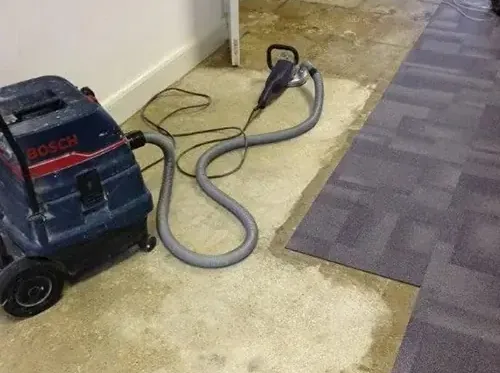 Water Extraction and Removal in ManvilleStanding water pulled out with truck-mounted units before it wicks into pad, drywall and framing.Read the full rundown
Structural Drying and Dehumidification in North BrunswickFraming, subfloor, block walls and slab dried to within 2 to 4 points of a dry reference.Read the full rundown
Water damage restoration in ManvilleOpen the town page
Most jobs run several days, and slab or heavy framing can take longer. Daily readings, not a fixed number of days, decide when the equipment can leave.
Fans move air but do not remove vapor. LGR dehumidifiers condense the moisture that air movers lift out of materials, which is what actually lowers the readings.
Often yes, though noise and warm dry air make it uncomfortable. Contaminated losses or open walls may make staying elsewhere the better choice.
Class 3 involves a large amount of water from above that soaks walls and ceilings. Class 4 involves dense materials such as concrete and hardwood that hold moisture deeply.
No. Small openings or injection can dry a cavity in place when readings allow it, and larger cuts are saved for insulation or drywall that cannot recover.
Wet walls and floors? Call any hour. (888) 471-9821.
The drying team brings LGR dehumidifiers, air movers and meters, then logs readings each day until every wet material reaches its dry goal. Call to plan the setup.