Rapid local response
Dispatch runs 24/7, and active water is treated as urgent on nights, weekends and holidays.
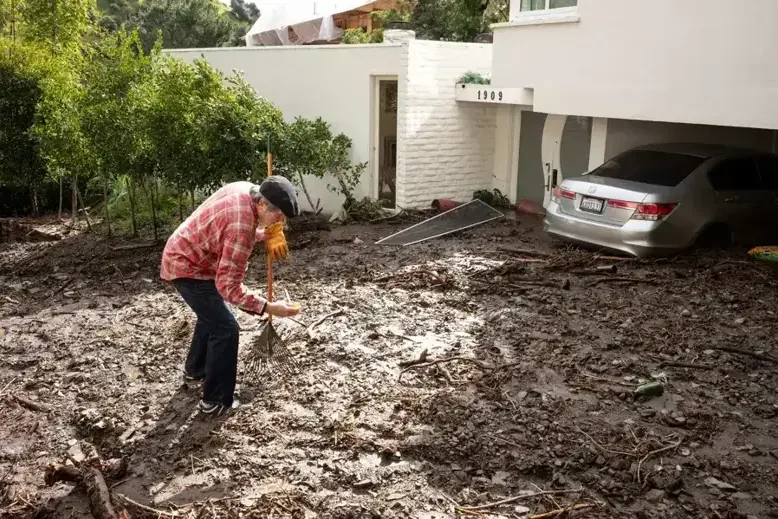
When heavy rain sends water into a lower level or against the foundation, the crew pumps out flood water, hauls out mud and soaked finishes and dries what remains.
(888) 471-9821Call for flood cleanup nowFlood water hides debris, contamination and live circuits.
Cut the main breaker from a dry spot and do not use wet outlets.
Capture the high-water mark, damaged contents and the surrounding yard.
Pumps and protective gear go to the deep-water stage.
Independent restoration contractors do the work. This is how a proper job runs, so you know what to expect and what to ask for.
Dispatch runs 24/7, and active water is treated as urgent on nights, weekends and holidays.
The drying team maps moisture first, then dries the structure until the readings say dry.
Daily moisture readings and timestamped photos taken before demolition, the file an adjuster asks for.
Basements, sump pits, frozen pipes in cold snaps and heavy summer downpours are everyday calls here.
Flash flood cleanup typically runs $5,000 to $30,000 or more, depending on whether the water reached an unfinished basement, a finished lower level or the main floor as well. Flood water is always treated as contaminated.
Ranges are typical, not a quote: the water category, the wet square footage, the material class and how fast drying started move the number most. Run the water damage cost calculator for a closer planning range.
Water is lowered in stages.
Silt, debris and soaked contents leave the building.
Surfaces get sanitized before drying.
Dehumidifiers run until readings level.
Flash flood water arrives carrying silt, debris and whatever it crossed, so cleanup is closer to decontamination than to drying. Everything that touched it is cleaned or removed, then the structure is dried.
The Raritan River gauge set a record crest of 27.66 feet on September 2, 2021, after about 10 inches of rain from the remnants of Ida. The 27.1 foot crest in 1999, during Hurricane Floyd, is the one the borough's flood document calls the worst flooding event to ever hit town.
Some areas had at least 5.5 feet of floodwater during Ida, so plans assume deep water can reach lower levels.
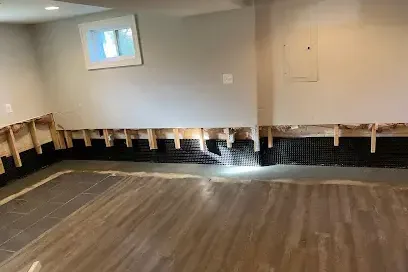
The extraction crew pumps down water in stages, shovels out mud and removes carpet, pad and wet drywall. Floors, studs and remaining surfaces are cleaned and treated, then dehumidifiers, air movers and desiccant units dry the structure until readings level off.
The state's buyout program has left empty lots in town, and about 2,000 residents live in the state's risk reduction area between the two rivers. For homes that stay, structural drying and clear records come first.
When rivers rise, drains can back up too, and the mixed water is treated as sewage. See sewage backup cleanup for that protocol.
Flood calls come from Lost Valley and the streets near the two rivers, along Main Street and from any section where runoff or river water reaches a lower level.
The same service nearby: flash flood cleanup in North Brunswick, Bound Brook, New Brunswick.
 Basement Flooding Cleanup in ManvilleFinished and unfinished basements pumped out, carpet and wall bottoms opened, the slab dried.Read the full rundown
Flash Flood Cleanup in North BrunswickRising water from cloudbursts and tropical remnants, handled as contaminated water from the start.Read the full rundown
Water damage restoration in ManvilleOpen the town page
No. It carries silt, debris and possible sewage, so gloves, boots and protective gear are used, and children and pets should stay out until the cleanup is done.
The Raritan gauge reached a record 27.66 feet in 2021, and at 17 feet street flooding increases and Main Street floods, so deep water is a real planning case.
Carpet, pad and insulation that soaked in flood water are removed. Drywall is cut above the high-water mark, and framing is cleaned and dried before anything is rebuilt.
Coverage depends on the policy and the cause, and flood damage is often handled separately from leak damage. Photos and readings give the adjuster what is needed.
Several days is typical, longer for slabs and framing that took deep water. Readings, not a calendar, decide when equipment can leave.
Flood water inside? Call any hour. (888) 471-9821.
Pumps, protective gear and drying equipment go to work on deep water and mud. Call and a plan takes shape.