Rapid local response
Dispatch runs 24/7, and active water is treated as urgent on nights, weekends and holidays.
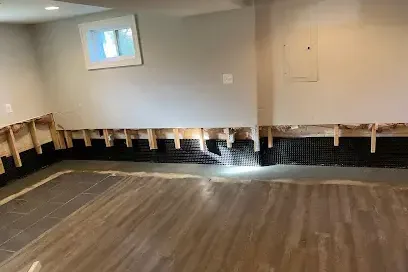
Basement water from a rising river, a failed pump or seepage gets pumped out, stripped of soaked finishes and dried down to the slab, with readings logged until the space meets the dry standard.
(888) 471-9821Call for basement pump-out nowStanding water can hide live outlets, so power is shut off from a dry spot.
The crew pumps out the depth, then removes wet carpet and pad.
Dehumidifiers and air movers run on slab, studs and wall bottoms.
Pictures of the high-water mark and ruined items go to the claim file.
Independent restoration contractors do the work. This is how a proper job runs, so you know what to expect and what to ask for.
Dispatch runs 24/7, and active water is treated as urgent on nights, weekends and holidays.
The drying team maps moisture first, then dries the structure until the readings say dry.
Daily moisture readings and timestamped photos taken before demolition, the file an adjuster asks for.
Basements, sump pits, frozen pipes in cold snaps and heavy summer downpours are everyday calls here.
Basement jobs run from $3,000 to $15,000 or more, rising with the amount of finished space and whether the water was clean, gray or contaminated by flooding.
Ranges are typical, not a quote: the water category, the wet square footage, the material class and how fast drying started move the number most. Run the water damage cost calculator for a closer planning range.
Water is lowered in controlled stages.
Wet carpet, pad and low drywall come out.
Surfaces get cleaned before drying begins.
Equipment runs until readings level off.
A flooded basement is rarely just a wet floor. Water soaks carpet, pad, drywall and framing, then keeps rising or seeping until pumps catch up, and the longer it sits the more has to come out.
The work follows a fixed order so nothing is missed.
Cutting drywall a few inches above the visible stain is common, because moisture wicks upward and wall cavities hold it unseen.
The Raritan River gauge reached a record 27.66 feet on September 2, 2021, and some areas reported at least 5.5 feet of floodwater during Ida. Water that deep is treated as contaminated, so porous finishes come out rather than being dried.
Water from a failed pit pump follows the same order, with extra detail in sump pump failure cleanup.
The borough's permit rules ask for confirmation that a property is not in a flood zone before a basement project, and Uniform Construction Code permits may then be required. Restoration records and dry readings give contractors a clean starting point for any rebuild.
Do not close new drywall or flooring over a slab that has not been checked. Moisture readings confirm the concrete and framing are dry, and structural drying covers that stage.
Basement work covers every section of the borough, including Lost Valley and the streets near the Raritan and Millstone Rivers, where river flooding is a regular concern.
The same service nearby: basement flooding cleanup in North Brunswick, Bound Brook, New Brunswick.
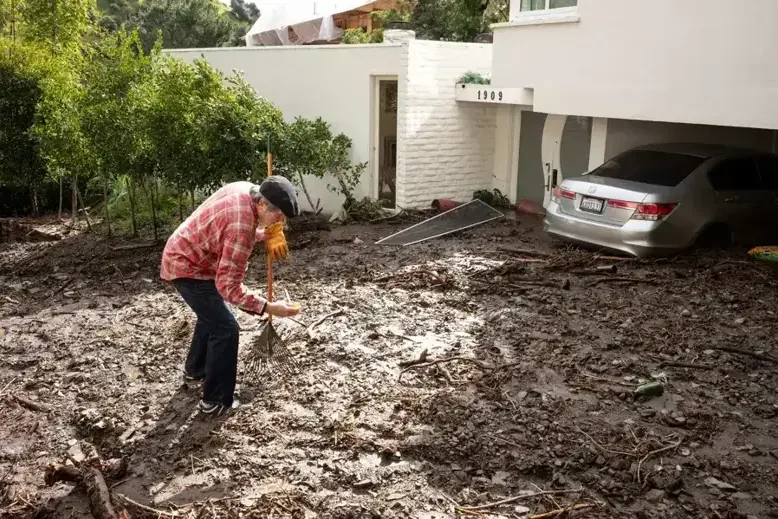 Flash Flood Cleanup in ManvilleRising water from cloudbursts and tropical remnants, handled as contaminated water from the start.Read the full rundown
Basement Flooding Cleanup in North BrunswickFinished and unfinished basements pumped out, carpet and wall bottoms opened, the slab dried.Read the full rundown
Water damage restoration in ManvilleOpen the town page
Pumping can start as soon as the source is stopped and power is safe, and the sooner it begins the less drywall, pad and framing absorb.
Not until readings confirm the slab, studs and framing are dry. Closing walls over damp materials traps moisture, so rebuild waits for the final log.
Yes. River or storm water is contaminated, so protective gear, cleaning and removal of porous finishes apply, while a clean supply leak can often be dried in place.
The borough asks for confirmation that the property is not in a flood zone before a basement project, and Uniform Construction Code permits may be needed. Code Enforcement can confirm what applies.
After flooding, in most cases yes. Lifting carpet and pad and cutting drywall above the stain is standard, and clean-water leaks sometimes allow more to be saved.
Dated photos, moisture logs, equipment notes and a list of discarded items. The restoration team keeps these as the work moves so the adjuster sees each stage.
Basement under water? Call any hour. (888) 471-9821.
Pumps, extractors and LGR dehumidifiers go to work on the slab and walls once the call comes in. Call to get a plan started.